

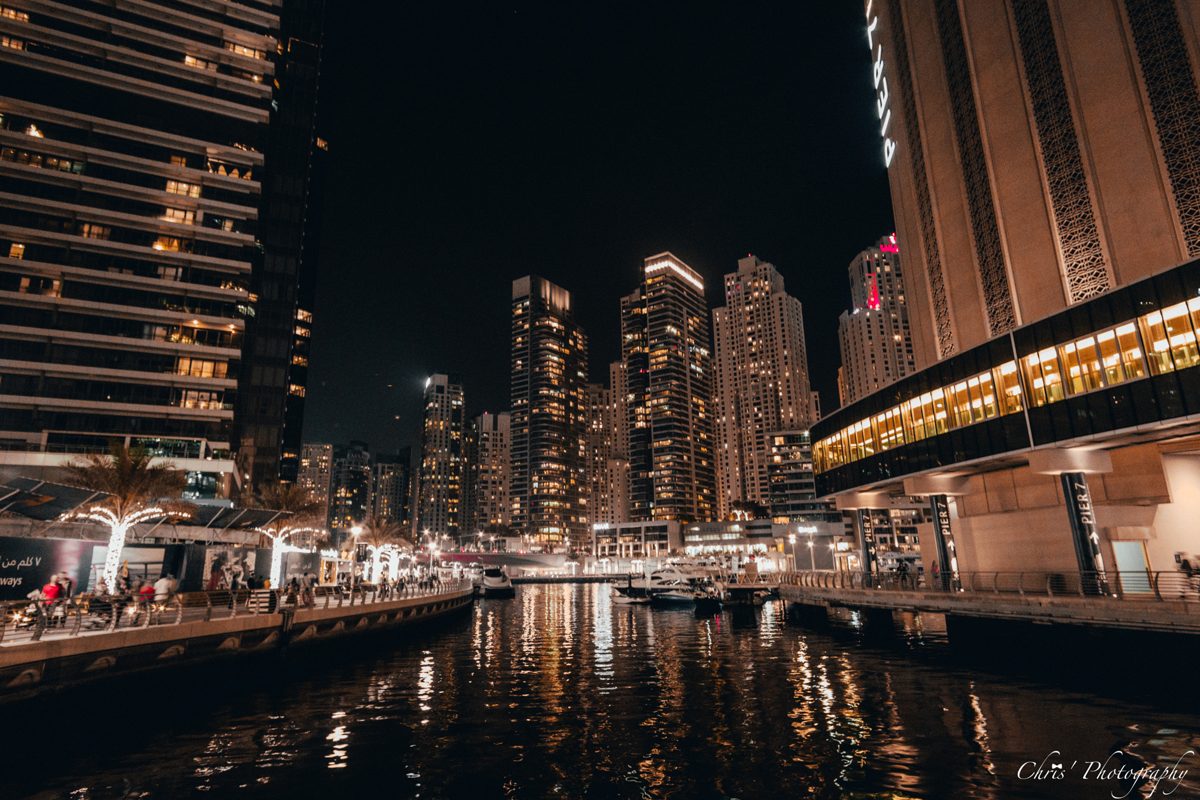

Dubai has a reputation for emptying wallets, and it can — if you let it. But the city is also full of travellers having a great time on sensible budgets, because the best-value options are hiding in plain sight: a world-class metro, genuinely free attractions, neighbourhoods where locals eat for a tenth of the Marina price, and beaches that cost nothing at all. These are the money-saving moves that actually make a difference, not the generic “travel off-season” advice.
Ride the Metro Everywhere — Skip the Taxis

Transport is where most visitors bleed money without noticing. A taxi from the airport to the Marina can cost AED 80–100; the metro does the same trip for under AED 10. The Red Line runs the length of the city from Rashidiya to Jebel Ali, stopping at the airport, Deira, BurJuman, Downtown/Burj Khalifa, Business Bay, Mall of the Emirates, and the Marina. Buy a Nol card at any station (AED 25 with credit included) and tap in and out.
The metro runs roughly 5am to midnight (later on weekends), trains come every few minutes, and the Gold Class cabin is worth the small premium at rush hour. For places the metro does not reach — the Palm, parts of JBR — the tram and buses fill the gaps on the same card. Taxis still have their place (late nights, groups of three or four splitting the fare), but making the metro your default will save hundreds over a week. Our Dubai Metro guide and cheapest ways to get around cover fares and routes; official timetables are on rta.ae.
Build Your Days Around the Free Stuff
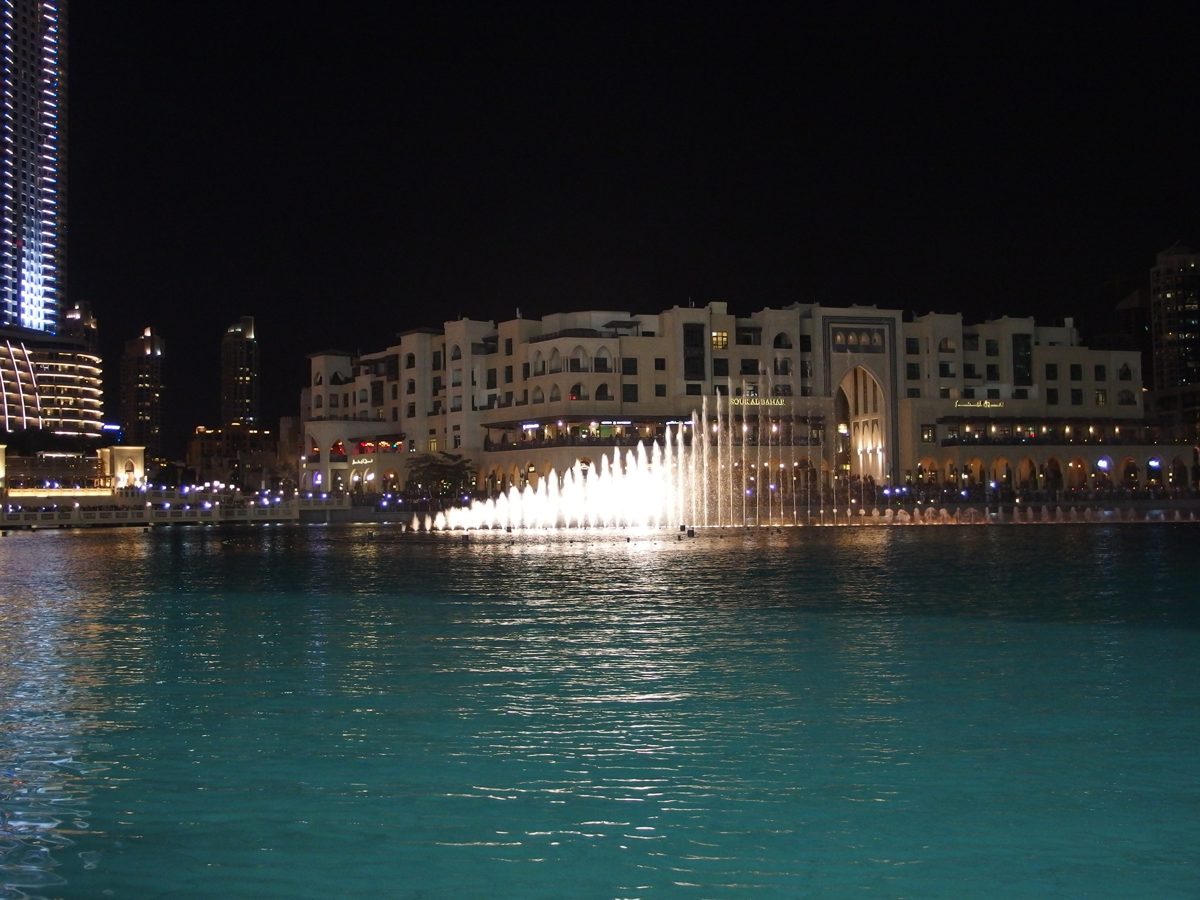
Dubai’s best experiences include a surprising number of free ones. The Dubai Fountain shows, the Marina Promenade walk, Al Fahidi Historical Neighbourhood, the Gold and Spice Souks, and the Dubai Creek waterfront all cost nothing. The free Alserkal Avenue galleries in Al Quoz are excellent on a hot afternoon. You can easily fill two or three days without paying a single attraction fee.
The trick is sequencing: pair a paid morning (Burj Khalifa, a waterpark) with a free afternoon and evening, rather than stacking paid attractions back to back. And check visitdubai.com before you go — the city runs free festivals, fireworks, and beach events through the year. Our free things to do in Dubai guide lists over 30 of them.
Shop and Eat Where the Locals Do
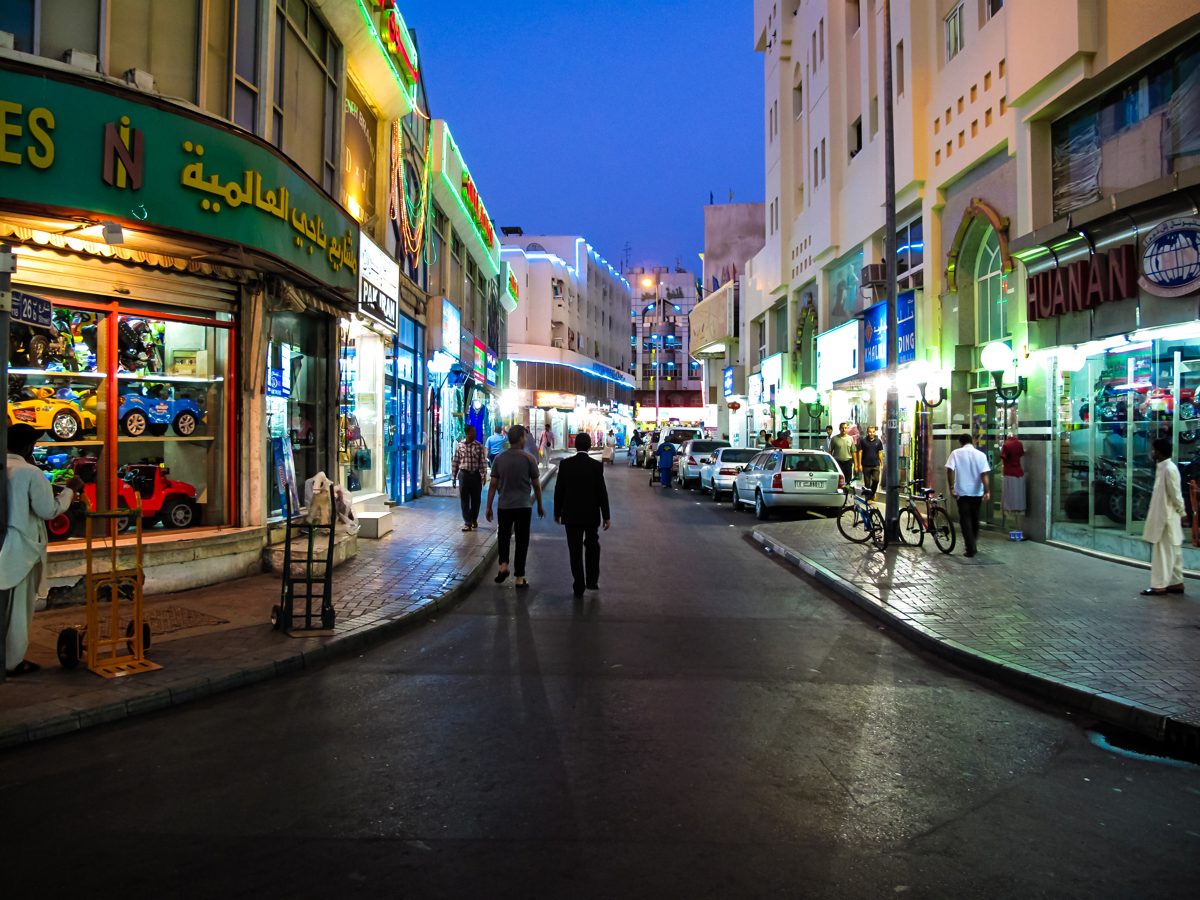
The price difference between tourist zones and local neighbourhoods is staggering. A shawarma that costs AED 35 in the Marina costs AED 8–12 in Deira or Bur Dubai — and the Deira one is usually better. The same goes for groceries, pharmacies, phone accessories, and souvenirs. Spend an evening wandering the streets around Naif or Al Rigga and you will eat and shop for a fraction of mall prices.
For souvenirs specifically, skip the airport and hotel gift shops entirely. The Spice Souk and the shops of Deira sell the same dates, oud, and pashminas at local prices — bargain to around half the asking price and walk away once if needed. Our Dubai shopping guide maps out where to buy what, and our cheap eats guide lists the best budget restaurants by area.
Eat One Big Cheap Meal a Day
Food is the second-biggest budget leak after transport. The fix is simple: make one meal a day the cheap-and-excellent one. Dubai’s cafeteria culture — the small, no-frills restaurants in Deira, Bur Dubai, Karama, and Satwa — serves enormous, genuinely delicious meals for AED 15–30. Pakistani, Indian, Filipino, and Iranian cafeterias are the backbone of how this city actually eats.
Save your restaurant budget for one or two proper dinners in the week rather than mediocre mid-range meals every night. Hotel breakfasts are rarely worth the price — a karak chai and a paratha from a cafeteria costs AED 5 and tastes better. And if your accommodation has a kitchen, even a small one, a supermarket run for breakfasts and snacks pays for itself in two days. See our Dubai food guide for where to eat across budgets.
Take the 1-Dirham Abra Instead of a Cruise
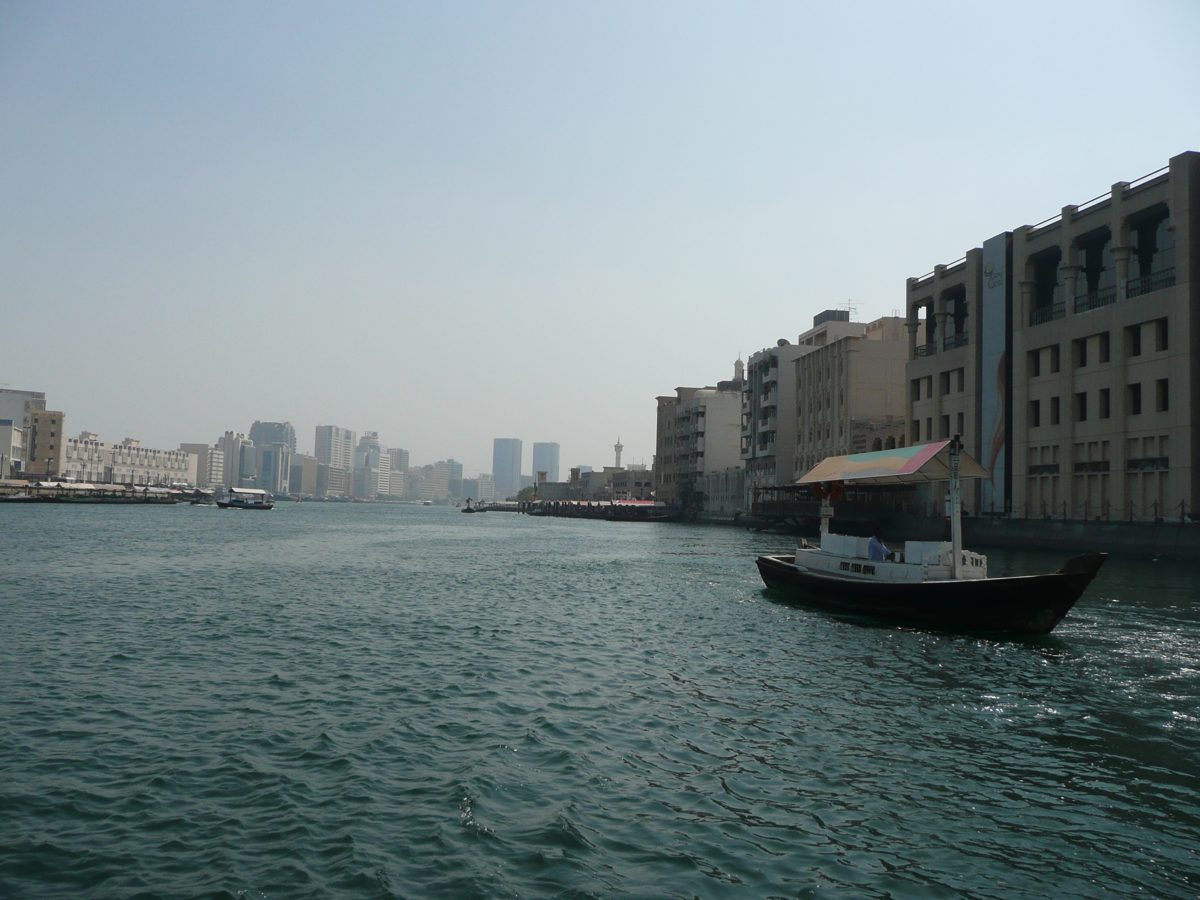
The dhow dinner cruises are lovely, but they start around AED 75–100 per person. The humble abra — the same wooden boats, the same Creek, the same sunset — costs 1 dirham and takes five minutes each way. Ride it at golden hour from Deira to Bur Dubai and back, and you will have one of the most atmospheric experiences in the city for less than the price of a bottle of water.
Apply the same thinking elsewhere: the Dubai Ferry (from AED 50) gives you skyline views from the water for a fraction of a yacht charter, and the public beaches below have the same sea as the beach clubs. Paid experiences are worth it sometimes — just make sure each one earns its place. Our dhow cruise guide helps you pick when a cruise is actually worth booking.
Spend Your Beach Days at Free Beaches
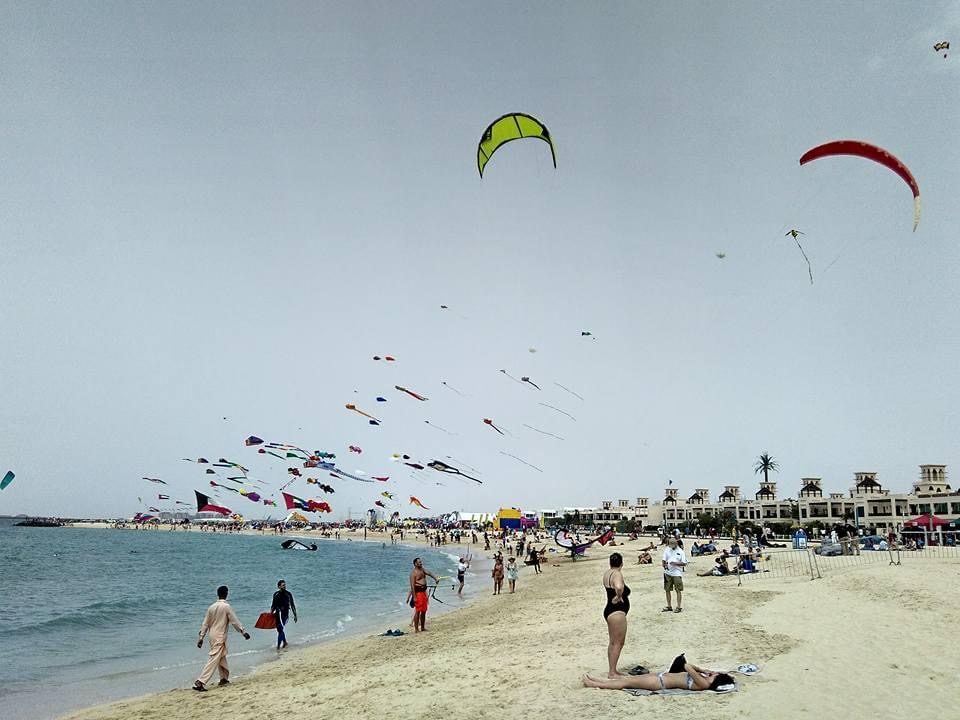
Dubai’s beach clubs charge AED 200–500 for a sunbed, but the public beaches — Kite Beach, JBR (the public stretch), Al Mamzar, and La Mer’s public areas — are free, clean, and have the same water and sand. Kite Beach even has a running track, food trucks, and showers. Bring a towel, buy a cheap beach mat from a supermarket, and you have a full beach day for the price of lunch.
A few practical notes: swim only in designated areas (flags and lifeguards), respect local dress norms away from the water, and Fridays and public holidays are the busiest days. If you want one beach-club day for the experience, go on a weekday when some clubs offer discounted packages. For a realistic sense of what a week here costs in total, our Dubai trip cost breakdown and Dubai on a budget itinerary put it all together.
Frequently Asked Questions
Is Dubai expensive for tourists?
It can be, but it does not have to be. A budget traveller can manage on AED 300–500 a day excluding accommodation by using the metro, eating at cafeterias, and leaning on free attractions. Luxury is available at every turn, but it is opt-in.
What is the cheapest way to get around Dubai?
The metro with a Nol card, by a wide margin. Most single trips cost AED 4–8. Buses and the tram use the same card. Taxis are fine for late nights or groups splitting the fare.
Are there really free things to do in Dubai?
Yes — the Dubai Fountain, Marina walk, Al Fahidi, the souks, Alserkal Avenue galleries, and all public beaches are free. You can fill several days without paying attraction fees.
How can I save money on food in Dubai?
Eat at local cafeterias in Deira, Bur Dubai, Karama, or Satwa (AED 15–30 for a full meal), skip hotel breakfasts, and save restaurant spending for one or two special dinners.
When is the cheapest time to visit Dubai?
Summer (June–September) has the lowest hotel prices — often 30–50% below winter rates. It is very hot, so plan indoor activities for midday. Shoulder months (April–May, October) balance price and weather.
0 Comment