
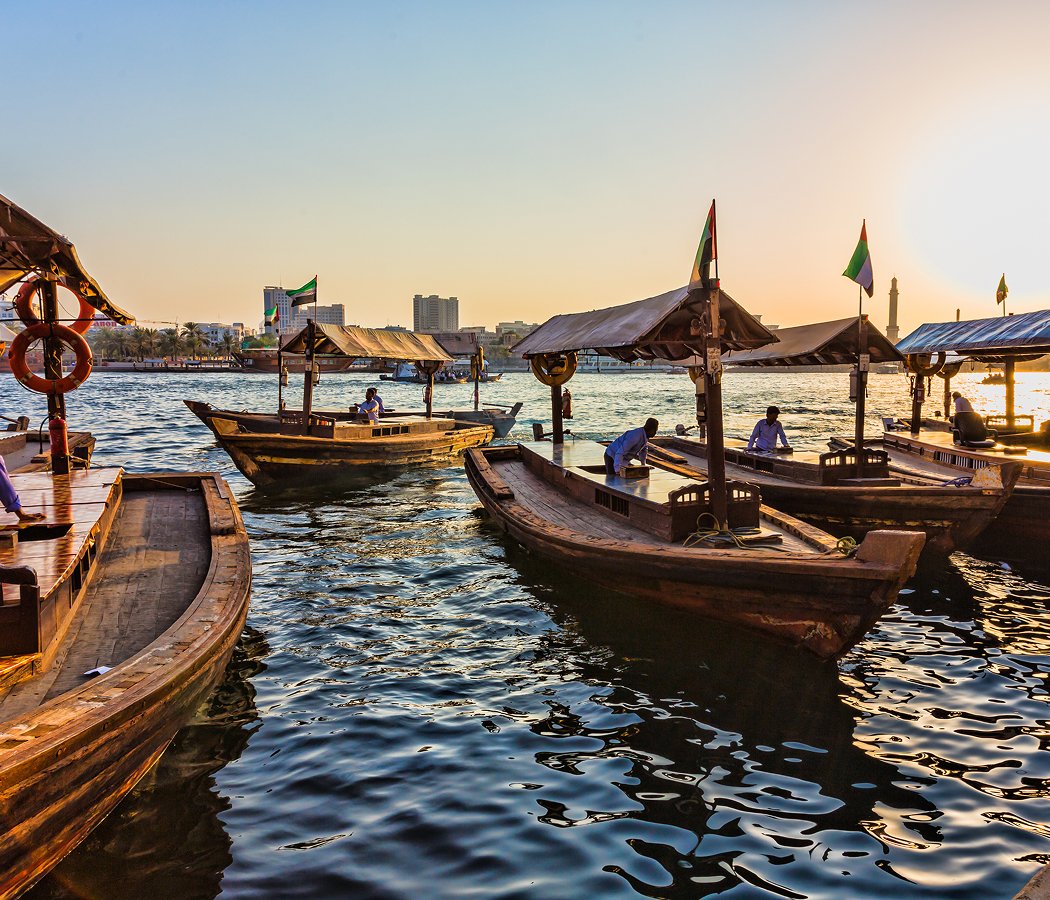

Dubai has a reputation for emptying wallets — gold-plated everything, supercars idling outside malls, hotel brunches that cost more than a flight. And sure, you can absolutely spend AED 5,000 in a weekend here if you try. But here’s the thing nobody tells you: the city’s best days cost almost nothing. The creek crossing everyone photographs? AED 1. The beach with the postcard view? Free. The meal locals queue for? Under AED 25.
This is a practical, day-by-day plan for three full days in Dubai on AED 600 total — around AED 200 a day. That covers transport, food, and activities. It does not cover your hotel or flights, because those swing wildly depending on where you book. Everything here is priced in dirhams as of 2026, and where prices shift, I’ve said so. For a bigger-picture look at what trips here cost, check our Dubai trip cost breakdown.
The AED 600 Game Plan: What the Budget Actually Covers
First, the honest maths. AED 600 over three days means roughly AED 200 per day. Here’s how a typical day breaks down:
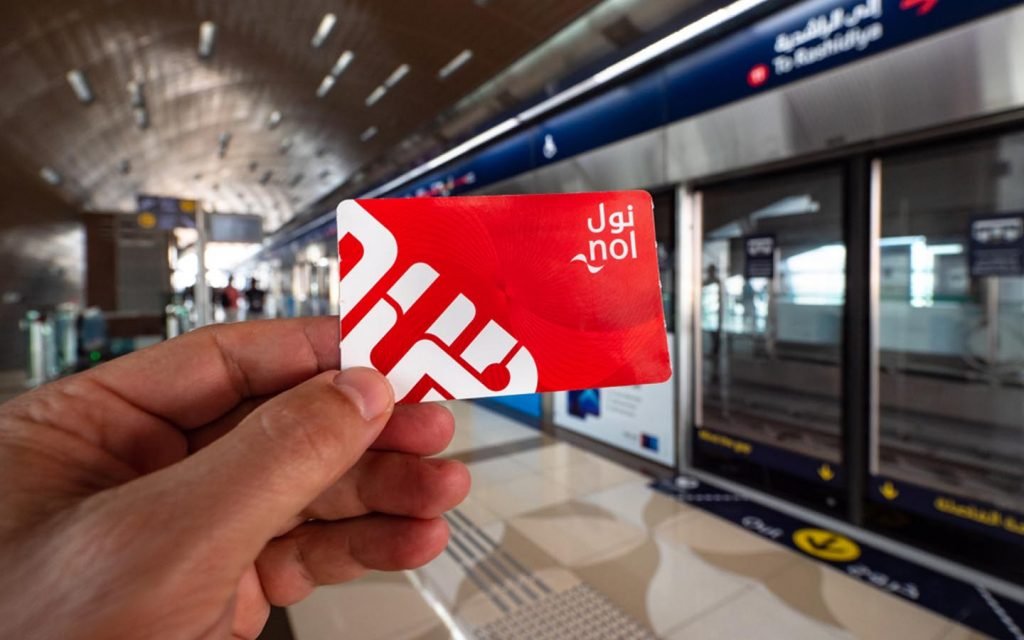
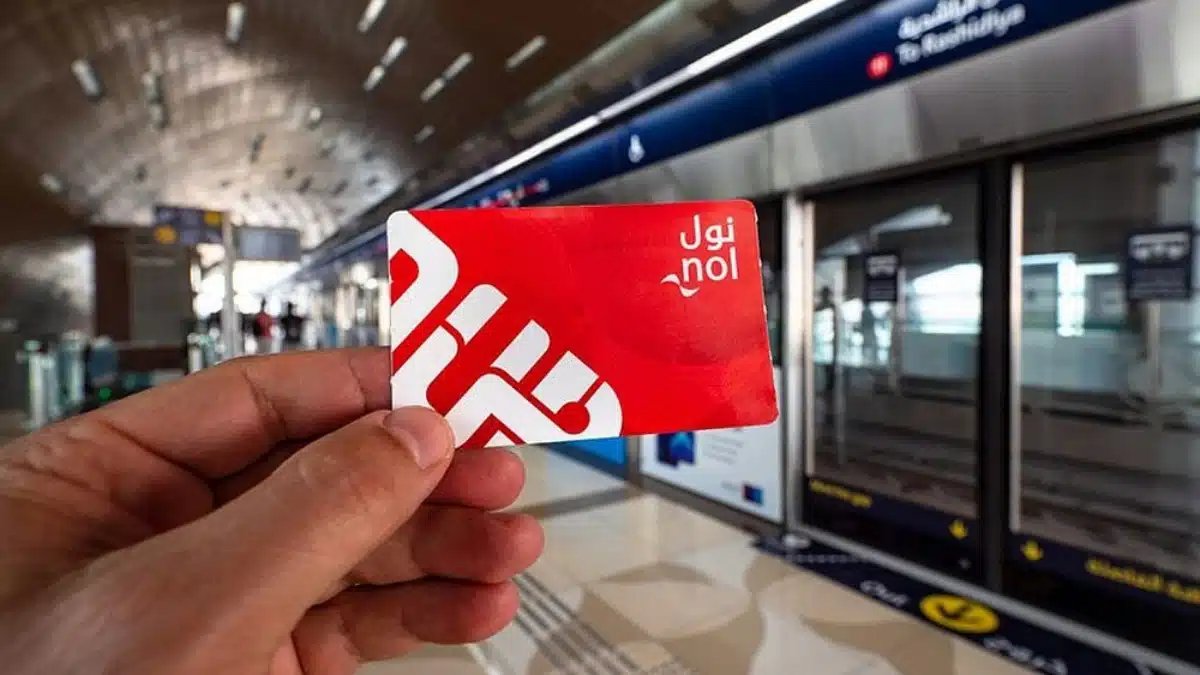
- Transport: ~AED 20. A Silver Nol card costs about AED 25 at any metro station (it comes with credit loaded). After that, metro trips run AED 3–7.50 depending on zones, buses are AED 3–5, and the abra across the creek is AED 1. If you’re riding a lot in one day, the 1-day Red Ticket travel pass (about AED 20) gives unlimited metro, bus and tram travel until midnight. Our Nol card guide walks through which card to buy — official fares are on rta.ae.
- Food: ~AED 70. Karak chai (AED 1–2), a shawarma or falafel wrap for lunch (AED 8–15), and a proper sit-down dinner at a Pakistani, Indian or Filipino cafeteria (AED 20–35). Add a fresh juice and you’re still under 70.
- Activities: ~AED 90–100. Most of what you’ll do is free — beaches, souks, the marina walk, the fountain show. That leaves room for one or two paid things per day, like a museum (AED 15–25) or a dhow cruise (AED 50–75). See our free things to do in Dubai for the full list of AED 0 options.
- Buffer: ~AED 10–20. Water, a top-up, a snack you didn’t plan for.
Two rules make or break this budget. Rule one: the metro is your taxi. A single taxi ride across town can eat AED 40–60 — two of those and your daily budget is gone. Rule two: eat where the workers eat. The cafeterias of Deira, Satwa and Karama feed the city for a fraction of mall prices, and the food is usually better.
Day 1 — Old Dubai: Souks, an Abra Ride & Street Food
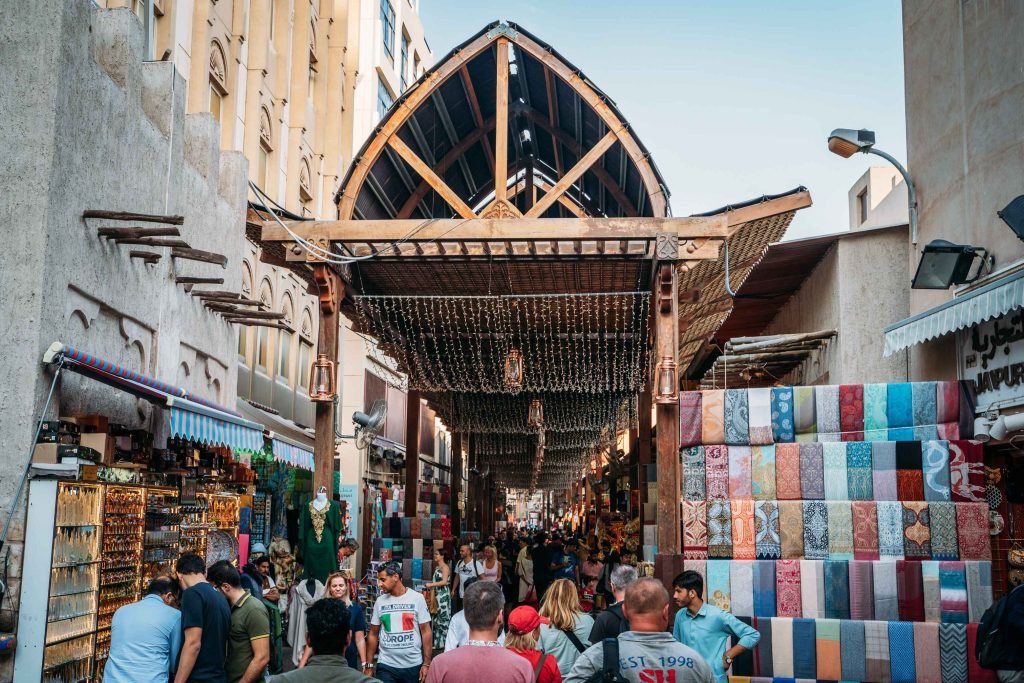
Old Dubai is where your dirhams stretch furthest, so start here. Take the metro to Al Ras or Baniyas Square on the Green Line (about AED 3–5 from most places).
Morning: the souks of Deira
Walk to the Gold Souk — you don’t need to buy anything; window-shopping at hundreds of glittering shopfronts is free and genuinely fun. Next door, the Spice Souk hits you with saffron, dried limes, frankincense and oud. Vendors will offer tastings. Say yes to the dates, haggle politely if you buy, and walk away smiling if you don’t. Budget so far: AED 0.
Midday: cross the creek for AED 1
Walk to the Deira Old Souk abra station and hop on a wooden abra across Dubai Creek to Bur Dubai. It’s the best AED 1 you’ll spend in the city — five minutes of wind, water and skyline, exactly as it’s been done for decades. On the Bur Dubai side, wander the Al Fahidi Historical Neighbourhood: coral-stone houses, wind towers, art galleries and courtyards, all free to explore. The Coffee Museum here is small, charming and costs around AED 10–15 including a tasting.
Evening: street food in Al Rigga or Naif
Head back across (or metro to Al Rigga on the Red Line) and eat where Deira eats. A chicken shawarma plate with fries and garlic sauce runs AED 12–18 at most cafeterias; a karak is AED 1–2. Try a fresh sugarcane or mango juice (AED 8–12) from a juice stall.
Day 1 total: roughly AED 45–70. You’re well under budget and you’ve already done the most “Dubai” thing in Dubai.
Day 2 — Modern Dubai: Beach, Marina & Fountains for Free
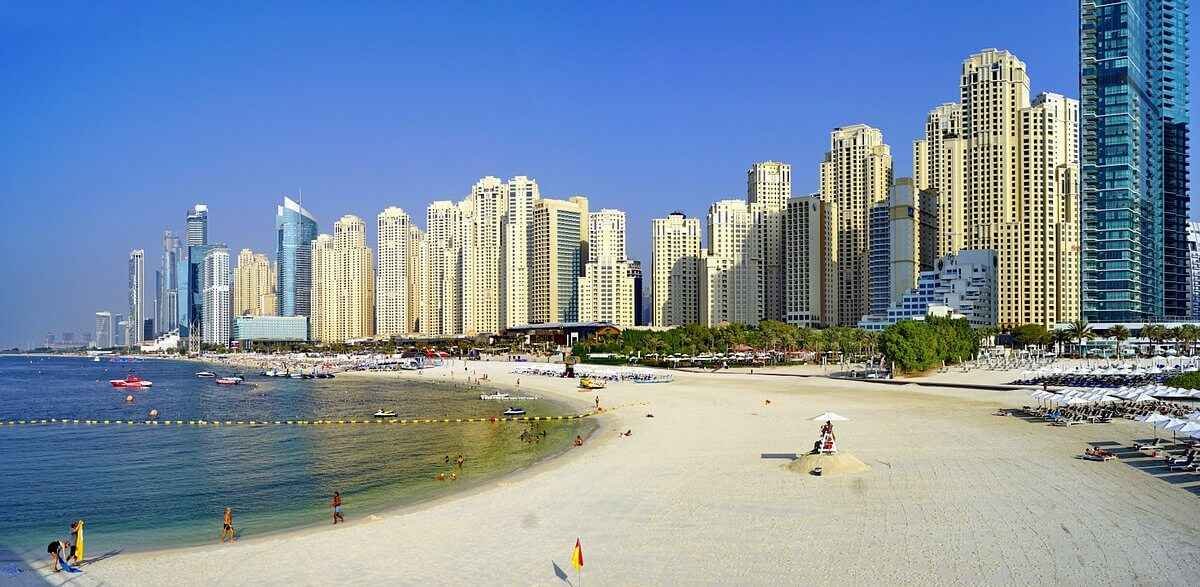
Day two is the glossy Dubai — the one from the postcards — and almost all of it is free. Metro to Sobha Realty or DMCC on the Red Line, then the tram to JBR (tram is AED 3 on your Nol card).
Morning: JBR beach
The public beach at JBR (The Walk) costs nothing. Bring a towel, swim, and walk the promenade. There are free outdoor gyms and plenty of benches with a view. If you want shade, Kite Beach further down the coast is equally free and a bit more local.
Afternoon: Dubai Marina walk
Walk the 7 km Marina promenade — yachts, towers, joggers, zero entry fee. Stop at the Marina Mall food court for lunch if you’re hungry (a meal deal runs AED 25–35), or grab a shawarma from a side-street cafeteria on your way (AED 10–14).
Evening: Dubai Mall & the fountains
Metro to Burj Khalifa/Dubai Mall station (AED 5–7.50). Inside the mall, the Dubai Aquarium viewing panel in the mall itself is free, the waterfall atrium is free, and wandering is free. At 6 pm the Dubai Fountain shows start — every 30 minutes, completely free, best viewed from the waterfront promenade or the bridge to Souk Al Bahar. Dinner: the mall food court (AED 25–40) or walk to Souk Al Bahar for the view and eat at a mid-range spot if your budget allows.
Day 2 total: roughly AED 60–90. If you skipped the paid aquarium tunnel (AED 100+), you did the entire modern-Dubai circuit for the price of lunch.
Day 3 — Culture, the Creek & One Good Splurge
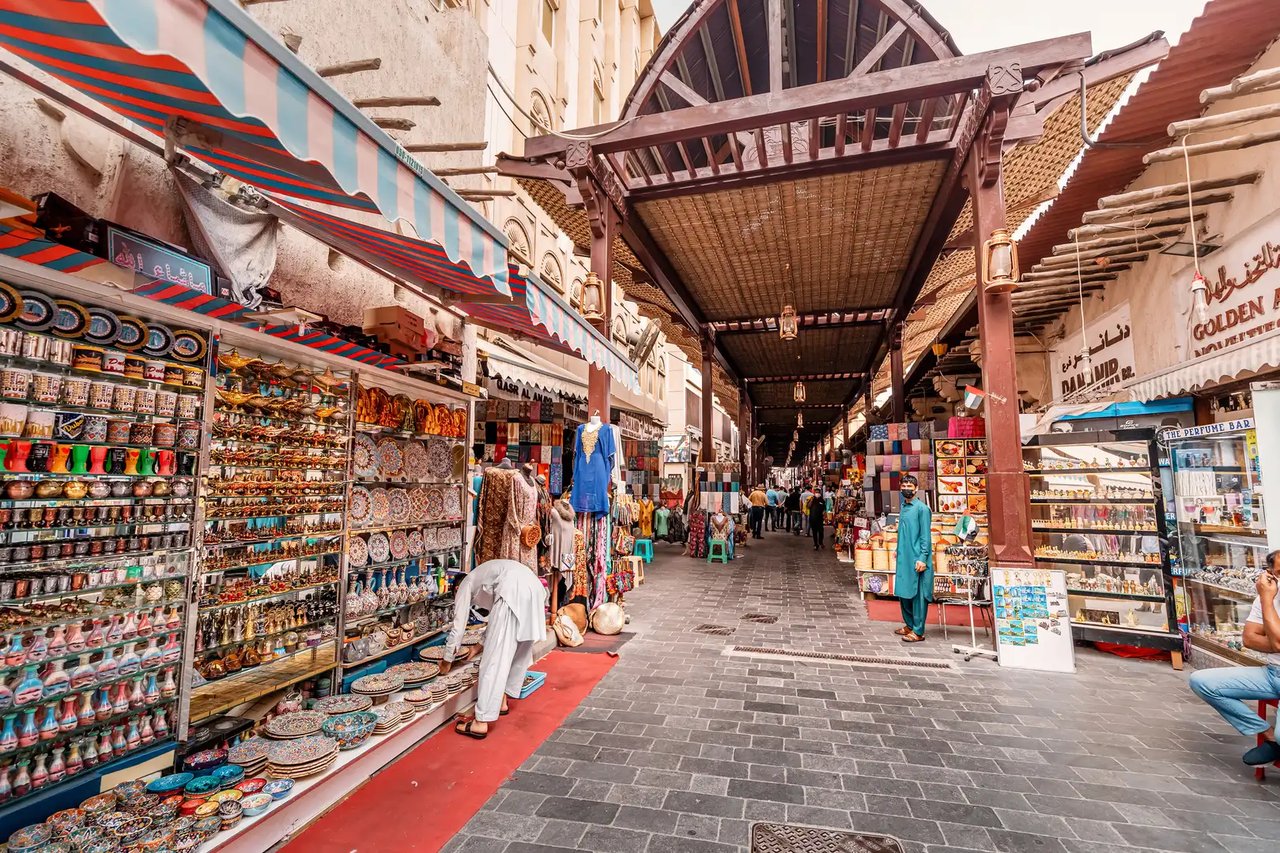
Day three mixes culture with your one planned splurge. Metro to Al Fahidi (Sharaf DG station) or take the abra again — by now it’s basically your commute.
Morning: museums & Al Seef
Pick one: the Etihad Museum (around AED 25, excellent UAE history) or the Dubai Museum area in Al Fahidi Fort. Then walk along Al Seef, the creekside promenade where old-style architecture meets modern cafés. It’s made for slow walking and costs nothing.
Afternoon: your splurge
Here’s where AED 50–75 of your budget goes on something memorable. Best budget splurges in Dubai:
- A marina or creek dhow cruise (AED 50–75 for a 1–2 hour evening cruise with dinner — book ahead). Our dhow cruise guide compares the options.
- At the Top, Burj Khalifa — honestly too pricey for this budget (AED 150+), so skip it and take the free view from the fountain promenade instead.
- Global Village (entry around AED 25–30, seasonal Oct–Apr) — pavilions from 90+ countries and cheap street food from everywhere.
Evening: farewell dinner in Karama
End the trip in Al Karama, one of Dubai’s best budget food neighbourhoods. A filling South Indian thali or Pakistani mixed grill runs AED 20–35. Walk it off browsing Karama’s famously cheap shops.
Day 3 total: roughly AED 100–130 including the splurge. Three-day total lands around AED 400–500 — comfortably under 600, with room for the souvenirs you swore you wouldn’t buy.
5 Habits That Keep You Under AED 600

- Drink karak, not café lattes. A karak from a cafeteria is AED 1–2 and it’s the city’s actual national drink. A mall coffee is AED 18–25. You do the maths.
- Carry a water bottle. Dubai’s tap water is safe but tastes chlorinated; refill at mall water stations or buy a 1.5L bottle from a grocery (AED 2–3) instead of paying AED 5+ for small bottles at attractions.
- Eat one “nice” meal a day, max. Two cafeteria meals + one proper dinner keeps food under AED 70 easily. Three restaurant meals will blow the budget by day two.
- Walk the last kilometre. Dubai’s metro stations are spaced for cars, not pedestrians — but the walk from station to attraction is often pleasant (Marina, JBR, Al Seef) and saves the AED 12 minimum taxi fare each time.
- Check visitdubai.com before you go. The official site lists free events, seasonal festivals and beach access updates. Winter (Nov–Mar) is also when Global Village and outdoor events run — more free fun per dirham.
For the full breakdown of what everything costs — taxis, SIM cards, attraction tickets — our Dubai trip cost guide has the numbers.
Frequently Asked Questions
Is AED 600 really enough for 3 days in Dubai?
Yes — for transport, food and activities, if you use the metro, eat at cafeterias, and lean on the city’s many free attractions. It excludes accommodation and flights, which are the real budget-killers. A hostel bed or budget hotel in Deira or Bur Dubai can add AED 80–150 per night.
What’s the cheapest way to get around Dubai?
The metro + a Nol card, full stop. Trips cost AED 3–7.50 by zone, and a 1-day unlimited travel pass is about AED 20. Buses fill the gaps the metro misses, and the abra across the creek is AED 1. Taxis start at AED 12 and climb fast — use them only when the metro doesn’t reach.
Can I do this itinerary in summer?
You can, but adjust: do outdoor things (beach, souks, marina walk) early morning or after sunset, and spend midday in malls and museums. Summer hotel rates drop significantly, which actually helps the overall trip budget — just drink far more water than you think you need.
What should I skip on a tight budget?
At the Top (Burj Khalifa) at AED 150+, desert safaris at AED 150–300, and any “VIP” anything. The fountain show, the beaches, the souks and the marina walk give you 80% of the Dubai experience for free. Save the safari for a trip with a bigger budget.
Do I need cash, or do cards work everywhere?
Cards work almost everywhere, including the metro (via Nol) and most cafeterias. But keep AED 50–100 in small notes for abras, karak stalls, souk haggling and tips. Our currency and payments guide covers the details.
0 Comment