

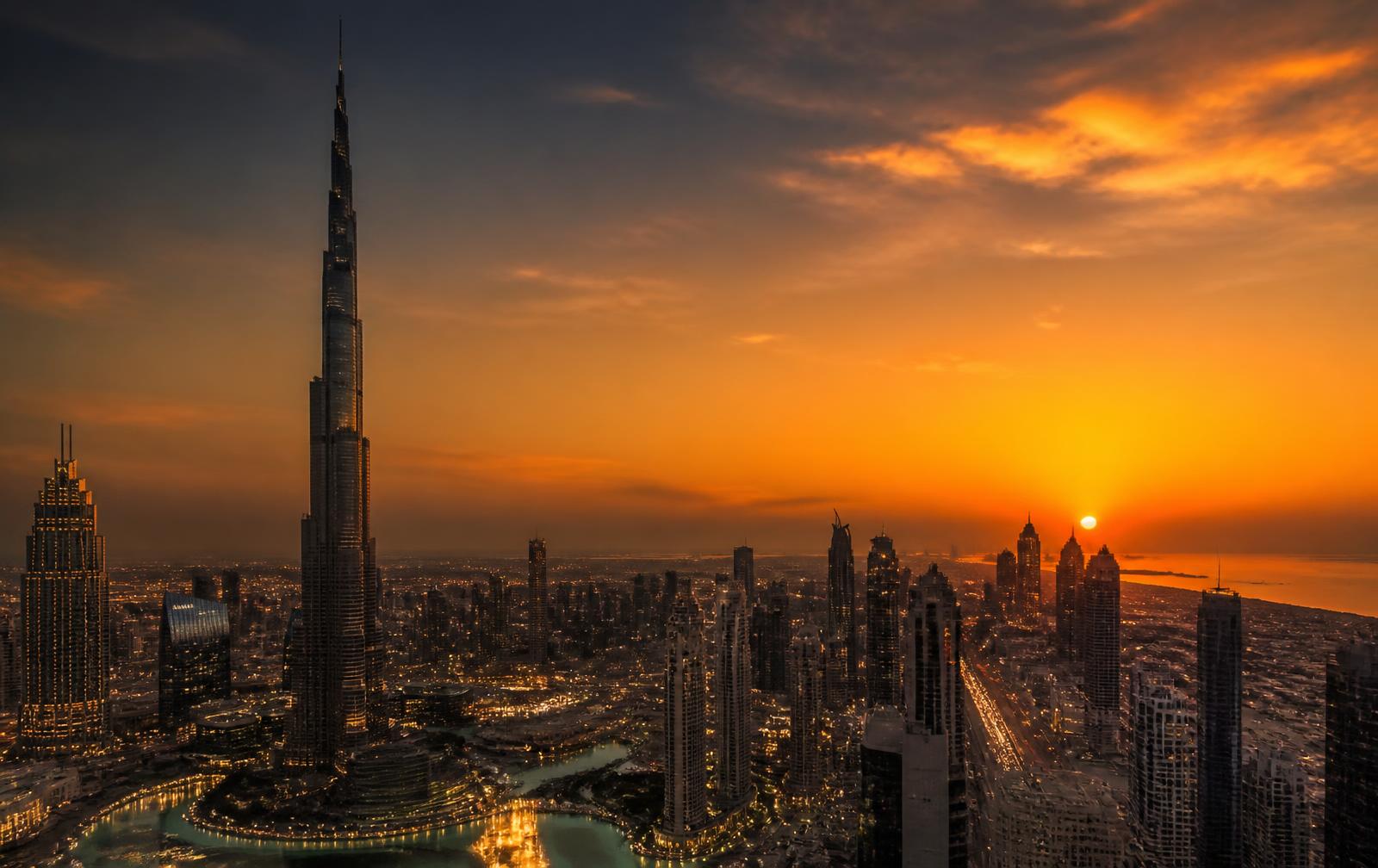

Dubai offers different experiences depending on how you choose to explore it. You can spend three days visiting iconic landmarks, enjoying world-class attractions and capturing impressive photos. Or you can discover another side of the city through its historic neighbourhoods, traditional markets, local food and cultural experiences.
Neither approach is better than the other. They simply offer two different ways to experience Dubai.
This guide compares two three-day itineraries: one for visitors who want to see the city’s famous attractions, and another for travellers interested in exploring its heritage and local character. We will also look at the estimated cost of each experience and who it suits best.
Why Dubai Attracts Different Types of Travellers
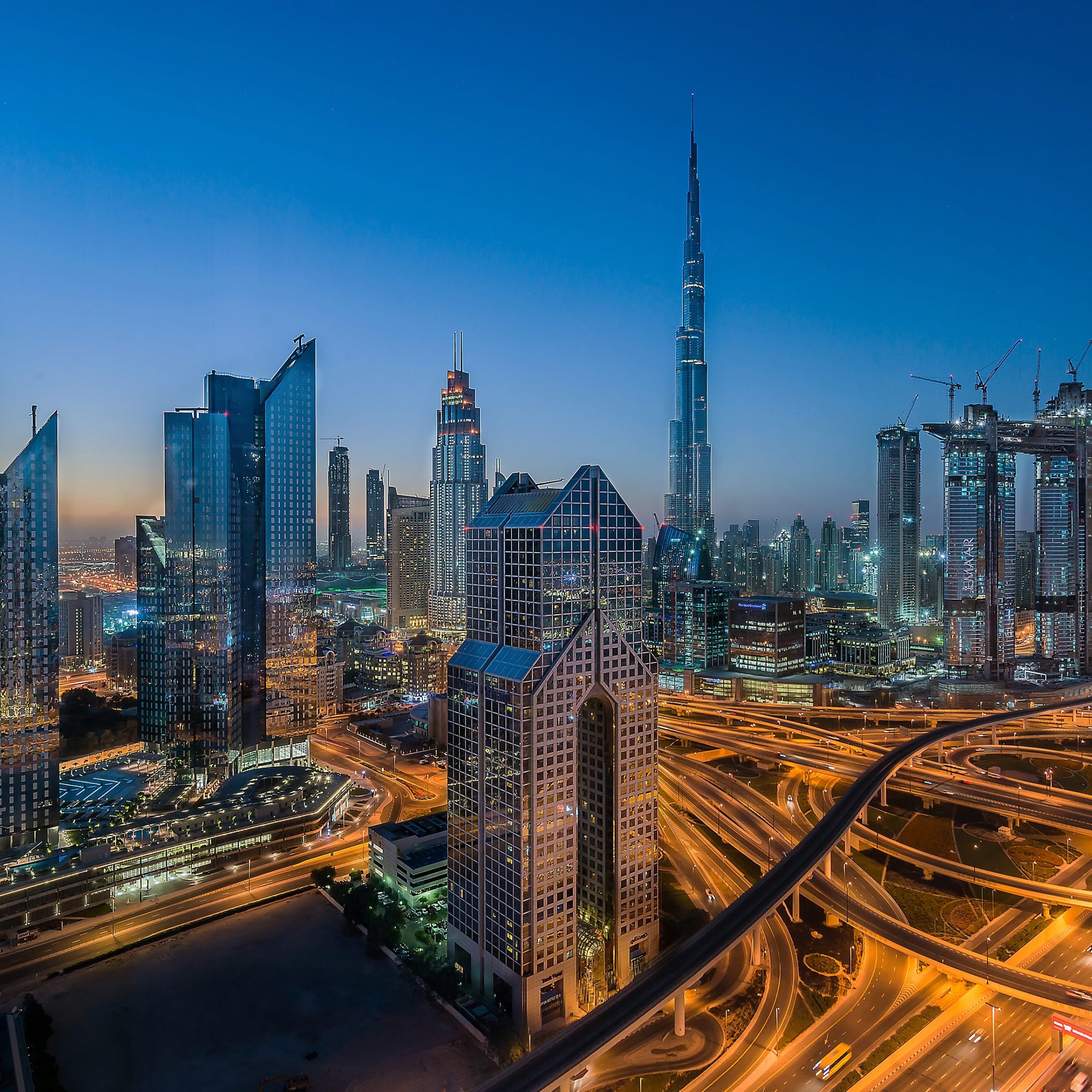
Dubai has become one of the world’s leading tourism destinations thanks to its impressive skyline, luxury hotels, shopping malls and entertainment attractions. Its winter season is especially popular with visitors from colder countries looking for warm weather and outdoor activities.
But there is more to Dubai than modern architecture and luxury experiences. The city also has a rich trading history, traditional neighbourhoods, Emirati customs and a multicultural population shaped by generations of international trade and migration.
Some visitors come for the famous landmarks and entertainment. Others want to understand how the city developed and discover the places that reveal its cultural identity.
Here are two ways to spend three days in Dubai.
Experience One: The Dubai Tourist – Three Days of Attractions and Entertainment
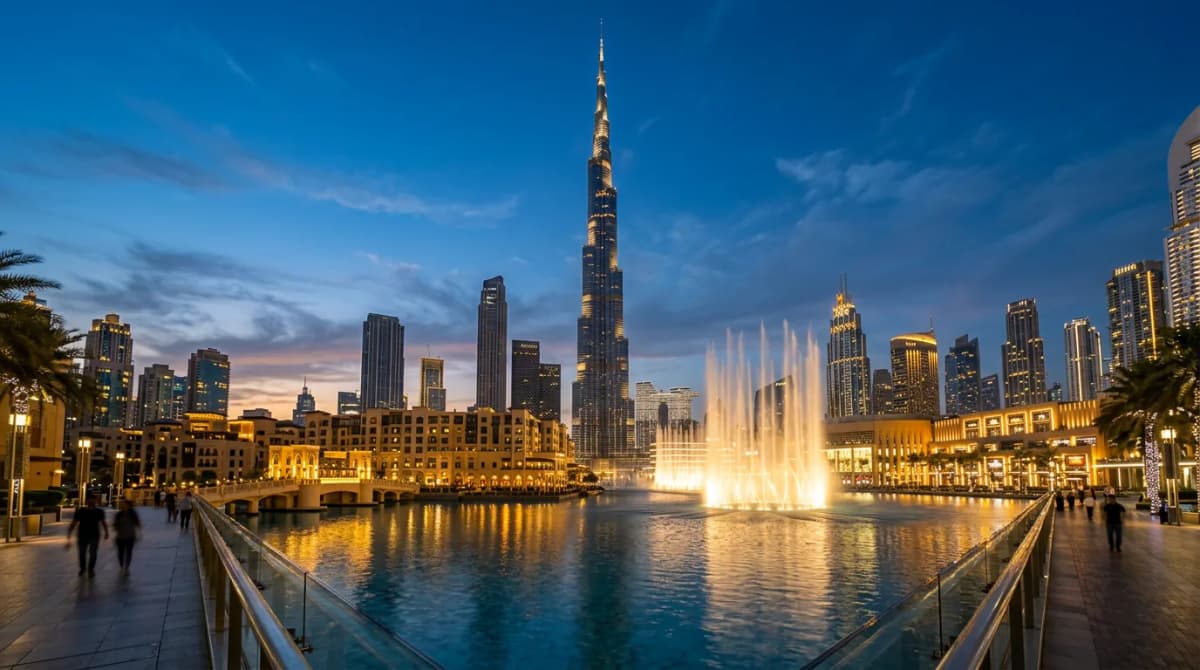
This itinerary is ideal for first-time visitors who want to discover Dubai’s most recognisable landmarks, enjoy exciting activities and make the most of a short holiday.
Day 1: Explore Modern Dubai
Start in Downtown Dubai, home to some of the city’s most famous attractions.
Burj Khalifa and Dubai Mall
The Burj Khalifa is the world’s tallest building, reaching 828 metres. Visitors can access its observation decks for panoramic views of Dubai’s skyline and surrounding desert.
Next door, Dubai Mall offers much more than shopping. It features restaurants, entertainment attractions and the famous Dubai Aquarium, making it a destination in its own right.
Dubai Fountain
Outside the mall, the Dubai Fountain presents spectacular water performances combining music, lights and powerful water jets. It is one of the city’s most popular photo opportunities, particularly in the evening.
Miracle Garden
During its operating season, Dubai Miracle Garden offers a colourful contrast to the city’s skyscrapers. Its enormous floral displays, themed installations and flower-covered structures make it a favourite among families and photography enthusiasts.
Palm Jumeirah and Dubai Marina
Continue towards Palm Jumeirah, the famous man-made island known for its distinctive shape, luxury hotels and waterfront attractions. Finish around Dubai Marina, where visitors can enjoy a walk along the waterfront, admire the towers and have dinner overlooking the yachts.
You can also add the Museum of the Future or Dubai Frame if time allows. The first explores future technologies and innovation, while the second offers views connecting old and modern Dubai.
Planning tip: Visiting every attraction from the inside in one day is unrealistic. Choose a few main experiences and treat the others as photo stops. A private sightseeing route can help you cover more locations efficiently. For comfortable and convenient travel between Dubai’s major attractions, consider exploring a chauffeur service Dubai for a more flexible and personalised sightseeing experience.
Day 2: Enjoy a Dubai Desert Safari
A desert safari Dubai is one of the most popular experiences for visitors to Dubai. It offers a complete change of scenery after a day among skyscrapers and shopping malls.
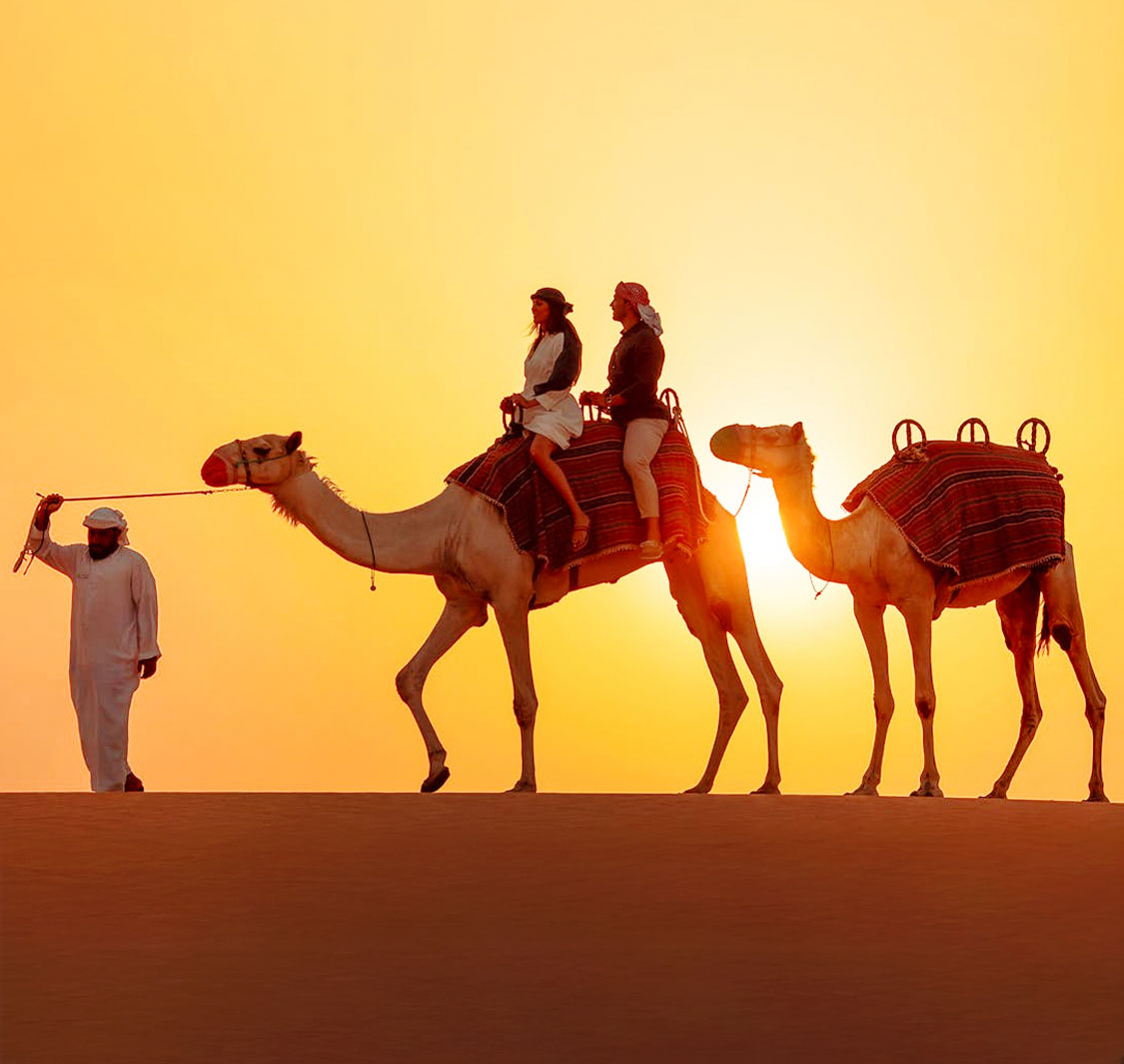
Most evening safaris begin with a hotel pickup in a 4×4 vehicle, followed by dune bashing across the desert. Depending on the package, activities may include sandboarding, camel riding and sunset photography.
For visitors who prefer a more relaxed experience, a desert safari without dune bashing offers an alternative way to explore the desert without the high-speed dune rides.
Quad biking and dune buggy driving are also available with some operators, usually at an additional cost.
The experience normally continues at a desert camp, where visitors enjoy a barbecue dinner and live entertainment, which may include Tanoura dancing and belly dancing.
Allow approximately six to seven hours for a typical evening safari.
Day 3: Waterparks and Indoor Attractions
Spend your final day enjoying Dubai’s entertainment options.
Aquaventure Waterpark at Atlantis, The Palm, is a major attraction featuring water slides, pools and activities for different age groups. Alternatively, Wild Wadi Waterpark, near the Burj Al Arab, offers another enjoyable day of water-based entertainment.
Choose one rather than trying to visit both.
If you still have time, consider Dubai Aquarium and Underwater Zoo inside Dubai Mall or Ski Dubai at Mall of the Emirates, where visitors can enjoy an indoor snow experience.
How Much Does the Dubai Tourist Experience Cost?
A reasonable planning budget is around AED 800–2,000 per person for the three days. The final cost depends on the attractions you enter, your desert safari package, optional activities and transport arrangements. This is an indicative activity budget, excluding flights and accommodation.
Who Is This Experience Best For?
- First-time visitors who want to see Dubai’s famous landmarks.
- Families with children interested in entertainment and waterparks.
- Couples and honeymooners looking for impressive views and memorable activities.
- Travellers with limited time who want to experience the city’s highlights.
Experience Two: The Dubai Traveller – Three Days of Heritage and Local Experiences
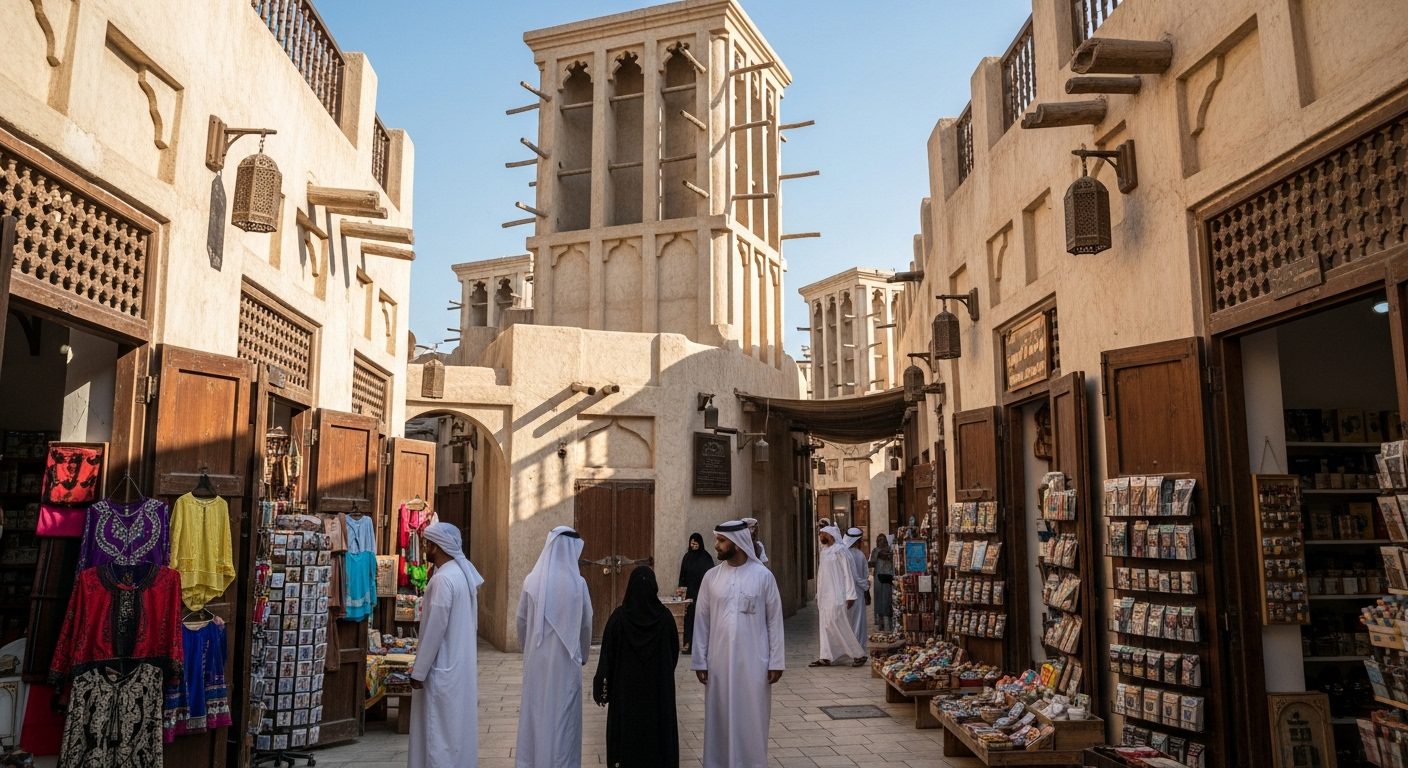
This itinerary is designed for visitors who want to look beyond Dubai’s famous attractions and discover its history, neighbourhoods, food and cultural traditions.
Day 1: Discover Old Dubai
Begin around Dubai Creek, the historic waterway that helped establish Dubai as an important regional trading centre.
Al Seef and Al Fahidi Historical Neighbourhood
Al Seef is a waterfront destination combining traditional architectural influences with restaurants, shops and walking areas. It provides a pleasant introduction to the historic side of Dubai.
Nearby, Al Fahidi Historical Neighbourhood offers a glimpse of life before the city’s rapid modern development. Its narrow lanes, traditional courtyards and wind-tower buildings reflect the architectural style of old Dubai. Many restored buildings now house museums, galleries and cultural spaces.
Take a break at a traditional café and try Arabic coffee or a regional breakfast.
Dubai Creek and the Traditional Souks
Cross Dubai Creek on a traditional abra, a small wooden boat that has connected the two sides of the creek for generations.
On the Deira side, explore the Spice Souk, where shops display spices, herbs, incense and dried fruits. Then visit the Gold Souk, famous for its jewellery shops and extensive gold displays.
Al Shindagha Museum
Return towards the creek to explore Al Shindagha, a historic district where restored houses and exhibitions explain Dubai’s maritime heritage, trading history and development.
Allow around eight to ten hours for this itinerary, depending on how much time you spend in the museums, markets and cafés.
Day 2: Experience Local Culture and Food
Start at Jumeirah Mosque, one of Dubai’s best-known mosques. Its guided cultural visits welcome people of different faiths and introduce visitors to Islamic traditions, Emirati customs and local hospitality. Check the visiting schedule before going.
Continue to Al Satwa and 2 December Street, where small restaurants, shops and everyday businesses reflect Dubai’s multicultural population. These neighbourhoods offer a more everyday atmosphere than the city’s major tourist districts.
You can also explore Old Jumeirah, which has a different character from the modern developments of Palm Jumeirah.
For a cultural stop, consider the Museum of Coffee in Al Fahidi. It explores the history of coffee and its importance in Arab hospitality and social gatherings.
Discover Traditional Emirati Food
Food is an essential part of understanding local culture. Look for restaurants serving traditional Emirati dishes such as:
- Machboos: Rice cooked with meat or seafood and aromatic spices.
- Harees: Wheat and meat cooked slowly into a smooth, rich dish.
- Thareed: Bread served with a flavourful meat and vegetable stew.
- Luqaimat: Small sweet dumplings traditionally served with date syrup.
Finish with Arabic coffee, often flavoured with cardamom and served as a gesture of hospitality.
Allow more than eight hours if you want to combine sightseeing, a cultural visit and a relaxed food experience.
Day 3: Discover the Emirati Desert Lifestyle
For your final day, explore the desert beyond the typical commercial safari experience.
Al Marmoom is a large desert conservation area offering natural landscapes, wildlife and outdoor activities. It provides a different perspective on the environment surrounding Dubai.
One interesting tradition to discover is the Kashta: a desert outing or gathering where family and friends spend time outdoors, prepare food and enjoy the surroundings. Unlike a scheduled commercial safari, a Kashta is more about the gathering and the experience of spending time in the desert.
If your visit coincides with the racing season, you could also watch camel racing at Al Marmoom Camel Race Track. Camel racing remains an important heritage sport in the UAE, with modern races using robotic jockeys. Events take place on specific dates, so check the schedule in advance.
Horse racing is another part of the country’s sporting culture, although access to events depends on the calendar.
How Much Does the Dubai Traveller Experience Cost?
A reasonable estimate is AED 500–1,200 per person for three days, depending on meals, transport, museum admissions and the desert arrangements.
This is an indicative budget excluding flights and accommodation. Private guides and exclusive desert experiences can increase the cost.
Who Is This Experience Best For?
- Travellers interested in culture, heritage and local food.
- Repeat visitors who have already explored the main attractions.
- Visitors from the GCC and neighbouring countries interested in regional traditions.
- Long-stay visitors who have time to explore different parts of Dubai.
Dubai Tourist vs. Dubai Traveller: Which Experience Should You Choose?
| Comparison | Dubai Tourist | Dubai Traveller |
|---|---|---|
| Main interest | Attractions and entertainment | Heritage and culture |
| Highlights | Burj Khalifa, Dubai Mall, safari and waterparks | Al Fahidi, Dubai Creek, souks and Emirati food |
| Travel style | Busy and attraction-focused | Exploratory and flexible |
| Estimated budget | AED 800–2,000 | AED 500–1,200 |
| Best for | First-time visitors and families | Cultural explorers and repeat visitors |
The cost difference is not guaranteed. Your actual spending depends on transport, meals, paid attractions and the type of experiences you choose.
Can You Combine Both Experiences?
Absolutely. You do not have to choose one travel style exclusively.
You could spend your first day exploring Downtown Dubai and its iconic landmarks, dedicate the second day to Old Dubai and its traditional markets, and finish with a desert experience that matches your interests.
If you prefer a flexible sightseeing experience, organised Dubai Day Tours and Dubai City Tours can help you explore different parts of the city without spending too much time arranging transport. A Dubai Travel Agent can also help coordinate a personalised itinerary, particularly if you prefer Private Dubai Tours tailored to your schedule and interests.
You can explore available sightseeing options through Dubai Day Tours.
There is more than one way to experience Dubai. You can enjoy its extraordinary skyline, luxury hotels and entertainment attractions, or discover its trading history, traditional neighbourhoods and food culture.
The best three-day itinerary is not necessarily the one that includes the most attractions. It is the one that matches your interests and the kind of memories you want to take home.
0 Comment