

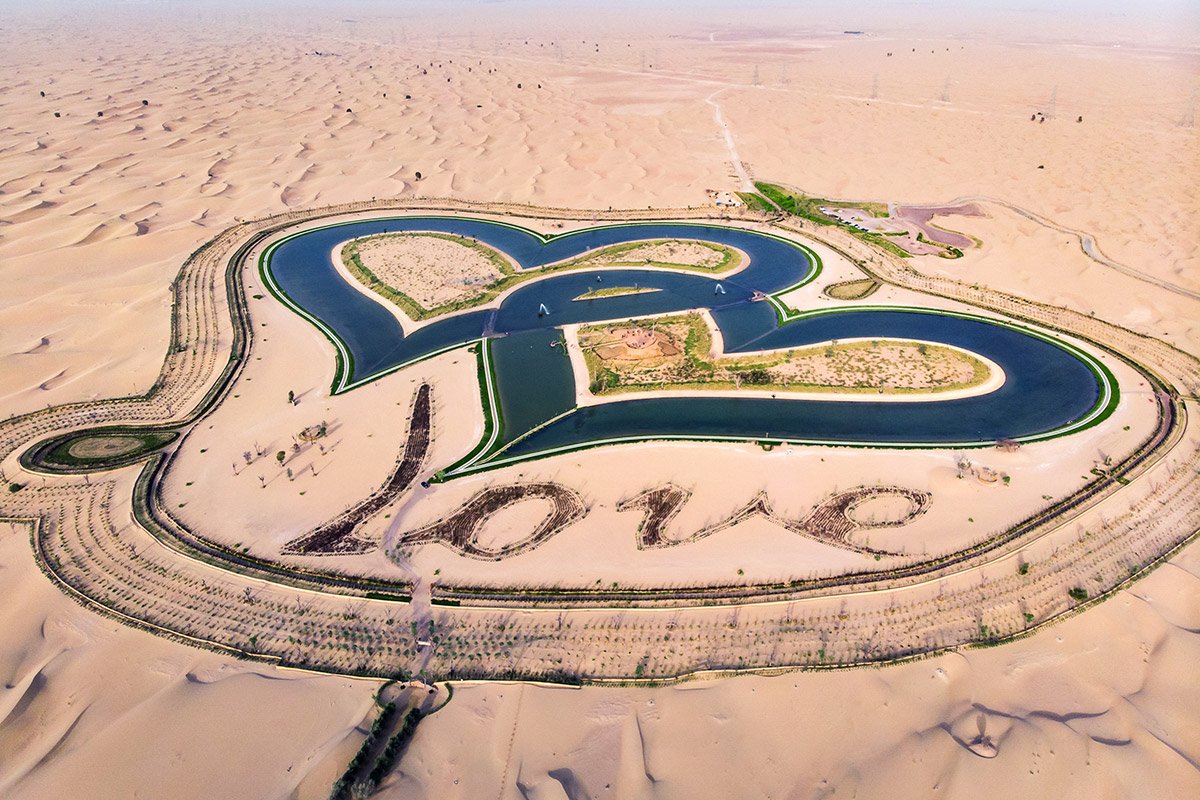

Every Dubai day-trip list points outward — Hatta, Fujairah, the east coast. Al Qudra barely counts as leaving the city at all: a 35–45 minute drive from the Marina lands you in the Al Marmoom Desert Conservation Reserve, where a chain of man-made lakes draws flamingos, oryx drift between the dunes, and the famous Love Lake spells itself out in twin hearts. It is free, it is open around the clock, and it works as anything from a two-hour sunset stop to a full picnic-and-cycling day. Here is how to do it properly.
Al Qudra also features in our guide to the Al Marmoom Desert, and it is the natural warm-up before a bigger trip like Hatta if you are testing how your group handles early starts and desert roads.
Getting There and When to Go
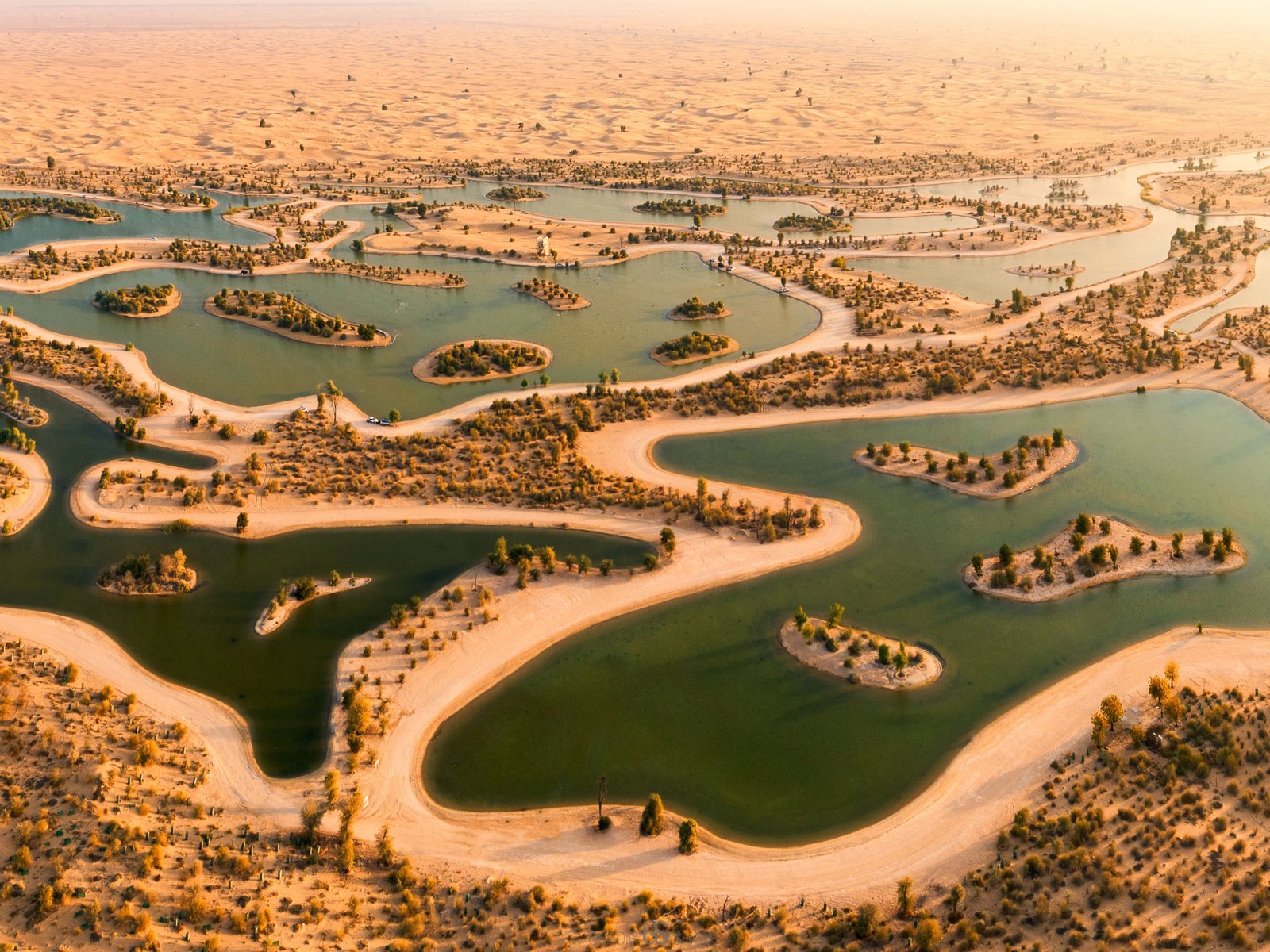
Al Qudra is reached by Al Qudra Road (D63), heading out past Arabian Ranches and Studio City toward Bab Al Shams. There is no metro and no practical bus route to the lakes, so this is a drive-yourself or taxi day — and if you taxi out, pre-arrange the return, because hailing a ride back from the desert edge is unreliable. A normal car is fine for the paved roads and the main lakes; only venture onto sand tracks if you know what you are doing, as soft sand near the lake edges catches out a saloon car every single weekend.
The area is open 24 hours with no gates or booking, as the Property Finder guide to the Al Qudra camping area confirms, but the experience is all about timing: sunrise and the hour before sunset are the visits worth making. The sensible season runs October to April. A midday summer visit is a short, hot mistake — there is very little shade anywhere in the reserve.
Love Lake and the Al Qudra Lakes
The lake system is a set of artificial lakes spread through the reserve, built for wildlife rather than swimmers — these are look-and-walk lakes, not bathing spots. Love Lake, near the far end of the lake chain, is two interlocking heart-shaped lakes with trees planted to spell “Love” beside them; from the ground you read the shape in sections, and the viewing platform and the paths around the hearts are the photo stops. Arrive before 9am on a weekend if you want it quiet.
The other lakes reward a slower wander. Boardwalk sections and rough paths run along several shores, benches appear at the better viewpoints, and the whole system is at its best in the golden hour when the dunes behind the water turn the colour the photos promise. Bring everything with you — water, snacks, sunscreen, a bag for your rubbish — because facilities at the lakes themselves are minimal. For more of Dubai’s outdoor spaces, our best parks in Dubai guide covers the in-city options.
Cycling the Al Qudra Track
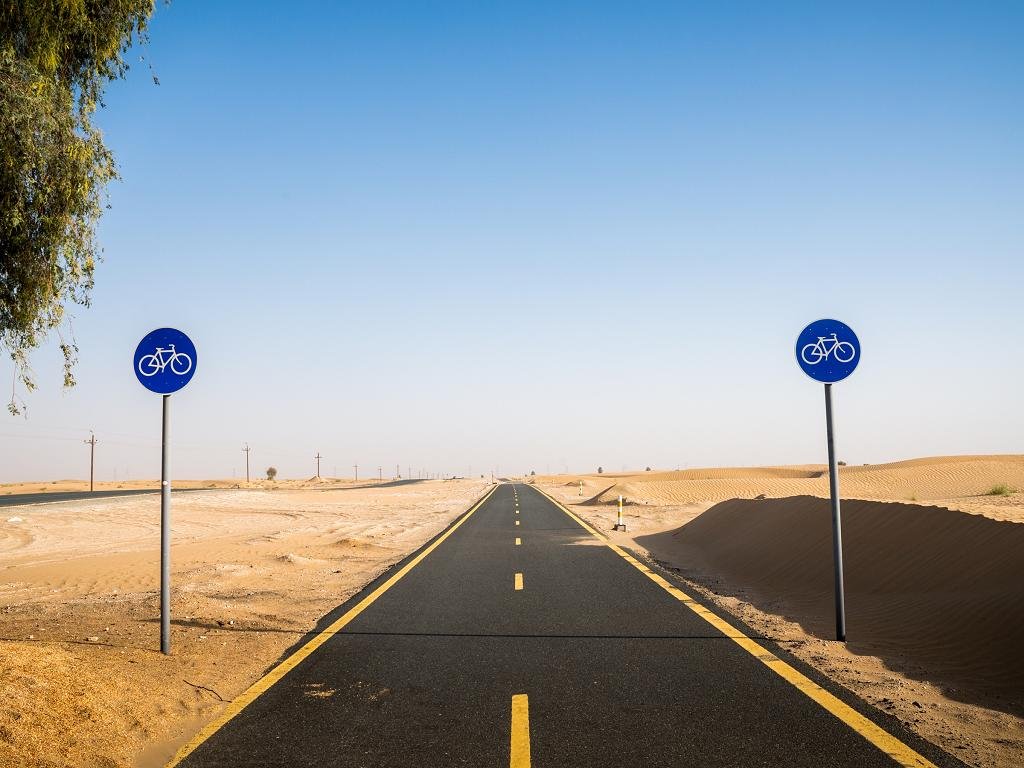
The Al Qudra Cycle Track is one of the region’s best road-cycling venues: a smooth tarmac track, roughly 86 km in its full configuration with shorter loop options, running out into open desert with rest points, shaded stops and emergency phones along the route. Entry to the track is free. The Trek Bicycle Store near the track’s end rents road bikes and helmets — rental guides such as DubiCars’ Al Qudra track guide quote roughly AED 55 for two hours on weekdays and around AED 95–97 at weekends; confirm current rates when booking, and reserve ahead for weekend mornings in winter, when the rental fleet goes fast.
Beginners should take a short loop near the start rather than heroically aiming at the full circuit: desert wind is a real factor, distances are deceptive, and there is no shortcut home. Carry at least two litres of water per rider, ride at dawn in the warmer months, and know that spotting oryx from the saddle is a regular occurrence rather than a lucky one. Cyclists combining the track with the lakes should ride first and sightsee after — the light and the temperature both argue for that order.
Wildlife: Oryx, Gazelles and Winter Birds
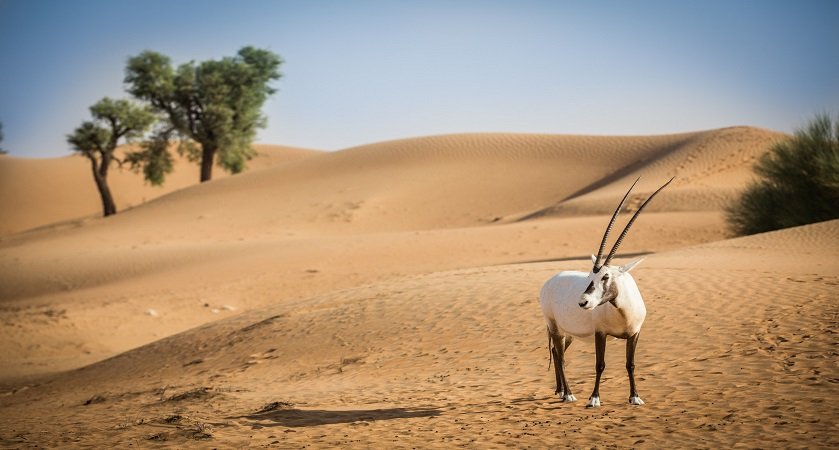
Al Marmoom is a conservation reserve first and a picnic spot second, and the wildlife is the point. Arabian oryx — reintroduced and now a settled population — graze around the lakes and cross the cycle track, joined by sand gazelles and desert foxes for those patient enough at dawn and dusk. The rule is simple: observe from a distance, never feed any animal, and slow right down when wildlife is near the road.
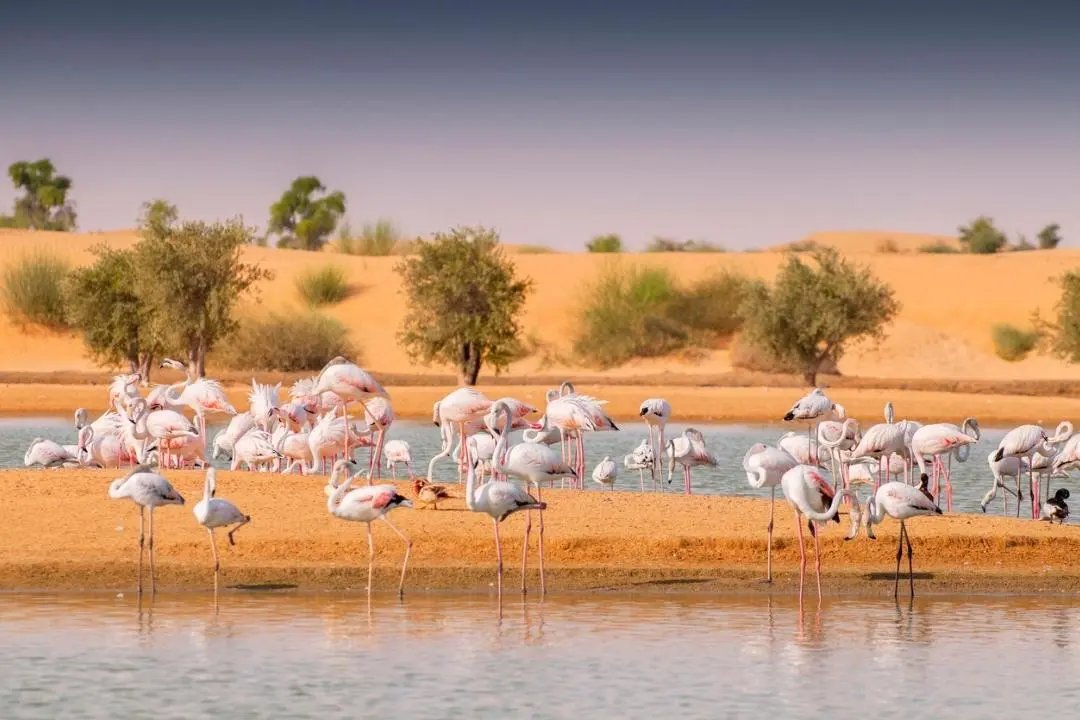
The birdlife peaks in winter, when migratory species join the resident flamingos, herons, ducks and waders on the lakes; well over a hundred species have been recorded across the reserve’s lake system. You do not need to be a birder to enjoy it — the flamingo gatherings at the lake edges are obvious and photogenic — but binoculars turn a pleasant walk into a genuinely absorbing one. Keep to paths around the shores, as the lake margins are feeding habitat, and keep dogs (where permitted at all in specific areas) away from the water entirely.
Picnics, Barbecues and Camping
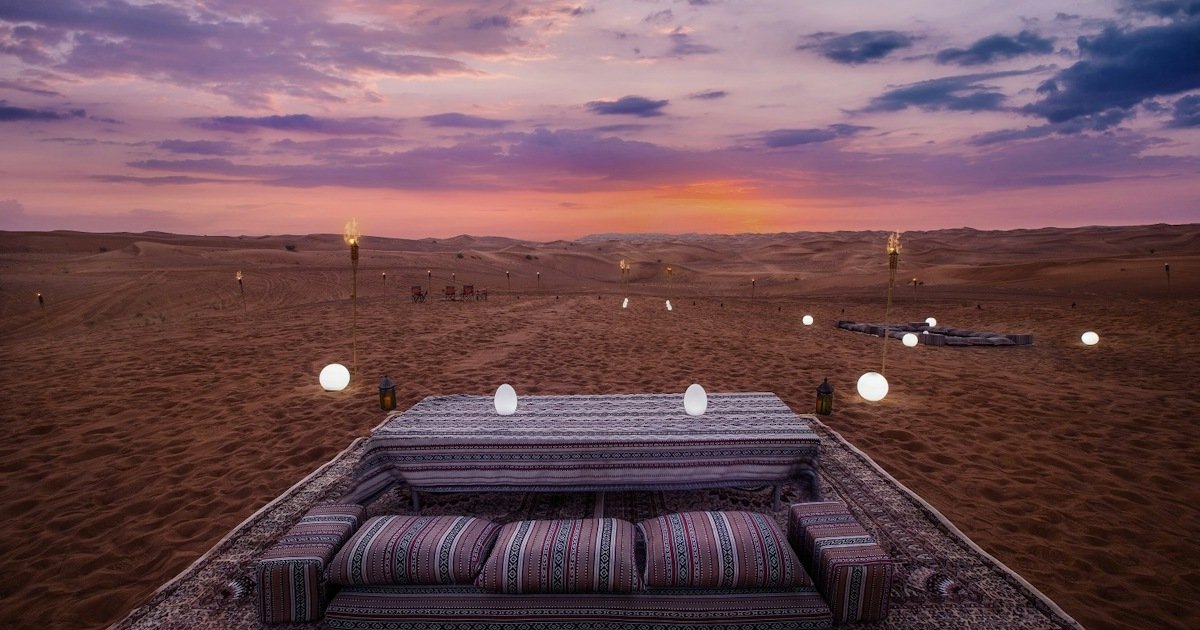
Al Qudra is one of the few places near Dubai where a proper picnic culture thrives: families spread rugs at the lake edges from mid-afternoon, barbecue in the designated spots and stay for sunset. Camping is also popular around the lakes in the cooler months, on a first-come basis with no booking system — arrive early on winter weekends to claim a sensible pitch away from the sand tracks.
The etiquette is the conservation rulebook: use designated barbecue areas rather than lighting fires on the ground, take every scrap of rubbish home, keep noise down after dark, and never drive off the tracks into the dunes — both for the habitat and because a bogged car makes for an expensive evening. If the camping idea appeals but you want it organised, our guide to the best places in the UAE for night camping lays out the alternatives, and the lakes also appear in our free things to do in Dubai round-up for good reason: the whole day can cost nothing but fuel and food.
A Sample Half-Day Plan and Costs
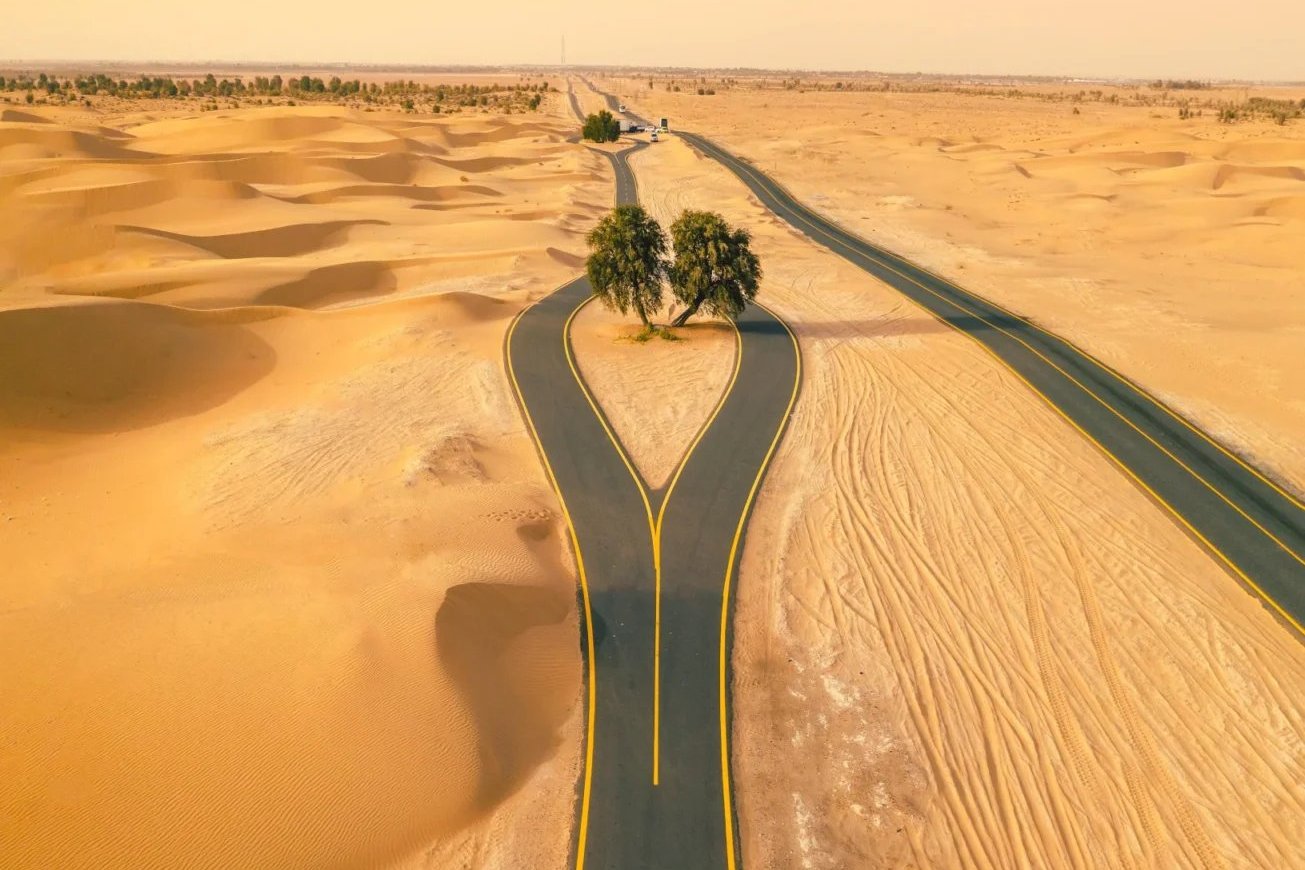
The classic plan is an afternoon run. Leave the city at 2:30pm, be at the lakes by 3:30pm, walk Love Lake and the shore paths while the light softens, set up a picnic spot by 5pm, and watch sunset over the water with the flamingos settling in. Cyclists flip it: dawn ride, coffee at the track café, lakes afterwards, home by 11am. Either version fits around a normal Dubai itinerary day — beach in the morning, Al Qudra at golden hour is a combination residents genuinely use.
Costs are as low as day trips get: entry, parking and the cycle track are free; your spend is fuel or taxis, a bike rental if you ride (roughly AED 55–97 for two hours by recent guides), and whatever you bring to eat. A couple driving their own car with a homemade picnic can do the full trip for less than the price of two coffees in a Downtown café — which is precisely why, on the list of Dubai day trips, Al Qudra is the one to do first and the one you will repeat.
Frequently Asked Questions
Is Al Qudra free to visit?
Yes. The lakes, Love Lake and the cycle track are free to enter, with no booking and free parking near the main areas. You pay only for extras such as bike rental, which recent guides put at roughly AED 55 for two hours on weekdays and around AED 95–97 on weekends.
How do I get to Al Qudra without a car?
There is no metro or practical bus service. A taxi or ride-hailing car works for the trip out, but arrange your return in advance — pickups from the lakes can be slow and unreliable, especially after sunset.
When is the best time to visit Al Qudra?
October to April, at sunrise or in the late afternoon through sunset. The area is open 24 hours, but midday visits in the hotter months are uncomfortable and the wildlife is far less active.
Can you swim in the Al Qudra lakes?
No. The lakes are wildlife habitat and are not designated or supervised for swimming. They are for walking, picnics, cycling nearby and birdwatching.
Can I camp at Al Qudra?
Yes, camping around the lakes is popular in the cooler months and works on a first-come basis. Use designated barbecue areas, take all rubbish home, stay off the sand tracks with your vehicle and keep noise down at night.
0 Comment