

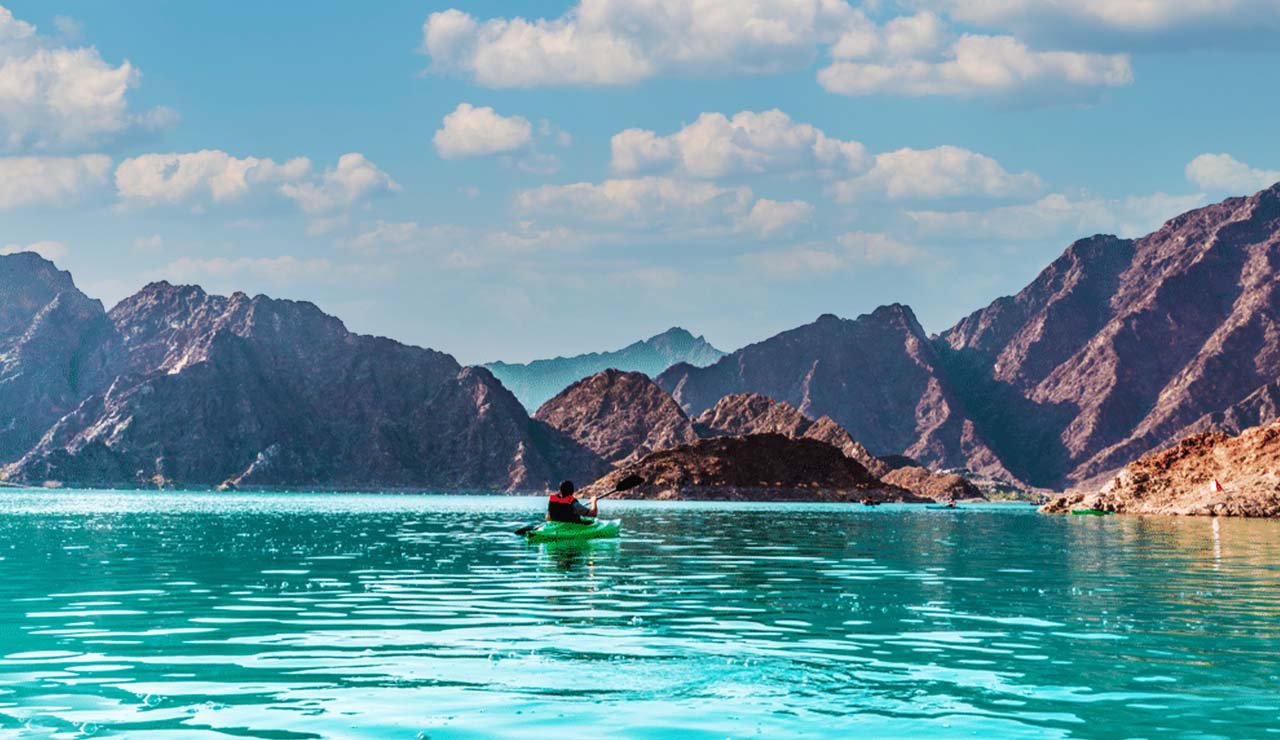

About ninety minutes from the Dubai you know — the towers, the malls, the traffic — there is a Dubai that looks nothing like it. Hatta sits in the Hajar Mountains, an exclave of the emirate ringed by Oman, and it trades skyscrapers for jagged peaks and a reservoir whose water is an almost unreal shade of turquoise. It is the easiest mountain escape from the city, and with a bit of planning it fits neatly into a single day. Here is how to do it right.
Getting to Hatta from Dubai
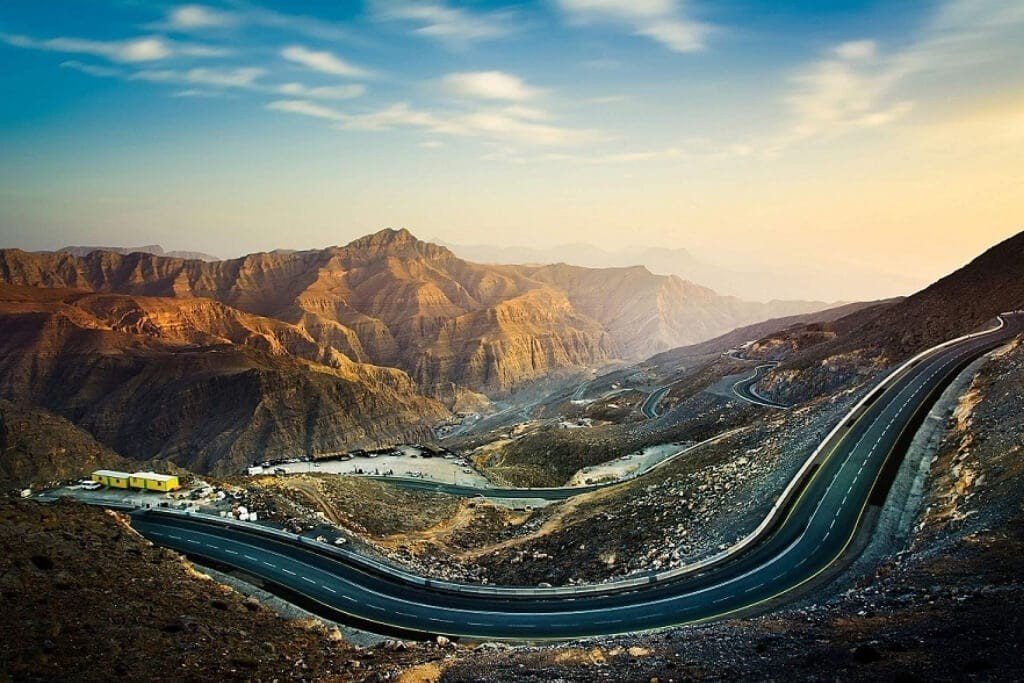
The only sensible way to do Hatta is by car. The Dubai–Hatta Road (E44) runs about 134 km from the city to Hatta, and the drive takes roughly 90 minutes from downtown Dubai. The road is excellent — straight, smooth highway most of the way, then a scenic stretch as the mountains close in. A regular sedan handles it with no trouble at all.
What surprises most first-timers: there is no direct public bus from Dubai to Hatta Dam or the main sights, so if you don’t have a car, your options are a rental, a taxi for the day, or an organized tour. (We break down every option in our Dubai to Hatta transport guide.) One more thing to know: Hatta is a Dubai exclave bordered by Oman, which means border checkpoints on the route. Carry your passport or Emirates ID — you will likely be waved through, but you don’t want to be the one who forgot.
A few practical notes for the drive: leave by 7 or 8 AM, especially on winter weekends when half of Dubai has the same idea. Fuel up before you leave — petrol stations thin out once you’re in the mountains — and set your navigation for Hatta Dam first, since that’s where the day starts. The RTA site is the official source if you want to check road or public transport updates before heading out.
Morning: Kayaking on Hatta Dam
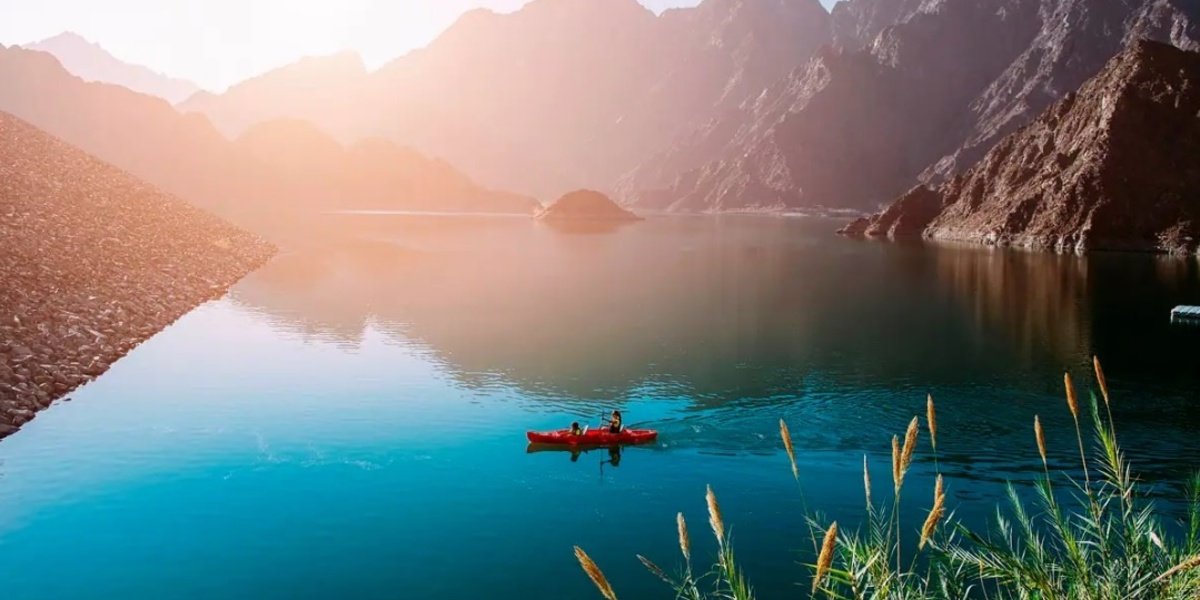
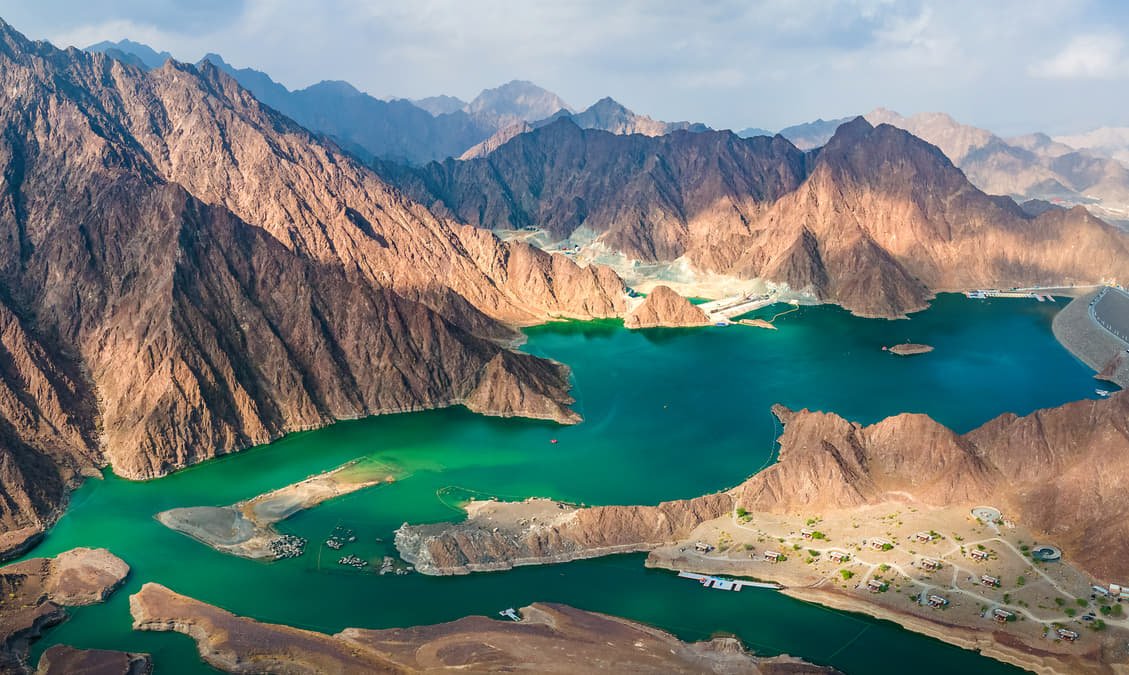
Start at the dam, because this is the reason most people make the trip. Hatta Dam holds back the UAE’s mountain water between two ridges of the Hajar range, and the reservoir glows green-blue against the brown rock — it honestly doesn’t look real the first time you see it. The water is calm, the mountains block most of the wind, and the whole scene is quieter than you’d expect.
Kayaking is the thing to do here. The operator at the dam, Hatta Kayak, rents single kayaks for AED 60 and doubles for AED 120, and both come with unlimited time — you paddle until your arms give out, which is a genuinely good deal. If kayaking isn’t your thing, there are water bikes, pedal boats, donut boats and a shaded yellow boat that does slow cruises. Entry to the dam area itself is free; you only pay for the boats.
Know the rules before you go: swimming is not allowed in the dam by law, private water equipment isn’t permitted, children under 16 can’t take single kayaks, and you’re not allowed to climb on the dam structure. Lockers are free, tickets are first come, first served (reservations aren’t needed), and the morning window — roughly 7 to 11 AM — has the calmest water and the fewest crowds. You can check current prices and timings at hattakayak.com.
Midday: Hatta Heritage Village
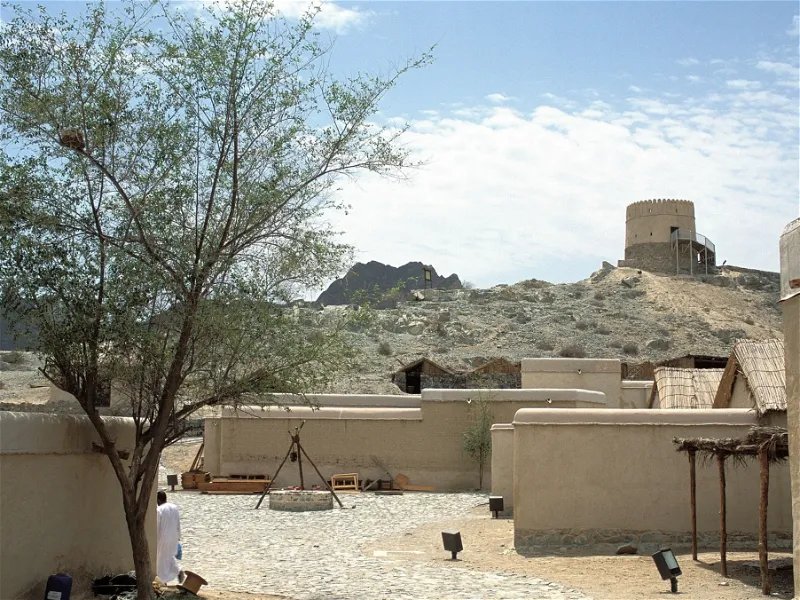
By late morning the sun is high and the dam gets busy, so head to Hatta Heritage Village — it’s the cultural heart of the trip and a natural midday stop, since the thick mud-brick rooms stay cool inside even when it’s hot out.
The village is a restored mountain settlement with a history stretching back some 3,000 years. You’ll walk through more than 30 stone and mud-plaster buildings: watchtowers, the old Hatta Fort, the Juma Mosque dating to 1780, a traditional majlis, water wells, and the falaj irrigation channel that once kept the whole settlement alive. The on-site museum holds old weapons, pottery, farming tools and photographs of mountain life from before the oil era, and the Al-Sharia palm farm next door shows how the falaj system actually worked.
Entry is completely free. The village is open Saturday to Thursday from 7:30 AM to 8:30 PM, and on Fridays from 2:30 PM to 8:30 PM. Give it an hour or two — it’s compact, but the details reward a slow wander rather than a quick photo stop.
Afternoon: Hatta Wadi Hub
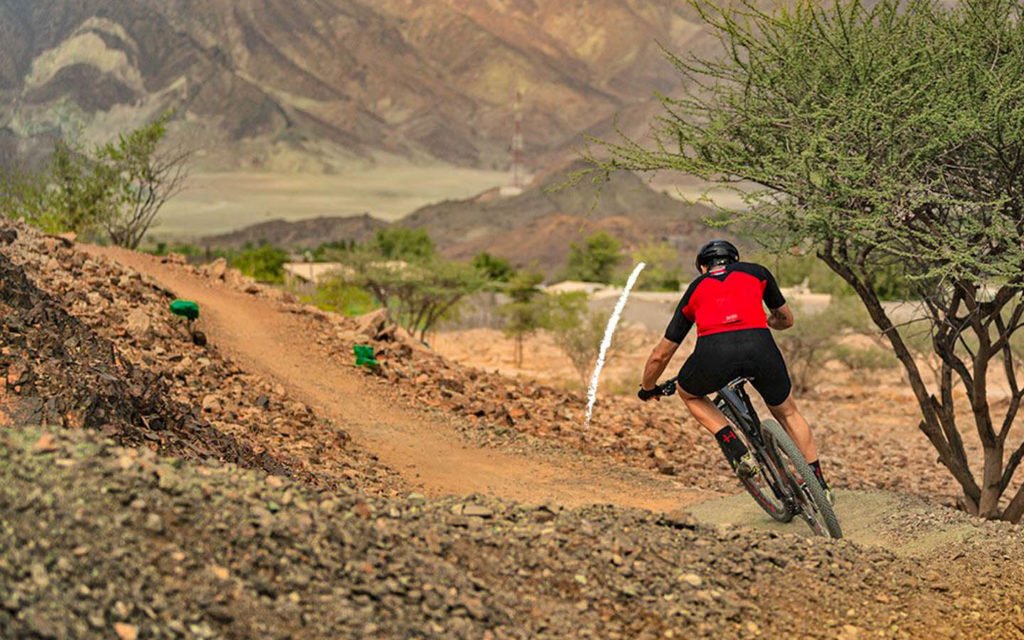
After lunch, make for Hatta Wadi Hub, the adventure center that turned Hatta from a quiet mountain town into the UAE’s outdoor playground. This is where the afternoon goes: graded mountain biking trails with bike rentals on site, plus archery, axe throwing, zorbing, paragliding and a network of hiking trails that range from easy valley walks to serious climbs.
If you’re not the adrenaline type, the hub is still worth the visit — the hiking trails are free, and the viewpoints over the wadis are some of the best in the emirate. The Hatta Sign on the hillside makes the obligatory photo, and nearby Hatta Hill Park gives you a panorama over the whole town that explains why this place feels so different from coastal Dubai. Book paid activities ahead on weekends, when slots fill up; you can see what’s on at visithatta.com.
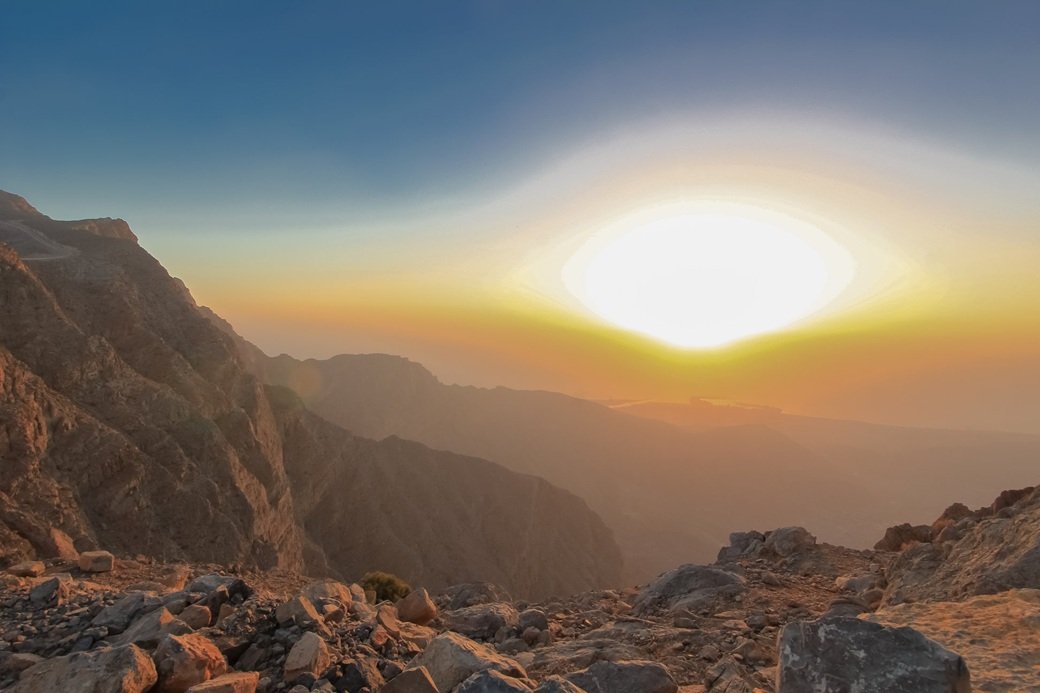
By late afternoon, point the car back toward the dam for a second look if you have the energy. The light at golden hour turns the reservoir glassy, and it’s the best photo of the day.
Where to Eat and Practical Tips
Let’s talk food, because this is where Hatta day trips go wrong. Food outlets near the dam are limited, so don’t arrive hungry with no plan. The local cafeterias in Hatta town do cheap, filling meals — think grilled meats, fresh juice and karak for very little money. There’s a café at the dam itself, plus food trucks around the Wadi Hub. Smartest move: pack snacks and plenty of water in the car, then eat a proper lunch in town between the Heritage Village and the Wadi Hub.
Timing matters more than anything. October to April is Hatta season — cool enough for kayaking and hiking all day. (Our best time to visit Dubai guide covers the same weather window, since Hatta follows the same pattern, just a few degrees cooler.) In summer, only attempt the early morning; the mountains offer no mercy at midday.
Pack sunscreen, a hat, sunglasses and sturdy shoes, plus a light jacket in winter — mountain temperatures drop fast after sunset. Carry some cash alongside your cards, and fill the tank before leaving Dubai. And if Hatta gives you the day-trip bug, the other two classics are the east coast mountains of Fujairah and the capital in our Abu Dhabi day trip guide.
Frequently Asked Questions
How long does it take to get from Dubai to Hatta?
About 90 minutes each way via the E44 (Dubai–Hatta Road), covering roughly 134 km from downtown Dubai. Leave early to beat weekend traffic and give yourself a full day.
Do I need a passport to visit Hatta?
Hatta is a Dubai exclave bordered by Oman, so there are border checkpoints on the route. Carry your passport or Emirates ID — you’ll usually be waved through, but it’s required.
Is there a bus from Dubai to Hatta?
No, there’s no direct public bus from Dubai to Hatta Dam or the main attractions. You need a car (your own or a rental), a taxi for the day, or an organized tour.
Can you swim in Hatta Dam?
No. Swimming in the dam is not allowed by law — it’s a protected reservoir. Kayaking, water bikes, pedal boats and the other rental boats are the way to get on the water.
How much is kayaking at Hatta Dam?
A single kayak costs AED 60 and a double AED 120, both with unlimited time on the water. Tickets are first come, first served, and reservations aren’t needed.
0 Comment