

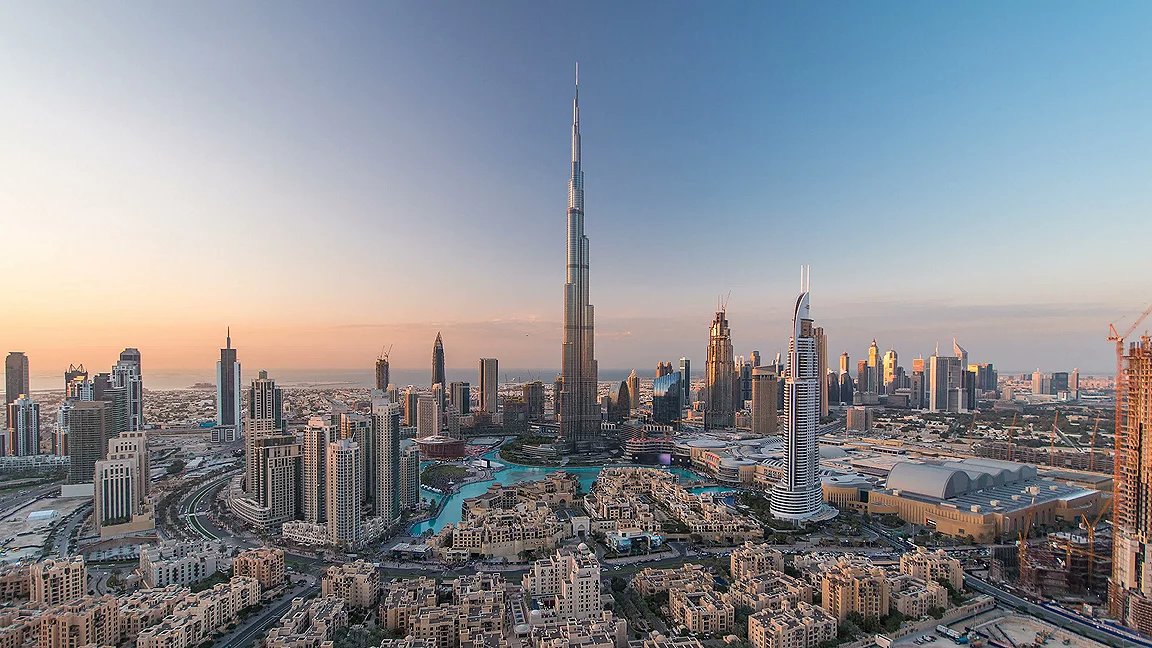

Dubai rewards photographers who plan around light instead of landmarks. The same skyline can look flat at noon and unreal at 6:40pm, and the old town that feels sleepy at midday turns gold an hour before sunset. This 3-day photography itinerary groups the city’s best viewpoints by neighbourhood and time of day, so you spend your mornings and evenings shooting and your harsh midday hours indoors, travelling, or editing.
You do not need professional gear to use this plan. Most spots work with a phone, although a wide lens helps in the narrow lanes of Al Fahidi and a small tripod earns its space after dark at the Marina. If this is also your first visit, pair this route with our general 3 days in Dubai itinerary for the sightseeing order, and check our guide to the best time to visit Dubai — winter light is softer and the air is clearer than in humid summer months.
Day 1 Morning: Burj Khalifa and Downtown at First Light
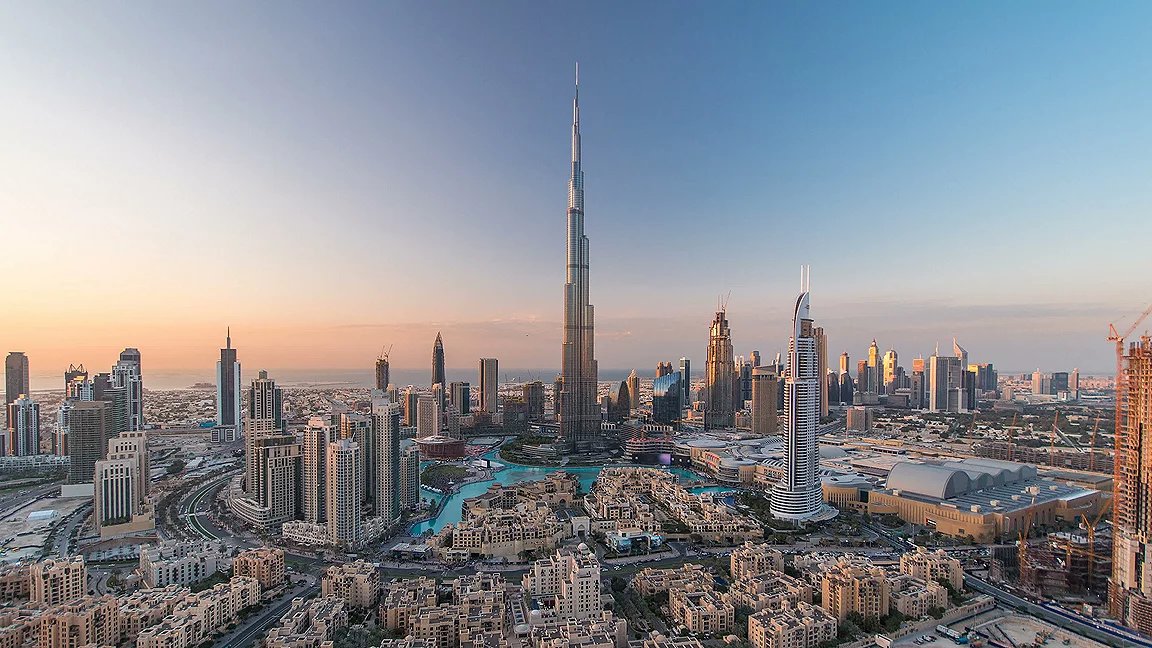
Start before sunrise at Burj Park and the Dubai Mall lake promenade. From the park you can frame the full height of the Burj Khalifa with its reflection, something you cannot do standing directly underneath it. Arrive in the blue hour, shoot the tower as the sky warms, then walk to the Wings of Mexico statue and Souk Al Bahar bridge for the classic postcard angle across the lake.
Mid-morning, go up instead of across. The observation decks at At The Top, Burj Khalifa are quieter on weekday mornings, and the light raking across the desert side of the city shows the street grid at its clearest. Book the earliest slot you can and shoot Downtown first, then the coastline and Palm side as the sun climbs. Keep a microfibre cloth handy: deck glass picks up fingerprints fast.
Practical Notes for Downtown
Tripods are generally not allowed on the observation decks, so raise your ISO rather than fighting the rule. On the ground, the lake promenade and Burj Park are public and free, and security staff are used to photographers — just keep paths clear during the evening fountain crowds if you return later.
Day 1 Evening: Dubai Creek Harbour and the Old Town
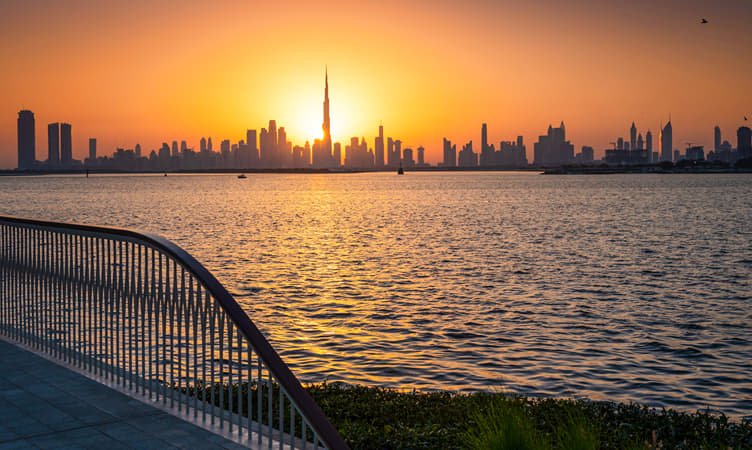
Finish day one at Dubai Creek Harbour. The viewing point at the end of the promenade lines the Burj Khalifa up across the creek, and at dusk the tower lights up while there is still colour in the sky — the single most reliable skyline shot in the city. Arrive 45 minutes before sunset to claim a railing spot on busy winter evenings.
If you have a second evening free, swap Creek Harbour for the far bank: the Al Seef promenade and the abra crossing between Baniyas and Bur Dubai. A one-dirham abra ride at sunset puts wooden boats, minarets and the Deira towers in one layered frame. Our dhow cruise guide covers the longer evening boats if you want the same views with dinner.
Day 2 Morning: Al Fahidi’s Lanes and Wind Towers
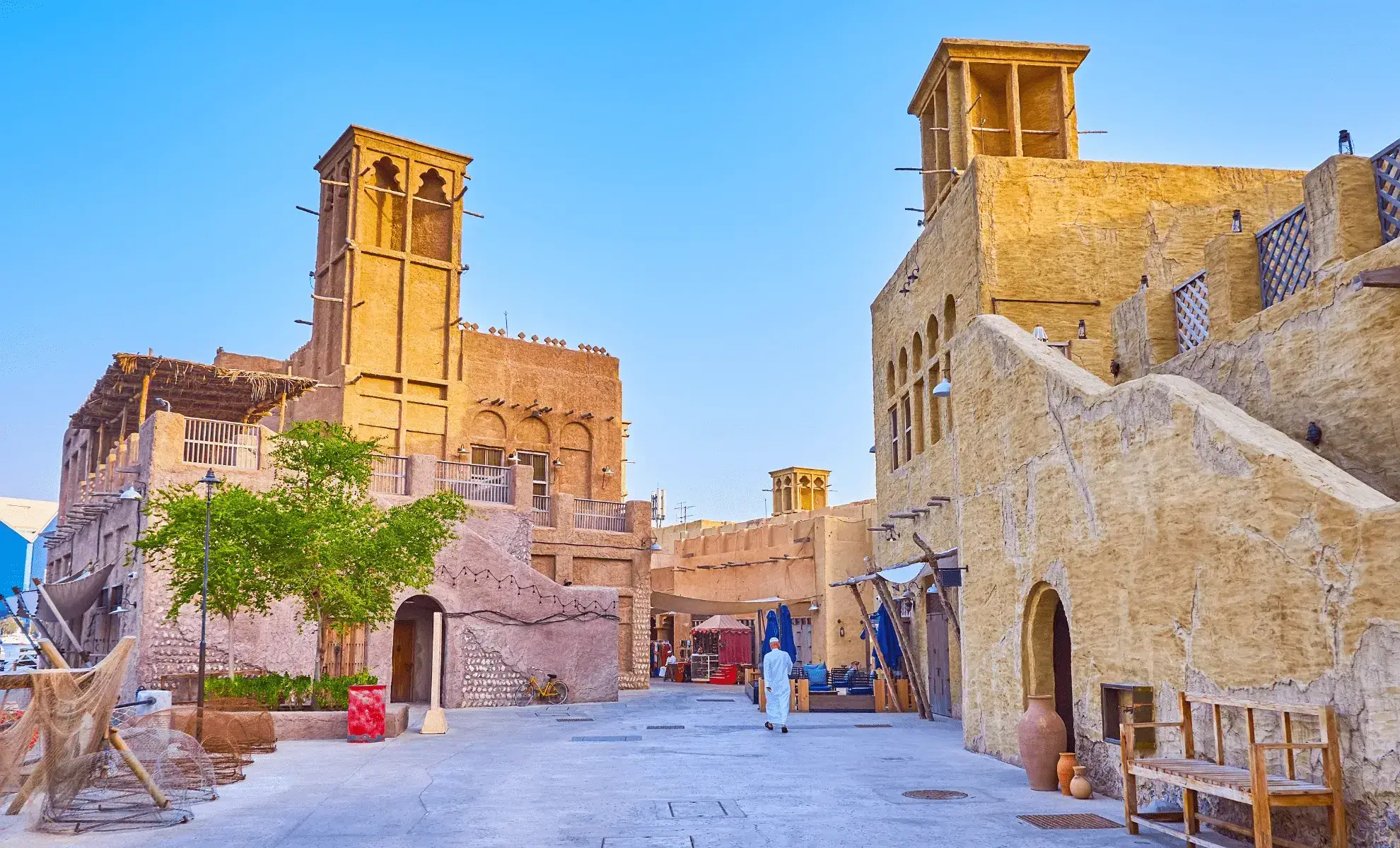
Old Dubai is a morning location. The lanes of the Al Fahidi Historical Neighbourhood are narrow, so the sun only reaches into them for a few hours, creating strong light-and-shadow patterns against the coral-stone walls and wind towers. Shoot the XVA Gallery courtyard, the coin museum lane and the famous Starbucks in Al Seef for contrast, then cross to Deira for the spice and gold souks while the light is still angled.
People are part of the old town’s pictures — porters, shopkeepers, abra captains — but ask first for close portraits. Market traders are usually happy to be photographed at their stalls if you have bought something or at least chatted; wide street scenes need no permission. Dress codes from our guide to what to wear in Dubai apply in the old neighbourhoods: covered shoulders and knees keep you welcome everywhere.
Midday Break
When the light turns harsh, retreat. The Dubai Museum area, the air-conditioned souk arcades and the cafes along Al Seef are all within walking distance, and the Metro from Al Fahidi station connects you back to Downtown in minutes on a Nol card.
Day 2 Evening: The Dubai Frame and Zabeel Golden Hour
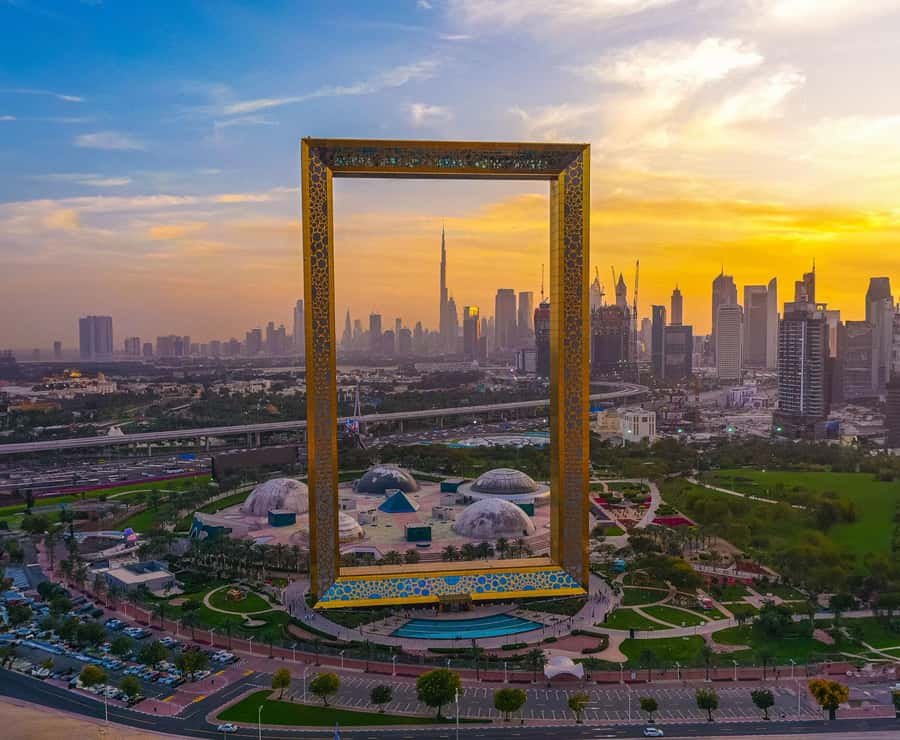
The Dubai Frame is two shoots in one. From Zabeel Park you photograph the 150-metre golden structure itself, best side-lit in the last hour of the day. From the sky deck inside, you shoot through it: Deira and the old city to the north, Sheikh Zayed Road’s towers to the south. Book a late-afternoon entry so you get the exterior in warm light and the city views as the lights come on.
Photography inside is through glass panels, so press the lens hood (or phone) flat against the glass to kill reflections, and avoid flash entirely. The glass floor is the shot everyone wants — arrive at the bridge right after entry before queues build.
Day 3: Marina, Bluewaters and the Palm After Dark
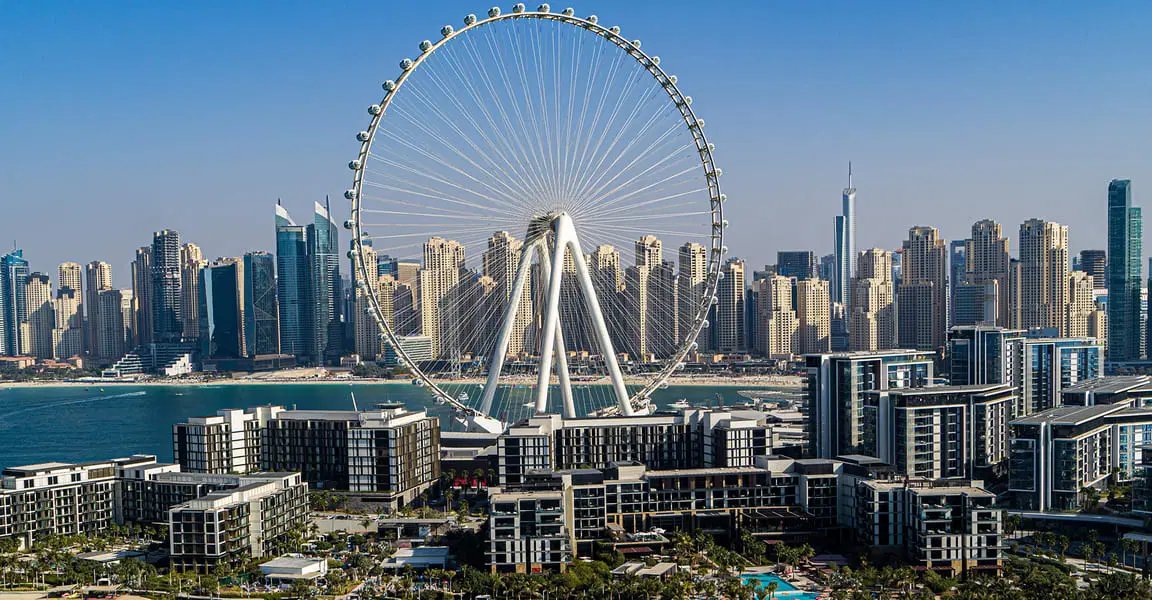
Save the modern waterfront for your last day, and shoot it backwards: start at The View at The Palm in the late afternoon for the only ground-level-accessible shot that shows the Palm’s full shape, then come down to JBR beach for sunset. From the sand you can frame Ain Dubai on Bluewaters Island with the Marina towers behind it, and camels from the beach rides occasionally wander into the foreground.
After dark, walk the Marina promenade. The loop from Marina Mall to the twisted Cayan Tower passes under a dozen bridges, each one a clean reflection shot of the towers in the canal. This is where your tripod earns its keep — two-to-four-second exposures smooth the water and empty the walkways. The Visit Dubai site lists current opening times for The View and Ain Dubai, both of which change seasonally.
Phone Shooters: Three Settings That Matter
Turn on your grid and shoot skylines level. Use night mode on a steady surface rather than handheld where you can. And clean the lens — Dubai’s humidity fogs phone glass within minutes of stepping out of air conditioning, which is the real reason many holiday shots look soft.
Optional Sunrise: Desert, Hatta Sign and Miracle Garden Colour
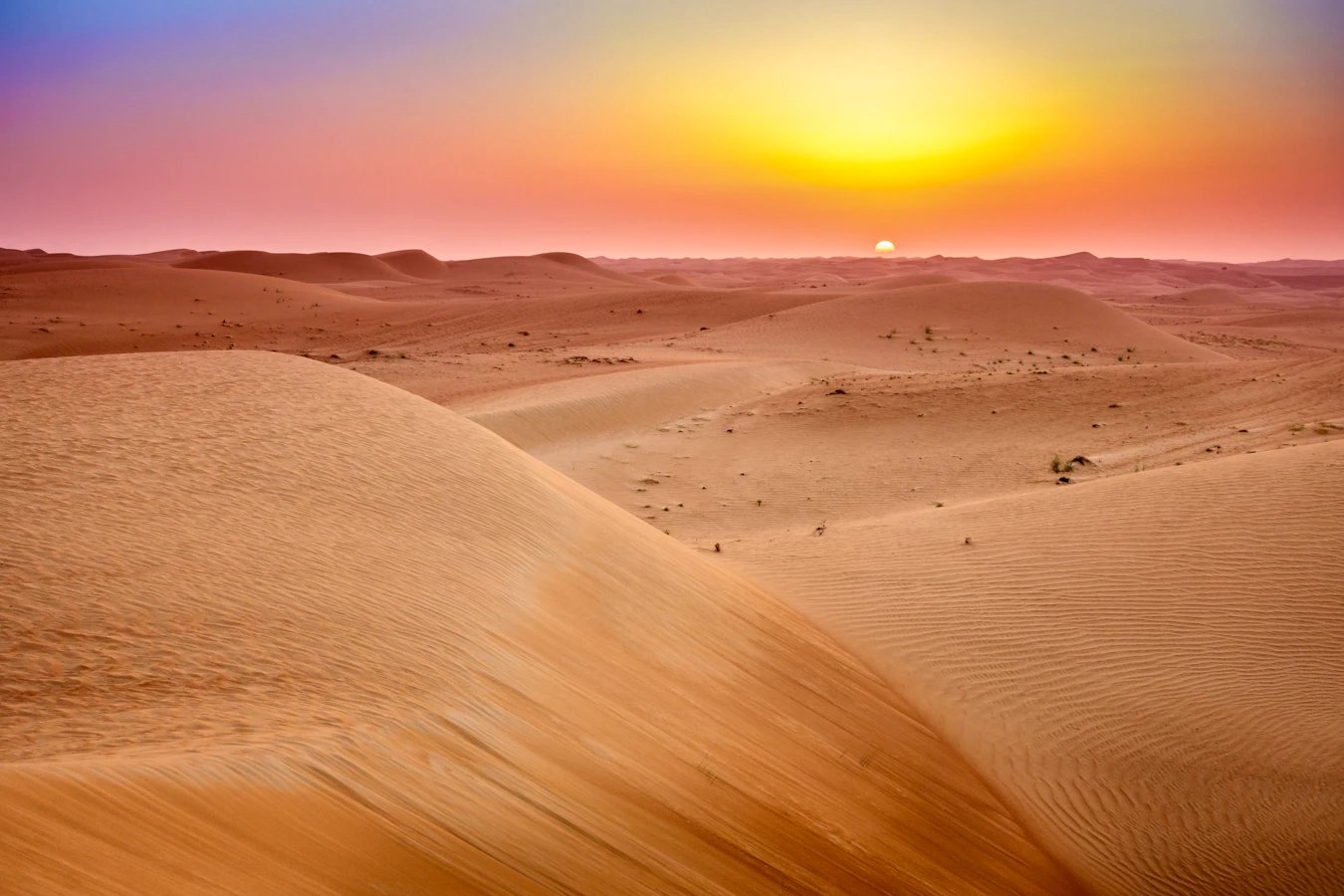
If you have a fourth morning, spend it outside the city grid. The Al Qudra desert road at sunrise gives you rippled dunes, cycling-track silhouettes and, with luck, oryx near the lakes. In the winter season, Dubai Miracle Garden opens mid-morning and its floral tunnels and heart-shaped arches are the most colourful frames in the emirate — go on a weekday at opening time for empty paths. Both trips are easier by car or tour; the RTA journey planner covers the public-transport options that do exist.
Whichever extras you add, keep the rhythm of this itinerary: water and old stone in the mornings, towers at dusk, and the middle of the day for rest. Dubai’s light does the rest.
Frequently Asked Questions
Can I fly a drone for photos in Dubai?
Only with registration and permits from the UAE aviation authorities, and many central areas are no-fly zones. Rules change, so check the GCAA and Dubai Police requirements before travelling with a drone — do not assume a small drone is exempt.
Are tripods allowed at Dubai viewpoints?
On public promenades and beaches, generally yes if you are not blocking paths. Inside paid attractions such as the Burj Khalifa decks and the Dubai Frame, tripods are usually not permitted; a small tabletop tripod or a steady handrail works instead.
What is the best month for photography in Dubai?
November to February: clear air, low sun angles for longer, and comfortable temperatures for dawn starts. Summer offers emptier viewpoints but haze and humidity soften distant skylines.
Can I photograph people and mosques?
Ask before close portraits, never photograph people praying, and follow signage at mosques — most allow exterior photography, while interiors are for worshippers or guided tours such as at Jumeirah Mosque.
0 Comment