

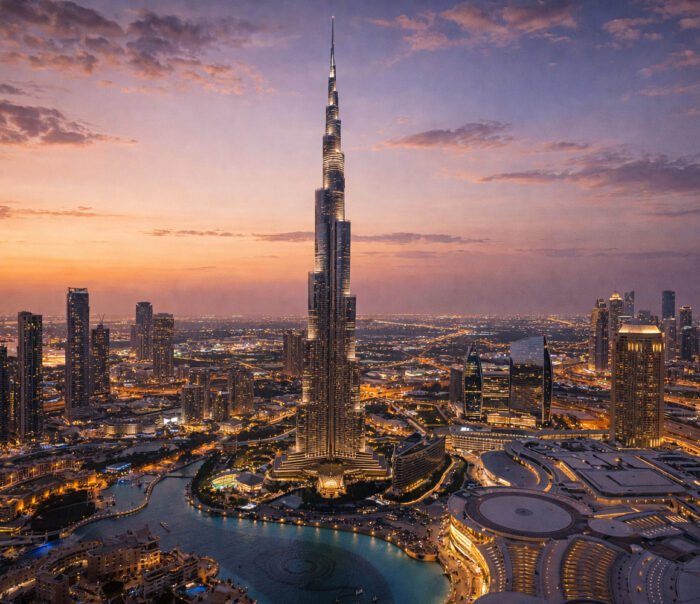

Three days in Dubai is tight, but it’s enough to get a real feel for the city — if you plan it right. This itinerary is built around the two sides of Dubai: the old creek-side city where it all started, and the gleaming new city with the record-breaking towers. Follow it in order and you won’t waste time zigzagging across town, which is the mistake most first-timers make.
A quick note before we start: Dubai is bigger than it looks on a map, and the heat can slow you down. Everything below is paced for a normal traveler, with the hottest part of the day kept indoors. If you want a broader list of things to see, keep our places to visit in Dubai guide open alongside this one.
How This 3-Day Dubai Itinerary Is Planned
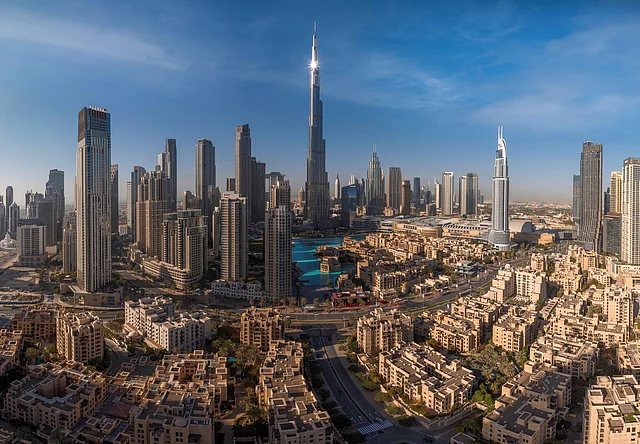
Each day sticks to one area so you spend your time seeing things, not sitting in traffic. Day 1 is Old Dubai around the Creek, Day 2 is Downtown and the modern icons, and Day 3 is the beach plus a desert safari in the evening. Getting between areas is easy on the Metro’s Red Line, which connects most of these stops — grab a Nol card at any station and you’re set. Our Dubai Nol card guide explains the card types and fares, and the official RTA website has current route maps and service updates.
Most visitors land at DXB, and the Metro connects both terminals straight into the city — dubaiairports.ae lists the terminal transport options if you’re arriving late at night.
Where to stay matters more than you’d think on a short trip. For three days, base yourself near Burj Khalifa/Dubai Mall or anywhere along the Red Line between BurJuman and Mall of the Emirates — you’ll cut your commute in half compared to staying out by the Palm.
Timing-wise, the best months for this itinerary are the best time to visit Dubai — November to March — when you can actually walk around comfortably. Summer visits are doable but shift more of the plan indoors and start early.
Day 1: Old Dubai — Souks, Abras, and the Creek
Morning: Al Fahidi and the Spice & Gold Souks
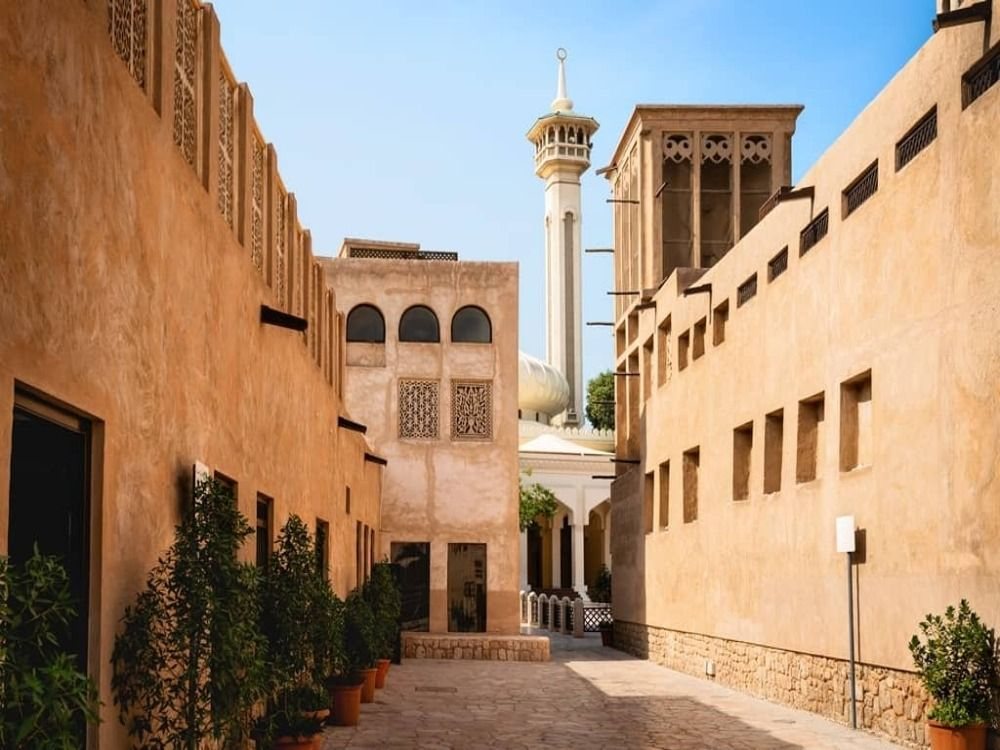
Start in Al Fahidi Historical Neighbourhood, the oldest part of the city, with its wind-tower houses and narrow lanes. Give yourself an hour to wander, then walk to the Al Seef waterfront for a look at how the creek has shaped Dubai’s trading history.
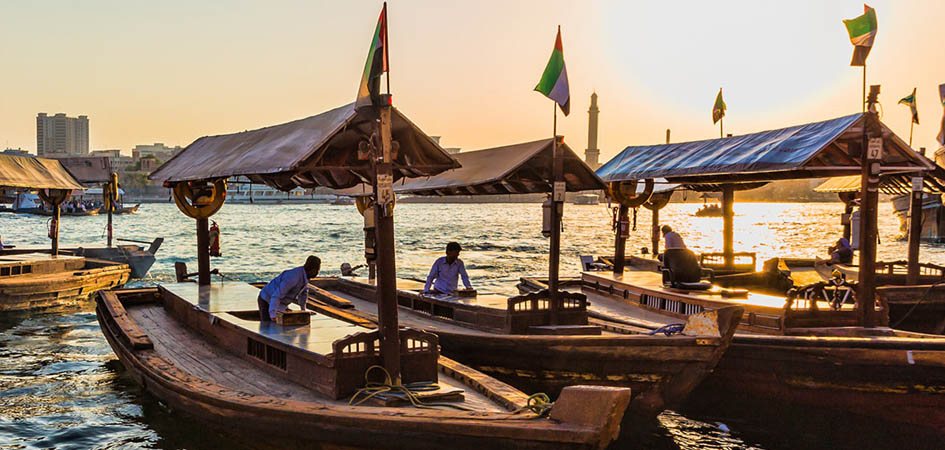
From Al Seef, hop on an abra — the traditional wooden water taxi — for the 1 AED ride across Dubai Creek to Deira. On the Deira side, the Spice Souk and Gold Souk are right there. Even if you’re not buying, the Gold Souk’s window displays are worth seeing, and haggling politely in the Spice Souk is half the fun.
Afternoon: Deira and the Creek
Have lunch in Deira — this is where you’ll find some of the city’s best-value restaurants, from Yemeni mandi to Pakistani curries. Afterwards, stroll along the creek and watch the dhows being loaded. An evening dinner cruise on one of these traditional boats is a classic Dubai experience.
Evening: Al Seef by night
Head back across the creek as the sun sets. Al Seef’s waterfront lights up nicely and the restaurants along the water are a relaxed first-evening dinner spot. Keep it low-key — tomorrow is a big day.
Day 2: The Icons — Burj Khalifa, Dubai Mall, and the Fountains
Morning: Museum of the Future and Downtown
Start the day at the Museum of the Future — book tickets online well in advance, as same-day slots are rare. It’s one of the most distinctive buildings in the world and the exhibits inside are genuinely interesting, not just photo ops. See our Museum of the Future guide for booking tips.
Take the Metro two stops to Burj Khalifa/Dubai Mall station. Have lunch in Dubai Mall — there are hundreds of options, from food-court cheap to fine dining.
Afternoon: At the Top, Burj Khalifa
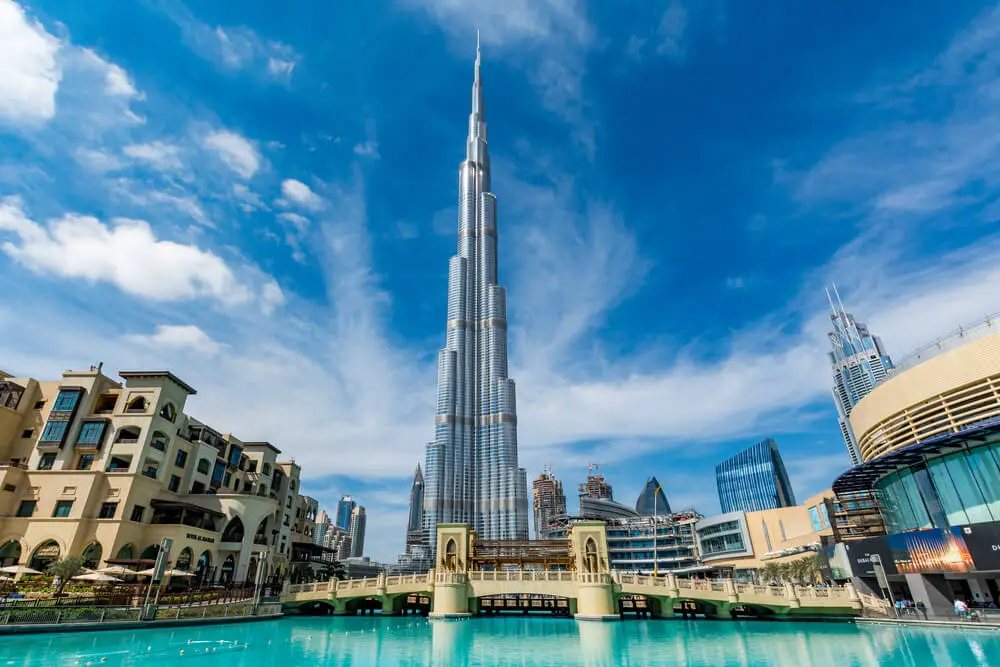
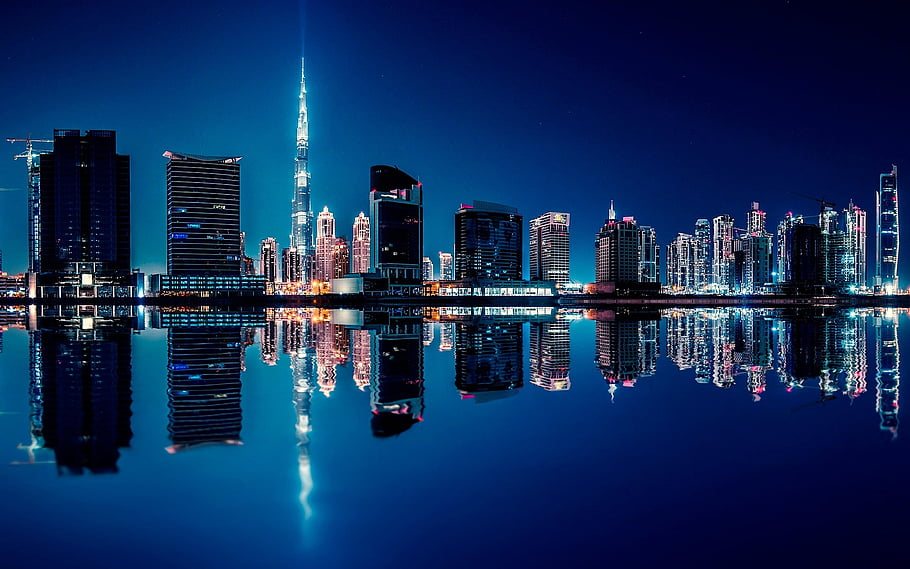
Book the At the Top observation deck for late afternoon so you watch the city shift from day to sunset to night lights from 124 floors up. The 4:30–5:30 PM slots sell out first; midweek is easier than weekends. Afterwards, walk through the Mall’s aquarium tunnel or the ice rink area if you have time to kill before dinner.
Evening: Dubai Fountain and Souk Al Bahar
The Dubai Fountain shows run every 30 minutes from 6 PM. Watch from the waterfront promenade, or better, grab dinner at Souk Al Bahar across the bridge — the terrace restaurants face the fountains directly. Book a terrace table in advance.
Day 3: Beach Morning and a Desert Safari Evening
Morning: JBR and the Marina
Spend the morning at JBR Beach — it’s free, the water is calm, and The Walk behind it has plenty of breakfast spots. If you’d rather see the skyline from the water, the Marina promenade is a 10-minute walk from the beach. Keep the morning slow; you’ll want energy for the afternoon.
Afternoon–Evening: Desert Safari
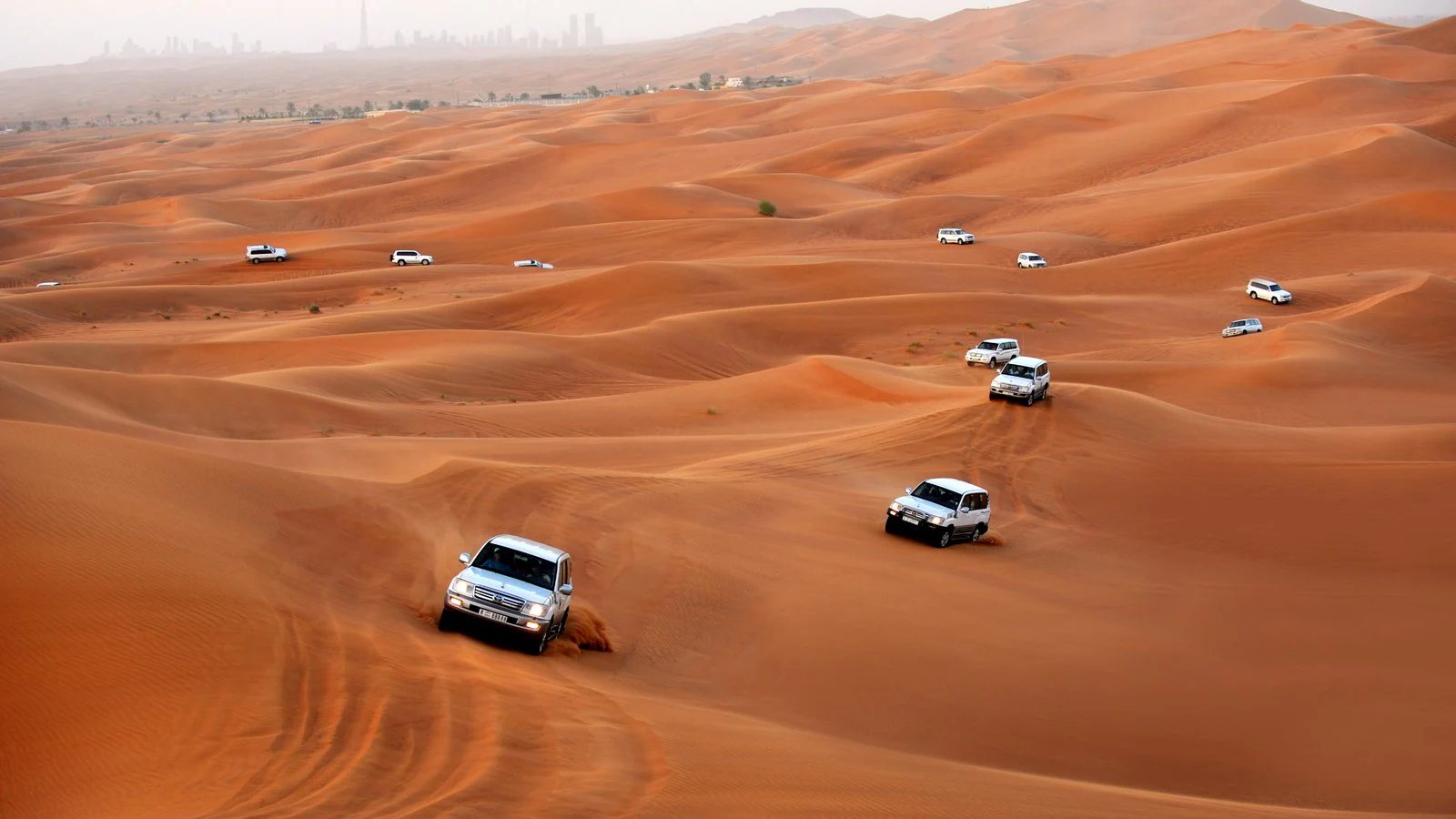
A desert safari is the one excursion almost every first-timer should do. You’ll be picked up around 3–4 PM, drive out to the dunes for dune bashing, try sandboarding, ride a camel, and end the evening at a Bedouin-style camp with dinner and live shows. You’ll be back at your hotel by 9–10 PM. Book with a reputable operator — the cheapest listings often mean overcrowded camps.
Pack light for the safari: the bus does the driving, and you’ll want sunscreen, a hat, and a light jacket in winter months when the desert cools fast after sunset.
Practical Tips for a 3-Day Dubai Trip
- Money: Cards are accepted almost everywhere, but carry some dirhams for abras, souks, and small shops. ATMs are everywhere.
- Dress code: Malls, restaurants, and religious sites expect shoulders and knees covered. Beaches are fine with swimwear, but cover up when you leave the sand.
- Getting around: Metro for the main sights, taxis or ride-hailing for the rest. Avoid driving yourself — parking and navigation eat into a short trip.
- Friday timing: Note that some attractions open later on Friday mornings. Check hours if your Day 1 falls on a Friday.
- Book ahead: Burj Khalifa, Museum of the Future, and the desert safari all need advance booking. These are the three things that sell out. For official attraction hours and seasonal events, visitdubai.com is the city’s official tourism portal.
Food deserves its own plan — Dubai’s dining scene is one of its best features, and three days is just enough to sample it properly. Our Dubai food guide covers where to eat by area and budget.
Frequently Asked Questions
Is 3 days enough for Dubai?
It’s enough to see the highlights — Old Dubai, the Burj Khalifa, a beach, and a desert safari — but you’ll leave with a list of things for next time. If this is your first visit and you only have three days, this itinerary covers what most people come for. Five days lets you add the Marina, Palm Jumeirah, and a day trip.
What is the best area to stay for a 3-day trip?
Downtown Dubai or anywhere along the Metro Red Line between BurJuman and Mall of the Emirates. You’ll be within 20 minutes of almost everything in this itinerary without needing a car.
How much does a 3-day trip to Dubai cost?
A mid-range trip runs roughly 1,500–2,500 AED per person excluding flights and hotel, depending on how many paid attractions you do. The biggest ticket items are Burj Khalifa (around 170–220 AED), Museum of the Future (149 AED), and the desert safari (150–300 AED). Abras, beaches, and the souks cost almost nothing.
Can I do this itinerary in summer?
Yes, with adjustments: start outdoor activities before 10 AM, spend midday in malls and museums, and keep the desert safari only if you can handle the heat — evening temperatures still exceed 40°C in July and August. Winter (November–March) is far more comfortable for this plan.
0 Comment