



Filipino travellers are one of the largest visitor groups in the UAE — and one of the groups that most often gets the visa step wrong. The short version: Philippine passport holders need a visa arranged before they fly to Dubai, unless they hold a valid visa or residence permit from a short list of countries that unlocks visa on arrival. This guide walks through the visa types, the documents, the application routes, what it should cost, and the mistakes that lead to offloading at the airport or a refused application.
For the general rules that apply to all nationalities, start with our Dubai tourist visa guide, then come back here for the Philippines-specific detail.
Do Filipino Citizens Need a Visa for Dubai?
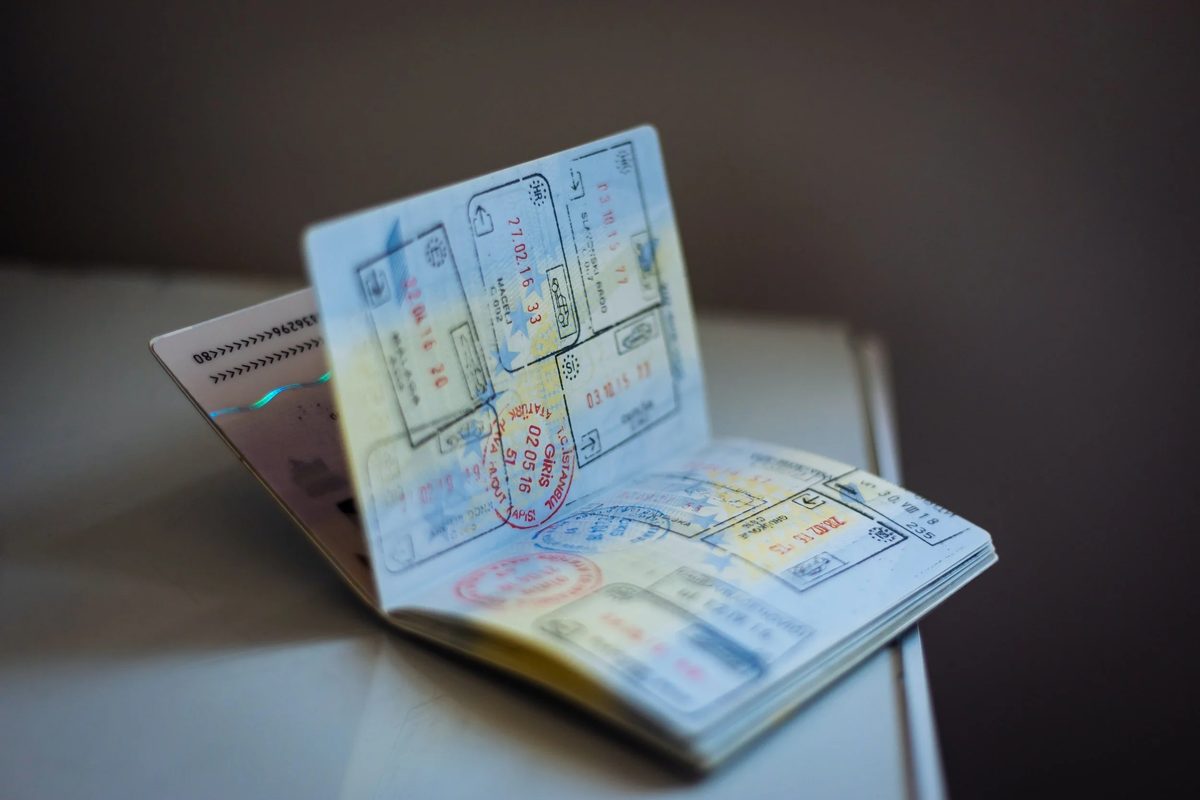
Yes. The Philippines is not on the UAE’s visa-free or standard visa-on-arrival list, so a Filipino tourist must hold an approved UAE tourist visa before boarding. Airlines check this at departure — without a valid visa in the system, you will not be allowed to check in for a Dubai flight from Manila, Cebu, Clark or anywhere else.
The one exception is covered in its own section below: Filipinos who hold a valid visit visa, residence permit or green card from the United States, the United Kingdom, an EU country, or a small group of other countries (reported as including Australia, Canada, Japan, Singapore, South Korea and New Zealand) can receive a visa on arrival. Everyone else applies in advance. Rules on this list have changed before, so confirm your eligibility against an official source before relying on it.
UAE Visa Types Filipinos Can Apply For

The standard tourist options, all issued as electronic visas you receive by email, are:
- 30-day single entry — the most popular choice for a first holiday of one to two weeks.
- 30-day multiple entry — for travellers who plan to leave and re-enter, for example a side trip to Oman.
- 60-day single or multiple entry — better value for long family visits than extending a 30-day visa.
- 48-hour and 96-hour transit visas — only if you are passing through and want to leave the airport; see our transit visa guide.
- 5-year multiple-entry tourist visa — self-sponsored, for frequent visitors who can show a bank balance of around USD 4,000 over the previous six months.
Tourist visas are typically valid for entry within 60 days of issue, and the stay counts from your entry date. Most can be extended from inside the UAE — but extensions cost extra and must be filed before the current visa expires, because overstaying is fined per day (see our guide to UAE visa overstay fines).
The Visa-on-Arrival Exception: US, UK, EU and Other Permits
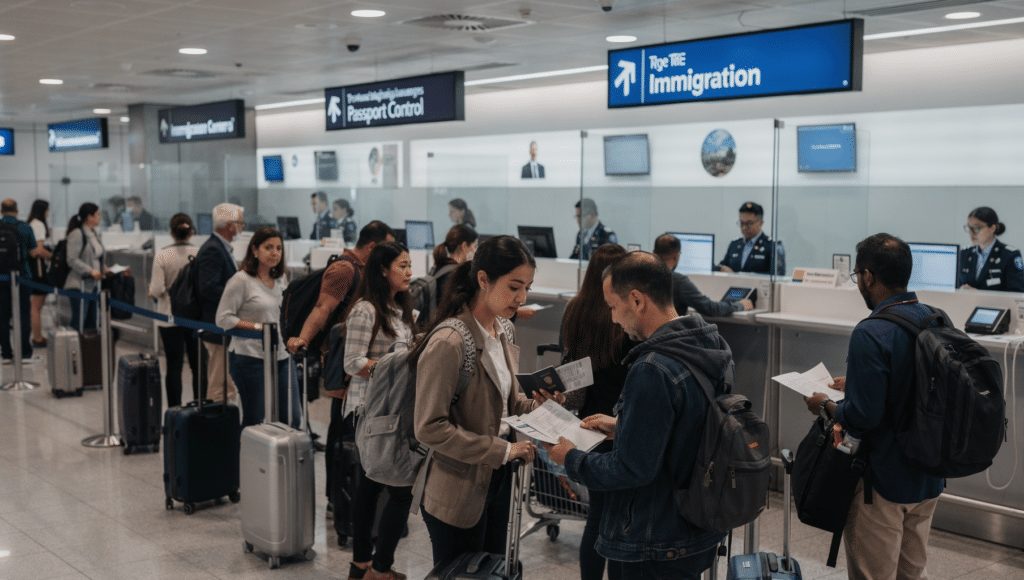
Filipino passport holders who hold a valid visa or residence permit issued by the US, UK, EU member states or certain other countries can get a visa on arrival in the UAE. Philippine and international reporting on the arrangement describes a 14-day entry permit issued at the airport for a fee of around AED 100, extendable once for a similar period (around AED 250), with some reports of a 60-day option around AED 250. Fees and the exact country list are the details most likely to shift, so treat those figures as a guide and verify before you fly — this report from the BusinessMirror explains the eligibility in detail.
Two cautions. First, the qualifying visa must be valid at the time of entry — an expired US visa in an old passport does not count. Second, this exception does not remove the Philippine side of the journey: Filipino travellers leaving the Philippines still pass Philippine immigration, which may ask for the usual supporting documents (return ticket, hotel booking, proof of funds or employment) regardless of how the UAE admits them.
Documents You Need for a UAE Tourist Visa
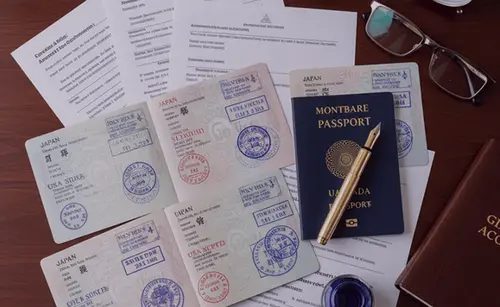
Every application route asks for the same core documents:
- Philippine passport valid for at least six months from your arrival date, with a clear colour scan of the bio page.
- A recent passport-size photograph with a white background.
- Confirmed return or onward flight booking.
- Hotel booking, or the address and documents of the host you are staying with in the UAE.
- Travel or medical insurance valid in the UAE (often bundled by the agency or airline).
Depending on your profile, the sponsor or agency may also ask for supporting evidence — bank statements, a certificate of employment, an approved leave letter, or business registration if you are self-employed. First-time travellers with no travel history are the most likely to be asked for these, and providing them upfront speeds things up. If you are visiting family, your host’s passport, UAE residence visa and Emirates ID copies are usually requested as well.
How to Apply, Step by Step

Filipinos cannot walk into a UAE embassy and apply for a tourist visa — tourist visas are sponsored. The working routes are:
- A UAE airline — if you are flying Emirates, Etihad, flydubai or Air Arabia, their visa services can process your tourist visa with your booking.
- A licensed UAE travel agency or tour company — the most common route; choose one with a verifiable UAE trade licence and reviews, and get the total price (visa + insurance + service fee) in writing before paying.
- A UAE hotel — some hotels sponsor visas for guests with a confirmed stay.
- A UAE resident host — family or friends in the UAE can apply through official channels on your behalf in many cases.
Whichever route you use, the steps are the same: send clear document scans, pay the fee, and wait for the e-visa by email — typically two to five working days for a complete application, though you should apply one to two weeks before departure to leave room for questions. Once it arrives, verify every detail against your passport and track it using the methods in our guide to checking UAE visa status online. Print a copy for check-in. A detailed requirements round-up is also available in this UAE visa guide for Philippine citizens.
Costs, Processing Times and Mistakes to Avoid

The government fee for a 30-day single-entry tourist visa is listed by GDRFA Dubai at around AED 200 (60-day around AED 300), before VAT — but the price you actually pay an airline or agency will be higher once insurance and service fees are added. Quotes in the AED 350–500 range for a standard 30-day visa are common; quotes far below that deserve suspicion, and quotes far above it deserve a second opinion. Compare the full package, not the headline fee, and never pay an individual agent through a personal account.
The mistakes that cause problems are almost always simple: a passport with under six months’ validity, a blurry passport scan, a name spelled differently on the flight booking and the visa, applying too late, or — most serious — travelling on a tourist visa while intending to job-hunt and overstay. Tourist visas do not permit work in the UAE, and overstay fines accrue daily. If your plans change, extend the visa properly or leave on time; our visa on arrival countries guide shows how the UAE treats other nationalities if you are travelling with non-Filipino companions.
Frequently Asked Questions
Can Filipinos get a visa on arrival in Dubai?
Only if they hold a valid visa or residence permit from the US, UK, an EU country, or certain other listed countries. All other Filipino tourists must arrange a visa before travelling.
How long does a Dubai visa take for Filipinos?
Typically two to five working days for a complete application through an airline or licensed agency. Apply one to two weeks before your flight to be safe.
How much is a 30-day Dubai tourist visa for Filipinos?
The base government fee is around AED 200, but the all-in price through an airline or agency, including insurance and service fees, is commonly AED 350–500. Always confirm the total in writing.
Can a Filipino tourist visa be extended?
Yes, most tourist visas can be extended from inside the UAE through the same sponsor or official channels, for a fee, before the current visa expires. Overstaying instead is fined per day.
Do Filipinos need a transit visa for a Dubai layover?
If you stay airside, no. If you want to leave the airport during a long layover, you need a 48-hour or 96-hour transit visa arranged in advance, usually through your airline.
0 Comment