

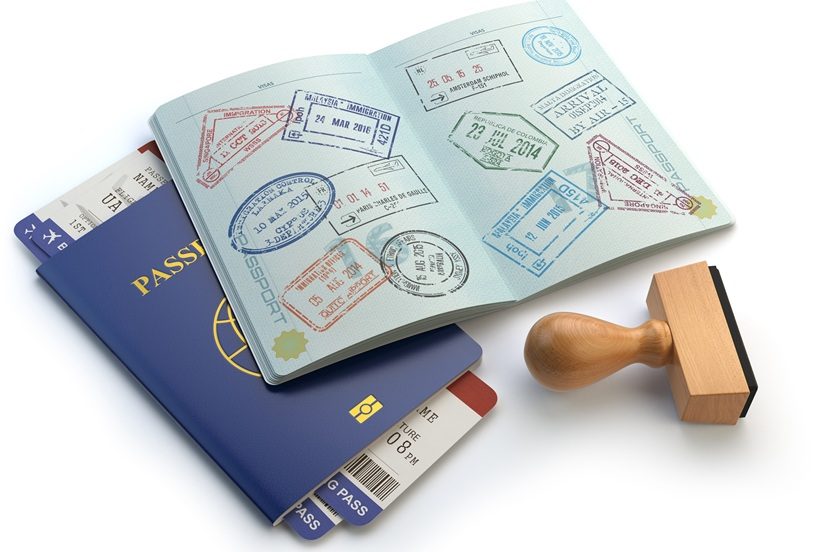

Overstaying a UAE visa is an expensive mistake that builds quietly — AED 50 at a time, every single day, until you try to leave, extend or change your status and the bill appears. The rules are not complicated, but the details matter: when the fine starts depends on your visa type, the amount you owe is whatever is recorded on your official file, and unpaid fines can block future entry. This guide explains the current fine, the grace-period rules, and exactly how to check and pay what you owe through the Federal Authority for Identity, Citizenship, Customs & Port Security (ICP) or Dubai’s GDRFA.
How Much Is the Overstay Fine? The AED 50-a-Day Rule
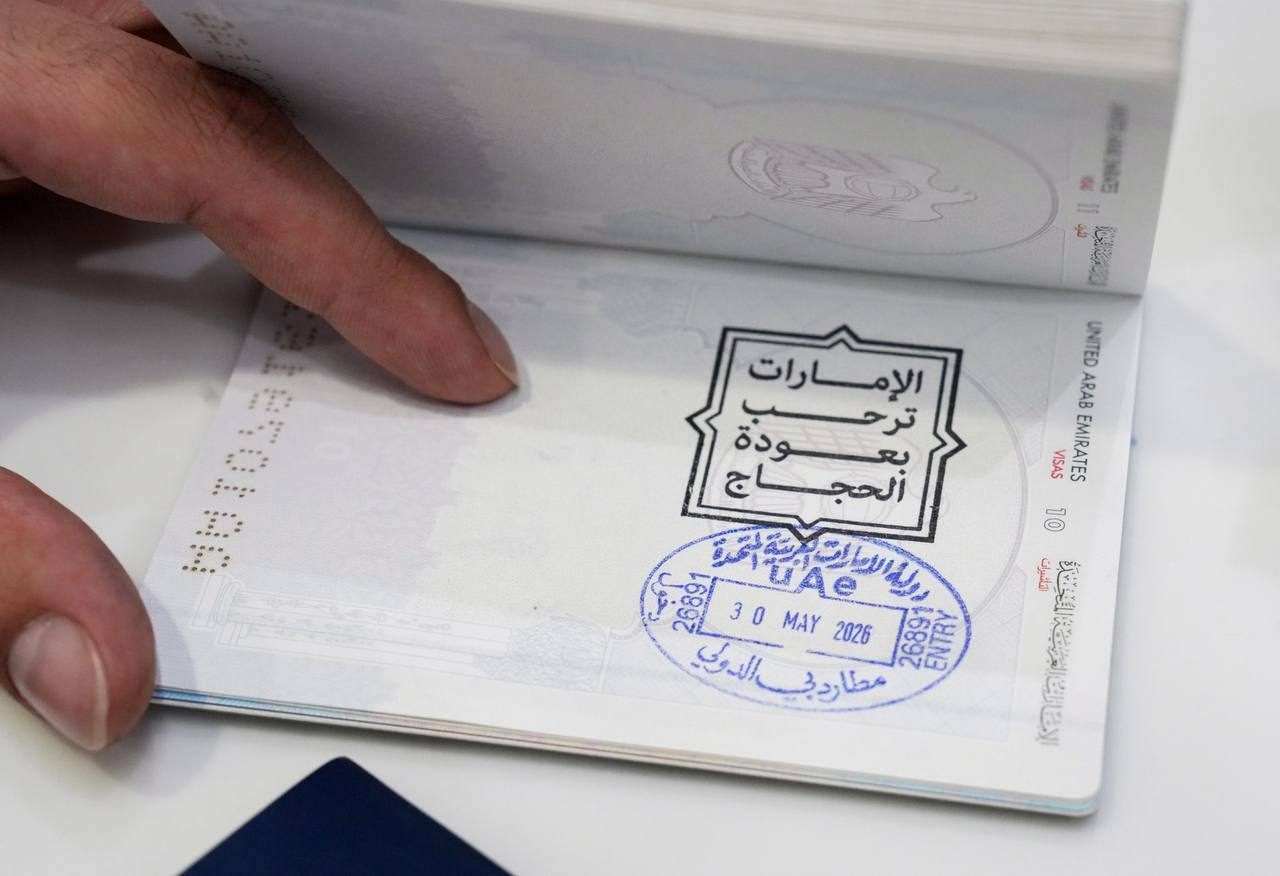
The UAE has standardised overstay fines at AED 50 per day for tourist, visit and residence visas alike — the same rate in every emirate. The maths is blunt: one week costs AED 350, a month AED 1,500, and three months AED 4,500, before any service or exit-permit charges. There is no cap, and the fine keeps running until you leave the country, extend legally, or change status.
On top of the daily fine, expect smaller administrative costs when you settle: smart-services and processing fees (commonly around AED 100), and, if you are leaving on an expired permit, an exit permit (sometimes called an out pass) that travel agents and Amer centres typically quote in the AED 250–300 range. Because add-on fees change, treat any total as final only when it appears on your ICP or GDRFA file — that figure, not an agent’s estimate, is what you must clear. If you are still planning your stay, our Dubai tourist visa guide explains visa types and durations so you can avoid this page becoming relevant at all.
When Do Fines Start? Grace Periods by Visa Type

This is where most overstays happen, because people assume a grace period that does not exist. For tourist and visit visas, there is generally no grace period: the fine starts on the first day after your permitted stay ends. Your permitted stay is counted from the day you entered — a 30-day tourist visa means 30 days from entry, not a calendar month — and the expiry shown on your file is a hard deadline.
Residence visas are different. When a residence permit expires or is cancelled, the holder gets a grace period to renew, change status or leave, and the length depends on the category — from around 30 days up to 180 days for categories such as Golden, Green and certain skilled or sponsored residents. Fines for residents begin only after that grace period ends. Visa-on-arrival visitors should not assume extra days either: check the stay stamped or recorded for your nationality, and treat it as final unless the official portal shows otherwise.
Rules have been adjusted in exceptional situations in the past (for example, during widespread flight disruption), which is exactly why you should verify your own position rather than rely on a friend’s experience from a different year. The authoritative check is your file on the ICP or GDRFA system — the next section shows how. If your visa is about to expire, our guide to transit visas is not the answer — you need an extension or an exit, covered below.
How to Check Your Fine on ICP and GDRFA

If your visa was issued in Abu Dhabi, Sharjah, Ajman, Ras Al Khaimah, Fujairah or Umm Al Quwain, your file sits with the ICP. Use the ICP Smart Services portal or the UAEICP app: the fines inquiry service lets you search by passport or file number and shows outstanding fines linked to your record. The ICP call centre (600 522 222) can confirm details if the portal result is unclear.
If your visa was issued in Dubai, check with the GDRFA instead — through the GDRFA Dubai website or app, or in person at an Amer centre, where staff can print your fine position and explain your options. Amer centres are also the practical route if your case is messy (an old absconding report, a lost passport, a visa issued by an agent who has vanished). Keep your passport number, entry permit or visa file number, and entry date ready; those three details unlock almost every inquiry.
Not sure when your stay actually ends? Check your visa status first — it shows your recorded expiry, which is the date the fine clock is measured against. Do not rely on counting days from a boarding pass alone, especially if you entered through a smart gate and have no stamp.
How to Pay Your Fine: Online, at Amer, or at the Airport

Online: fines on federal files can be paid through the ICP portal or app with a bank card once you have located your record. Dubai files can be settled through GDRFA channels. Paying online before departure is the calmest option, and you receive a receipt — save it; you may be asked for it at check-in or immigration.
In person: Amer centres in Dubai and ICP customer happiness centres elsewhere can take payment and, importantly, fix the underlying status problem at the same visit — for example, issuing an exit permit or processing a status change so the fine stops growing. Typing centres and travel agencies can submit applications on your behalf for a service fee, but the fine itself must clear on the official system; get the official receipt, not just the agent’s invoice.
At the airport: immigration at DXB and other UAE airports can collect overstay fines at departure. It works, but it is the worst place to discover a large balance: allow substantial extra time, carry a payment card rather than relying on cash, and expect the process to involve a side office rather than the normal queue. Leaving on a cancelled or expired residence permit may also require the exit permit to be arranged first. Our DXB airport guide explains the departure layout so you at least know where you are going.
What Happens If You Don’t Pay? Blocks, Bans and Bigger Problems

You cannot simply outrun the system. Unpaid fines remain attached to your passport record: they surface when you apply for a new visa, attempt to re-enter, or are sponsored for employment, and they usually must be cleared — with the amount still calculated to your departure or regularisation date — before any new status is granted. Long overstays can also lead to being flagged in the immigration system, which may mean additional scrutiny or refusal of future entry permits, decided case by case.
Working while on a tourist or visit visa, or staying after an absconding report has been filed by a sponsor or agent, is a more serious category than a simple overstay and can carry legal consequences beyond fines. If your situation involves any of those elements — or an overstay measured in months — skip the DIY route and take advice: an Amer centre for a straightforward reading of your file, and a UAE immigration lawyer for anything involving bans, reports or disputes. General official guidance is published on the UAE Government portal, and amnesty programmes, when the government occasionally announces them, are the one legitimate route that can reduce or waive fines — never pay a stranger who promises the same effect privately.
How to Avoid Overstaying: Extend, Exit or Change Status in Time

Extend: many tourist visas can be extended from inside the UAE without leaving, typically for 30 days at a time, through the ICP or GDRFA, an Amer centre, or the airline/agent who issued your visa. Government fees for an extension start from around AED 600 plus VAT and service charges, so an in-country extension usually costs noticeably more in total — still far less than a month of fines plus the risk attached. Apply several days before expiry, not on the final afternoon.
Exit and re-enter: some visitors leave and return on a new visa (the traditional “visa run”), but eligibility depends on your nationality and current rules, and airport-to-airport status changes have been restricted at times. Confirm the current position for your passport before booking anything. Change status: if you have found a job or a sponsor, the status change must be processed while your current permit is still valid or within its rules — tell your new sponsor your exact expiry date on day one.
And build the habit that prevents all of this: the day you arrive, put your visa expiry in your phone calendar with alerts at seven days and two days before. Travellers rarely overstay on purpose; they overstay because a 30-day stay feels like “about a month” until it suddenly is not.
Frequently Asked Questions
How much is the UAE overstay fine per day?
AED 50 per day, standardised across tourist, visit and residence visas and across all emirates. Extra service fees and, where needed, an exit permit fee are added when you settle.
Is there a grace period after a tourist visa expires?
Generally no. For tourist and visit visas, fines start the day after your permitted stay ends. Residence permits have category-based grace periods of roughly 30 to 180 days after expiry or cancellation.
Can I pay my overstay fine at Dubai Airport?
Yes, immigration can collect fines at departure, but it adds time and stress. Checking and paying in advance through ICP, GDRFA or an Amer centre is safer — and keep the receipt for check-in.
Can I extend my tourist visa instead of overstaying?
Usually yes. Many tourist visas can be extended in-country via ICP/GDRFA, an Amer centre, your airline or your issuing agent, starting from around AED 600 plus VAT and service fees. Apply before the expiry date.
Will an overstay stop me visiting the UAE again?
Unpaid fines stay on your record and must be cleared before new visas or entry are processed. Long or repeated overstays can lead to extra scrutiny or refusal, decided case by case — a short overstay paid promptly is the least damaging outcome.
0 Comment