
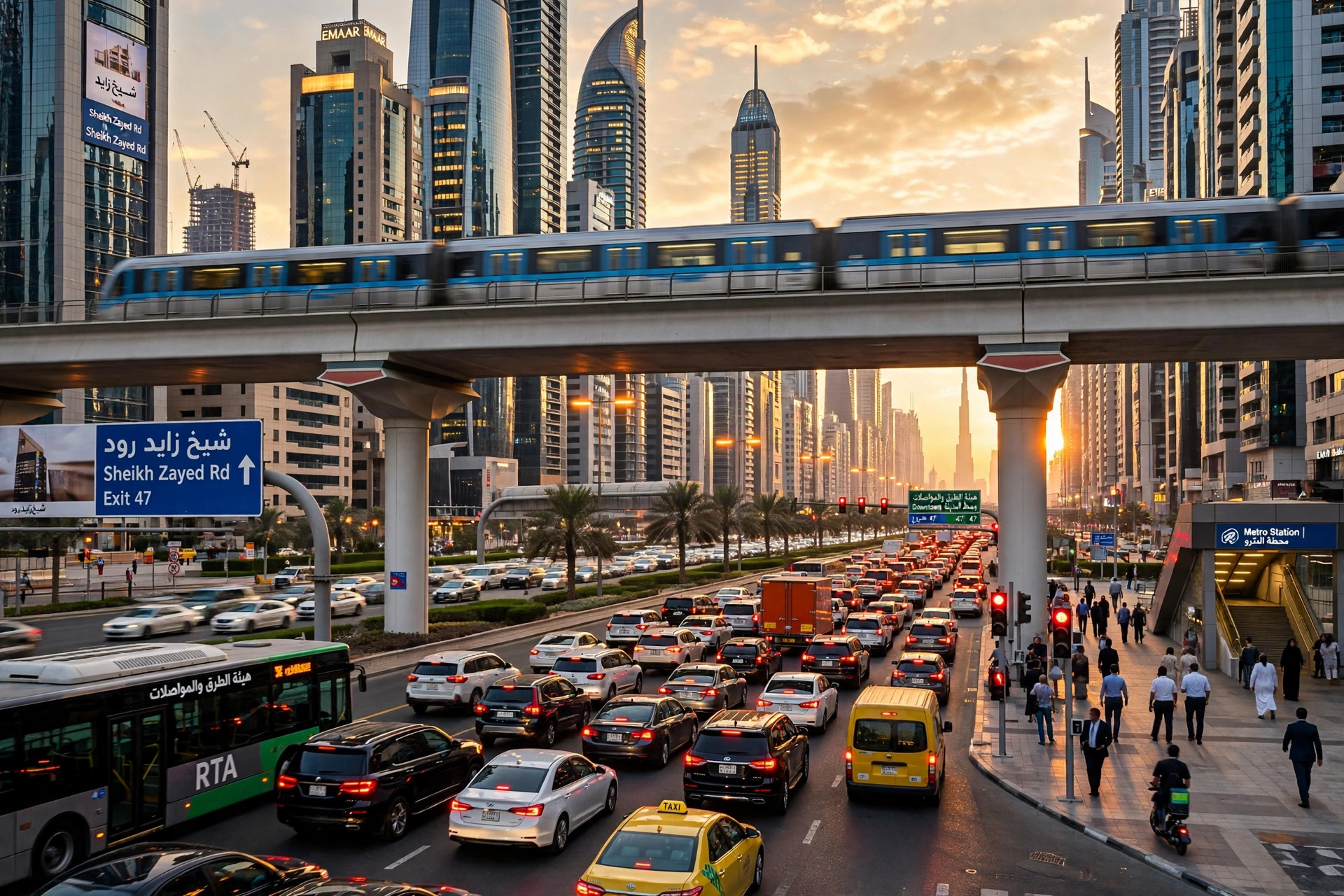

Dubai is filling up fast. Newly reported official figures put the emirate’s population at 4.58 million at the end of 2025 — 332,000 more residents than a year earlier, a year-on-year jump of 7.5%. And the growth hasn’t slowed: recent reporting suggests the city is now closing in on 4.8 million people. For anyone planning a visit, the takeaway is straightforward: expect a busier, buzzier city than even twelve months ago — and plan your days accordingly.
The numbers behind the boom
The year-end figures come from the Dubai Data and Statistics Establishment, cited by the Dubai Media Office: 4.58 million residents at the close of 2025, up 332,000 — or 7.5% — on the previous year. The story since then has been more dramatic still. The National reported in August 2026 that the population dipped by about 61,000 in March 2026, at the height of the Iran war, falling to 4.65 million — then rebounded to 4.74 million by the end of June. That is 157,000 more people than at the start of 2026, with nearly 40,000 added in June alone. A Gulf News graphic published on September 29, 2026, put the city at 4.8 million after an increase of 226,885 during 2026.
One caution: Dubai’s official population counter moves daily, so any headline figure is best read as a near-real-time estimate rather than a fixed, verified total. Framed conservatively, the emirate is closing in on 4.8 million residents — and adding people at a pace few cities on earth can match. It is one more entry in a long list of surprising facts about Dubai for first-time visitors.
What a busier city means for your visit
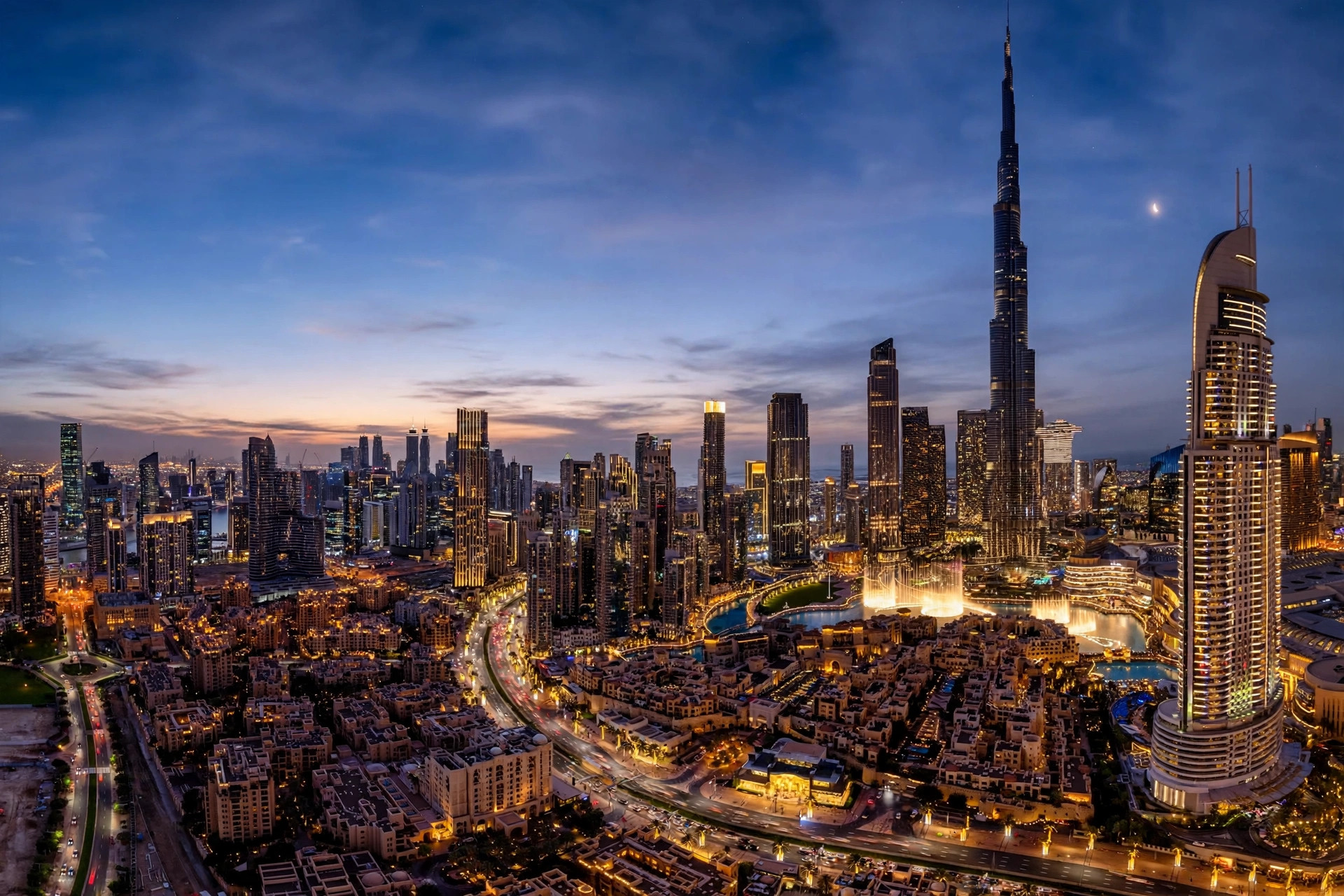
More residents means fuller roads, fuller malls and fuller metro carriages. None of this should put you off a trip — Dubai is built for crowds — but it does change how you should plan one.
1. Rush hour takes real planning
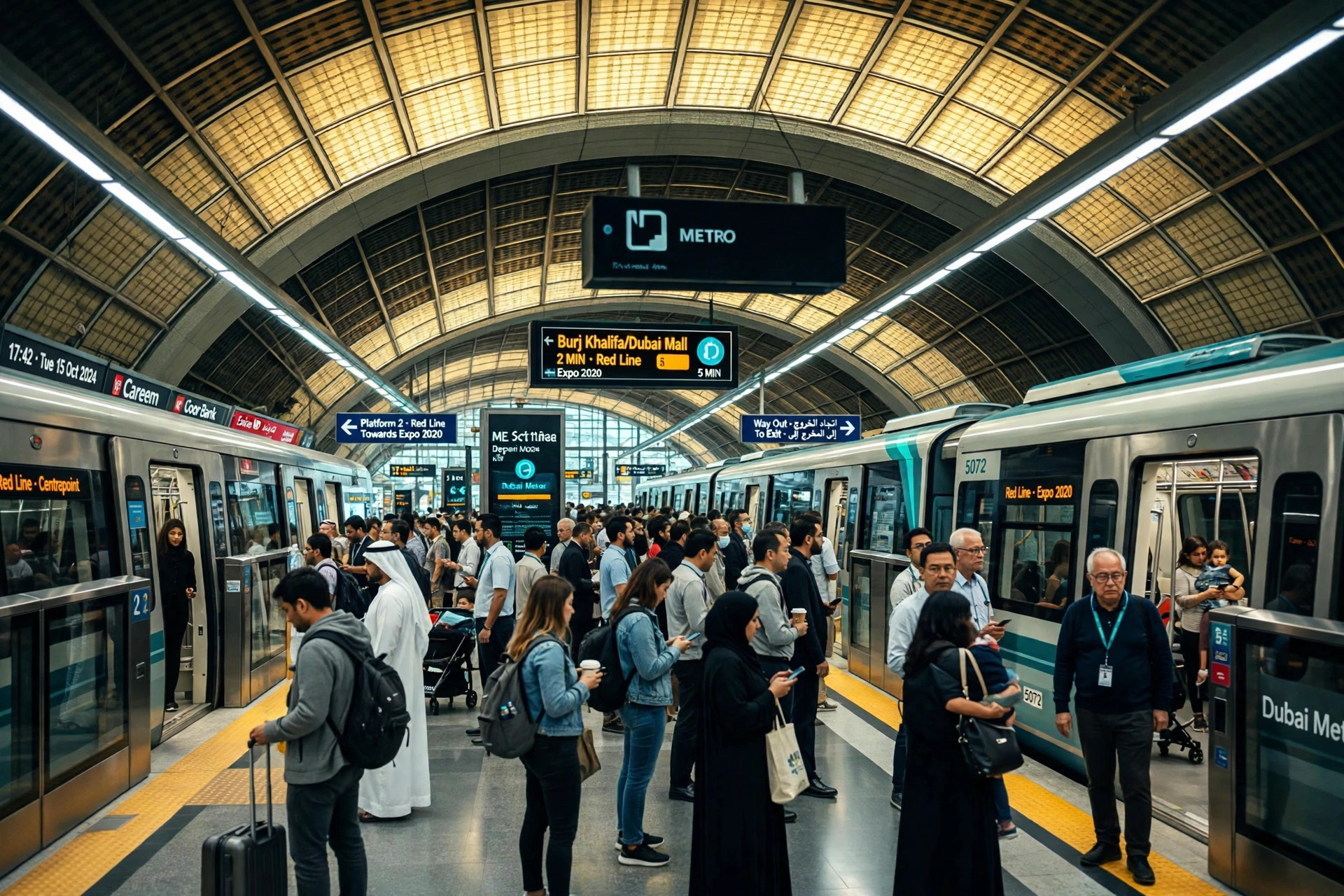
With the population rising, peak-hour traffic on corridors like Sheikh Zayed Road is heavier than ever. Build buffer time into any journey between 7–10am and 5–8pm, and lean on the metro and tram for the busiest routes — they bypass the congestion entirely. Our round-up of the cheapest ways to get around Dubai compares every option, while the Dubai Metro guide covers lines, fares and timings.
2. Book your stay — and your plans — earlier
Population growth has gone hand in hand with stronger hotel demand, especially on weekends and during events season. The best-located hotels now sell out well ahead of time. Reserve your room as soon as your dates are fixed, and pre-book the experiences that have limited daily capacity — observation decks, desert safaris and popular restaurant slots fill up fast. Check the best time to visit Dubai to weigh prices and crowds by season.
3. Expect packed malls, beaches and attractions
Weekend evenings at the big malls, Friday brunches and sunset hours at Kite Beach or JBR draw serious crowds in a city of nearly five million. Go early, book restaurant tables ahead, and use off-peak hours — weekday mornings — for the most popular sights. The city rewards visitors who plan around its rhythms.
Frequently asked questions
Short answer: Dubai had 4.58 million residents at the end of 2025, and recent reporting puts the figure at close to 4.8 million. The population dipped briefly in March 2026 and then rebounded strongly.
How many people live in Dubai?
Official data from the Dubai Data and Statistics Establishment puts the emirate’s population at 4.58 million at the end of 2025. Reporting in 2026 has the city closing in on 4.8 million, though the official counter updates daily, so treat the figure as a live estimate.
Why did Dubai’s population dip in early 2026?
The National reported a drop of about 61,000 in March 2026, at the height of the Iran war — the most likely explanation is that some residents and visitors left the region temporarily during the conflict. No official cause has been stated in detail, and the population has since rebounded past its previous level.
Is Dubai’s population still growing?
Yes. After the March 2026 dip to 4.65 million, the count reached 4.74 million by the end of June, with nearly 40,000 people added in June alone — and a September 2026 graphic put the city at 4.8 million.
Does the population growth affect tourists?
Mainly in practical ways: heavier rush-hour traffic, stronger hotel demand on weekends, and busier malls and attractions. Book transport, stays and timed experiences ahead, and use the metro to skip the congestion.
0 Comment