

A desert safari is one of the few Dubai experiences where the price you pay and the trip you get can look wildly different from one booking to the next. One traveller pays AED 80 for an evening that includes dune bashing, a camel ride, a BBQ dinner and live shows; another pays five times that for what sounds like the same tour. Both can be real prices — the difference sits in the camp, the group size, the vehicle and a long list of small inclusions you only notice once you are there.
This guide breaks down what desert safaris in Dubai typically cost in 2026, tier by tier: basic evening safaris, premium and VIP options, morning safaris, private and luxury tours, and overnight trips. Every figure below is a typical range drawn from current operator pricing — rates shift with season, demand and special offers, so treat these as realistic ballparks and always check the live price when you book. If you are still costing out the whole holiday, our Dubai trip cost breakdown puts safari prices in the context of flights, hotels and everything else.
Desert Safari Prices at a Glance
Before the detail, here is the quick version. These are typical per-person ranges for shared tours departing from Dubai, based on 2026 operator pricing:
| Safari type | Typical price (per person) | Duration |
|---|---|---|
| Basic shared evening safari | AED 80–150 | ~6 hours |
| Premium / VIP evening safari | AED 150–400 | ~6–7 hours |
| Morning safari | AED 100–250 | ~4–5 hours |
| Overnight safari (standard) | AED 250–600 | ~18 hours |
| Overnight safari (luxury) | AED 850–2,000+ | ~18–24 hours |
| Private safari (per vehicle) | AED 600–1,500 | ~6–7 hours |
| Luxury private / eco safari | AED 800–2,500+ | Full day |
Children under three usually go free, and children roughly aged 3–11 typically get a discount of around 10–20%, though the exact cut varies by operator. Summer prices (roughly May to September) are often 10–15% lower, while the peak window from around 20 December to early January can carry a premium of 15–20%. Most reputable operators include hotel pickup and drop-off in the quoted price — if pickup costs extra, treat that as a warning sign.
Where the dunes are matters too. Many tours head to the Lahbab red dunes or the Al Awir and Al Faqa areas, each with slightly different camp setups — see our guide to desert safari locations for how the main spots compare.
The Basic Evening Safari: What AED 80–150 Gets You
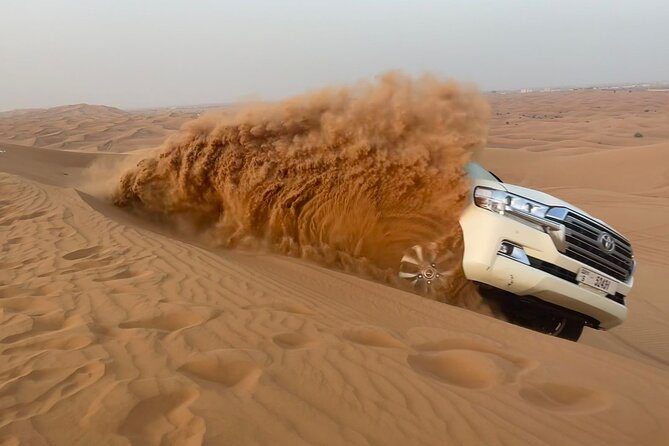
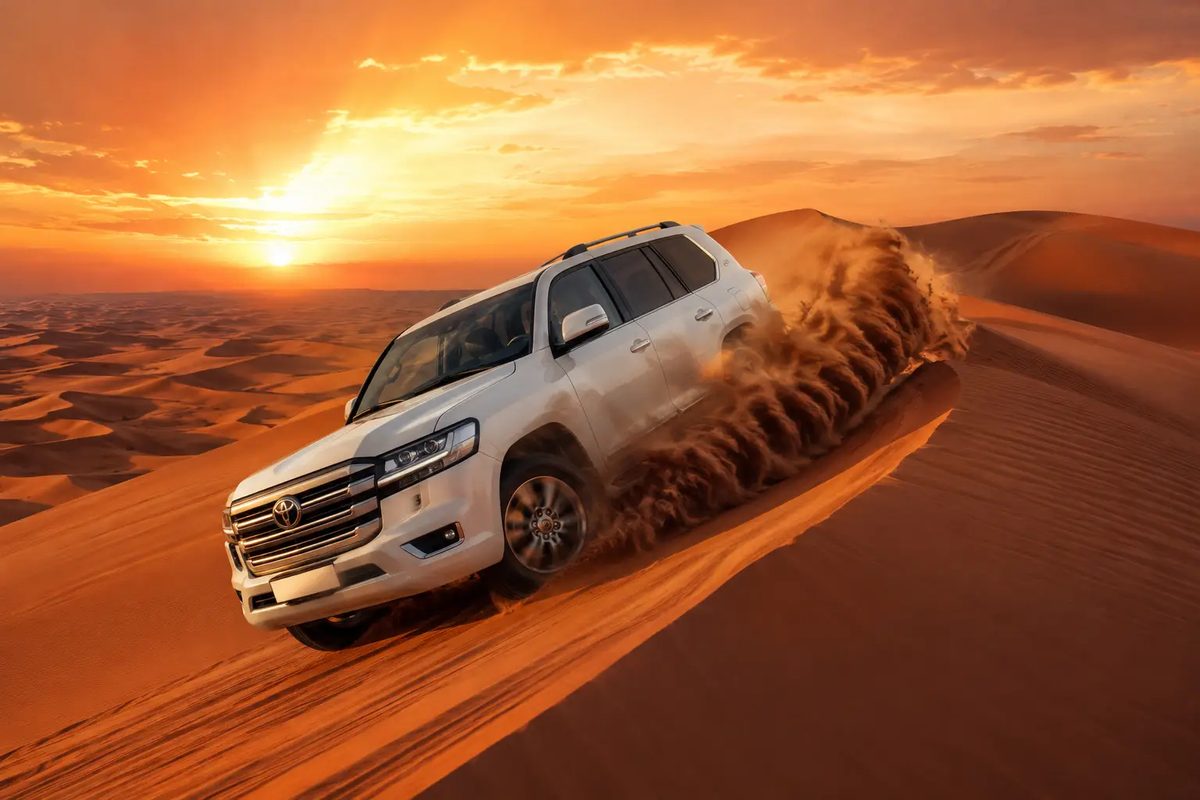
The basic evening safari is the classic Dubai desert trip and by far the most popular. It usually runs from around 3:00–3:30 PM to about 9:00–9:30 PM and follows a well-worn rhythm: hotel pickup in a shared 4×4 (typically six guests per vehicle), a stop at a dune ridge for sunset photos, 20–35 minutes of dune bashing, then an evening at a desert camp.
What is normally included
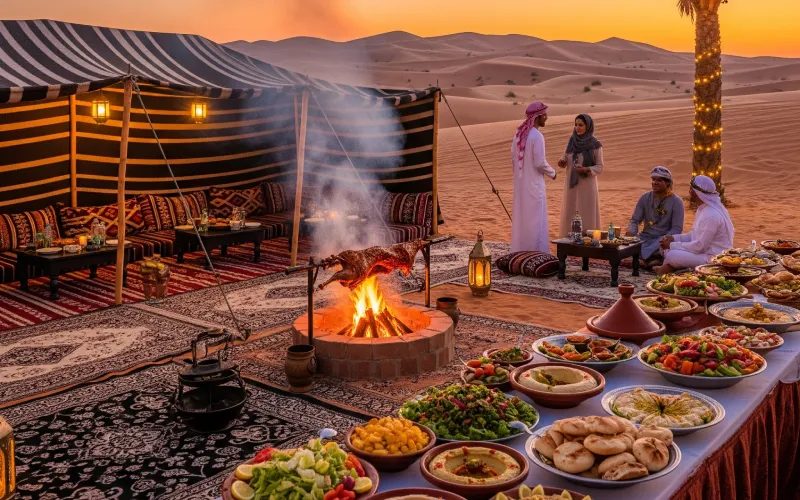
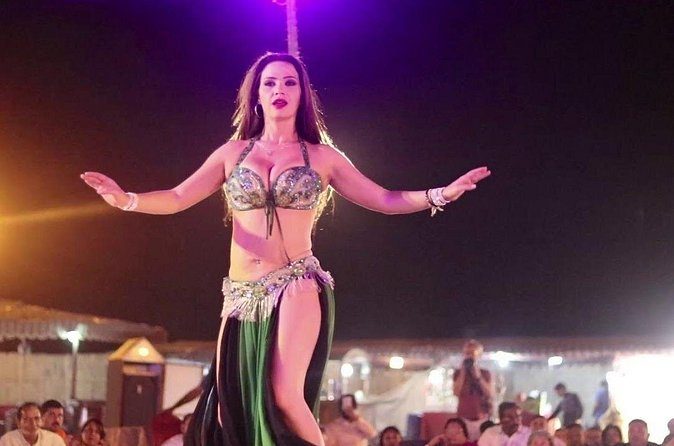
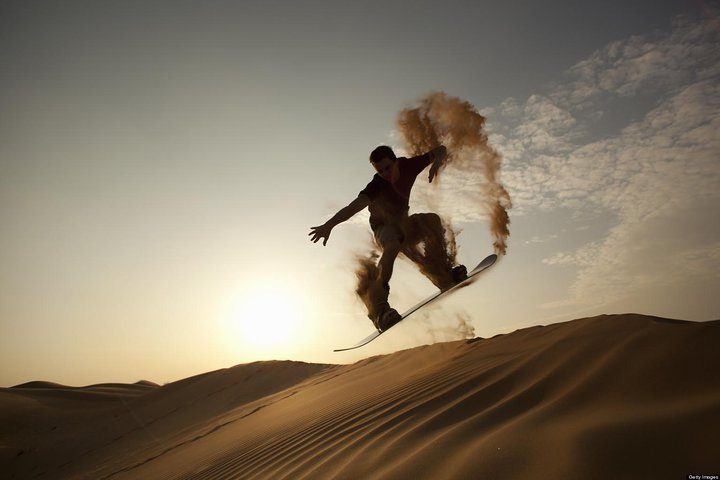
At this tier, the standard package typically covers dune bashing with a licensed driver, a short camel ride (around 5–10 minutes), sandboarding, henna painting, shisha in a designated area, and an Arabic costume photo stop. The evening centres on a BBQ buffet dinner with vegetarian and non-vegetarian options, unlimited soft drinks, water, tea and Arabic coffee. Entertainment usually means a belly dance show, a Tanoura spinning-dance performance and often a fire show — though during Ramadan dance performances are typically paused, so check what is on before you book.
What to watch out for at this price
The cheapest tours (around AED 80–100) are not scams — they are high-volume operations — but the compromises are real: more guests per vehicle, a shorter dune bashing session, a simpler camp and simpler food, and sometimes pickup from a fixed meeting point rather than your hotel. What should always be included is a DTCM-licensed desert driver — dune bashing is a regulated activity. If a seller cannot tell you whether their drivers are licensed, walk away.
Typical extras sold at camp
Quad biking is the most common add-on and usually costs an extra AED 100–150 for a short session — it is almost never included in the basic tier, whatever the photos suggest. Premium shisha flavours and professional photo packages are also common upsells. Budget travellers can treat these as optional: the core package already covers a full evening. If you are building the rest of your trip around cheap wins too, our Dubai on a budget itinerary shows how to pair a basic safari with free and low-cost days.
Premium and VIP Evening Safaris
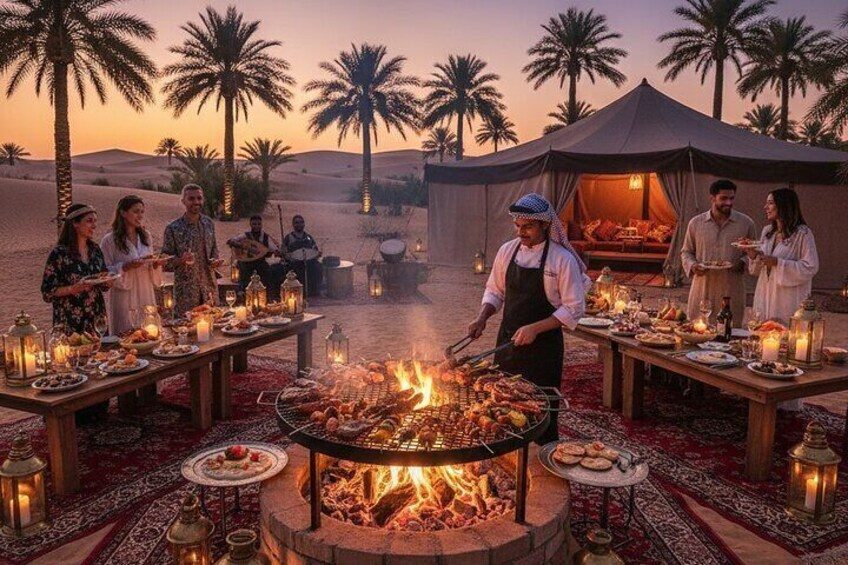
The premium tier (typically AED 150–400 per person) keeps the same bones as the basic safari — dune bashing, sunset, camp, dinner, shows — and upgrades the comfort around it. What you are really paying for is space: fewer guests per vehicle (often four instead of six or seven), a better-maintained camp, and a bigger, better-prepared buffet.
What the extra money buys
Typical premium inclusions include a longer dune bashing session (35–45 minutes), a sunset stop at the taller red dunes, sofa-style seating with table service, a 12-to-18-dish buffet with a live BBQ station, and sometimes a 20–30 minute quad bike session bundled into the price. Some operators add a falcon photography session. Mid-tier “VIP” packages sit around AED 130–260 per person; packages bundling quad biking and photos push towards AED 250–400.
Is the upgrade worth it?
For most people, yes — once. The jump from basic to premium is the single best value step-up in the safari market: a far more comfortable evening for roughly double the basic price. Beyond AED 400, the “royal” or “platinum” packages add diminishing returns — nicer chairs, more dishes, a longer quad session — unless the bundled extras are things you were going to buy anyway. Compare inclusions line by line before upgrading; some operators charge premium prices for a basic camp with sofa seating.
Morning and Overnight Safaris
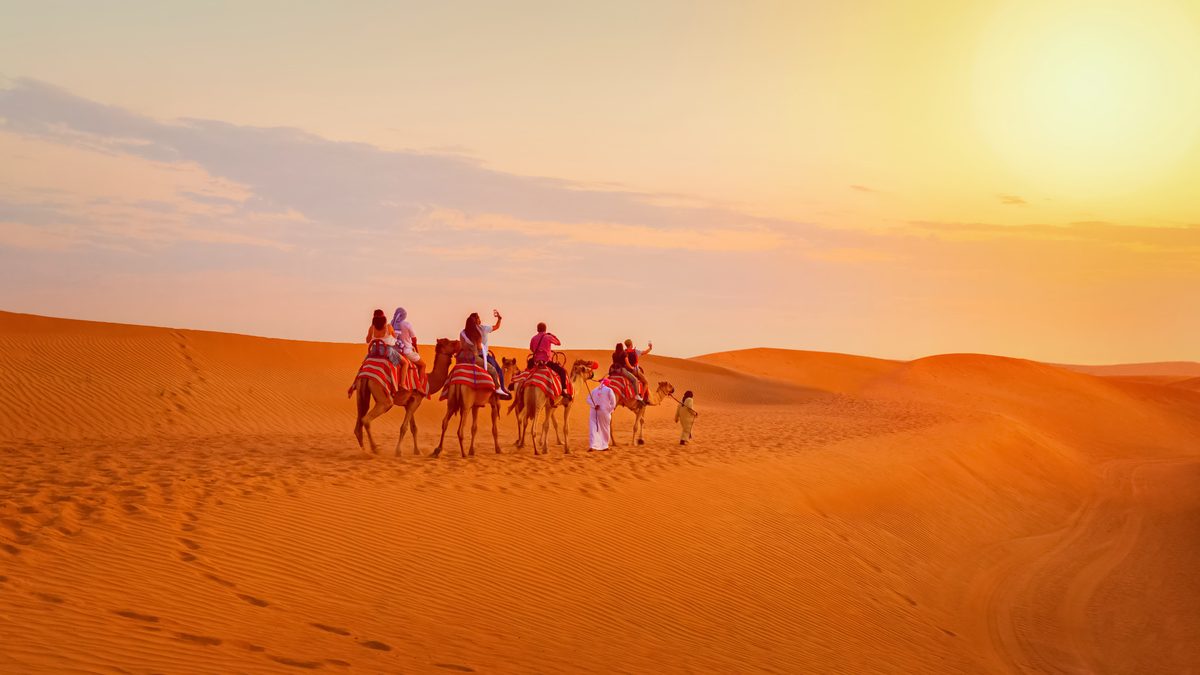
Not every desert trip happens at sunset. The morning safari (typically AED 100–250 per person) is the quicker, cooler option: hotel pickup around sunrise, dune bashing, sandboarding and a camel ride, and you are back at your hotel by mid-morning. There is no camp dinner and no evening entertainment, so the experience is shorter and more activity-focused — ideal if you want your evening free for the city, or if you are pairing the trip with cheap ways to get around Dubai for the rest of the day. Some morning packages bundle a quad bike session, which explains the upper end of the price range.
The overnight safari
The overnight safari (typically AED 250–600 per person at the standard tier) is essentially an evening safari that does not end: same dune bashing, camel ride and camp dinner, plus a night in a desert tent with sleeping bags and blankets, a bonfire, stargazing, and breakfast the next morning. Standard packages use shared Bedouin-style tents; mid-range options around AED 350–500 usually add a private tent with proper bedding. bringing a warm layer between November and March — desert nights get genuinely cold — plus toiletries and a camera.
Luxury overnight safaris are a different category entirely, typically AED 850–2,000+ per person. These can include private air-conditioned tents with real beds, gourmet multi-course dinners, heritage activities like falconry in a protected reserve, sunrise camel treks, and in the most exclusive packages even hot-air balloon flights. If a standard overnight trip feels rushed, the luxury tier’s private setting is the difference that matters most.
Private Safaris and How to Book Smart
A private safari (typically AED 600–1,500 per vehicle, which seats six to seven) means your group gets its own 4×4 and driver for the evening, and often a reserved seating area or private tent at the camp. For a family of six, a private vehicle at AED 999 works out to about the same per person as a basic shared safari — while buying you control over pickup times, a longer dune session and no strangers in the car. Luxury private safaris with premium vehicles (G-Class style), exclusive camps and personalised service run from around AED 800 per person up to AED 2,500+, often with access to protected desert reserves.
Booking tips that actually save money
Book directly with a licensed operator, not through your hotel desk — hotels commonly add AED 50–100 per person as commission. Street touts and random WhatsApp offers are the cheapest-looking and the riskiest: licensed operators quote all-in prices and state inclusions and exclusions before payment. Read recent reviews; look specifically at comments about pickup punctuality, the actual length of the dune bashing, and whether the food matched the promised buffet. Group discounts for ten or more guests are common, so it costs nothing to ask.
Red flags to avoid
- A price that is dramatically below the AED 80 floor — something is being stripped out, often the pickup or the licensed driver.
- Refund policies that do not exist in writing. Reputable operators offer free cancellation with reasonable notice.
- Vague inclusions (“camel ride included”) with no durations. A 3-minute photo stop on a camel is technically a ride.
- Pressure tactics — “today’s price only” is a standard sales line, not a real deadline.
- No mention of the camp location or driver licensing. Both should be answerable in one message.
For broader planning context, the Visit Dubai portal and the UAE government portal are reliable starting points, and the detailed pricing breakdown at Desert Elite Safaris is a useful real-world reference for what each tier includes at current rates.
Frequently Asked Questions
How much does a desert safari in Dubai cost?
A basic shared evening safari typically costs AED 80–150 per person, a premium or VIP evening safari AED 150–400, a morning safari AED 100–250, an overnight safari AED 250–600 (luxury versions AED 850–2,000+), and a private safari AED 600–1,500 per vehicle. Prices are seasonal and vary between operators, so always confirm the current rate when booking.
Is dune bashing safe, and who should skip it?
Dune bashing is done by licensed desert drivers in vehicles fitted with roll cages, and operators run it thousands of times a year without incident. That said, the motion is rough: pregnant travellers, people with back or spinal injuries, anyone with a heart condition, and children under three are advised to skip it. You can usually be taken straight to the camp and enjoy everything else, and some operators sell dedicated no-dune-bashing packages.
What is the difference between a basic and a premium safari?
The core activities — dune bashing, camel ride, sandboarding, dinner, shows — are broadly the same. Premium packages add fewer guests per vehicle, a longer dune session, a better camp with sofa seating and table service, a larger buffet with a live BBQ station, and often bundled extras like quad biking or falcon photography that cost more at the basic tier.
Are quad biking and dune buggies included?
Usually not at the basic tier — a short quad bike session typically costs an extra AED 100–150 at camp. Mid-range premium packages sometimes bundle a 20–30 minute quad ride, and luxury private tours often include buggy or quad sessions as standard. Always confirm in writing before you pay.
When is the cheapest time to book a desert safari?
Summer (roughly May to September) is the cheapest season, with rates often 10–15% below the standard price, and safaris depart a little later to dodge the worst of the heat. The most expensive window is the Christmas–New Year period, roughly 20 December to 10 January, when a 15–20% peak premium is common. Booking directly with the operator and avoiding hotel-desk commissions also keeps the price down.
0 Comment