

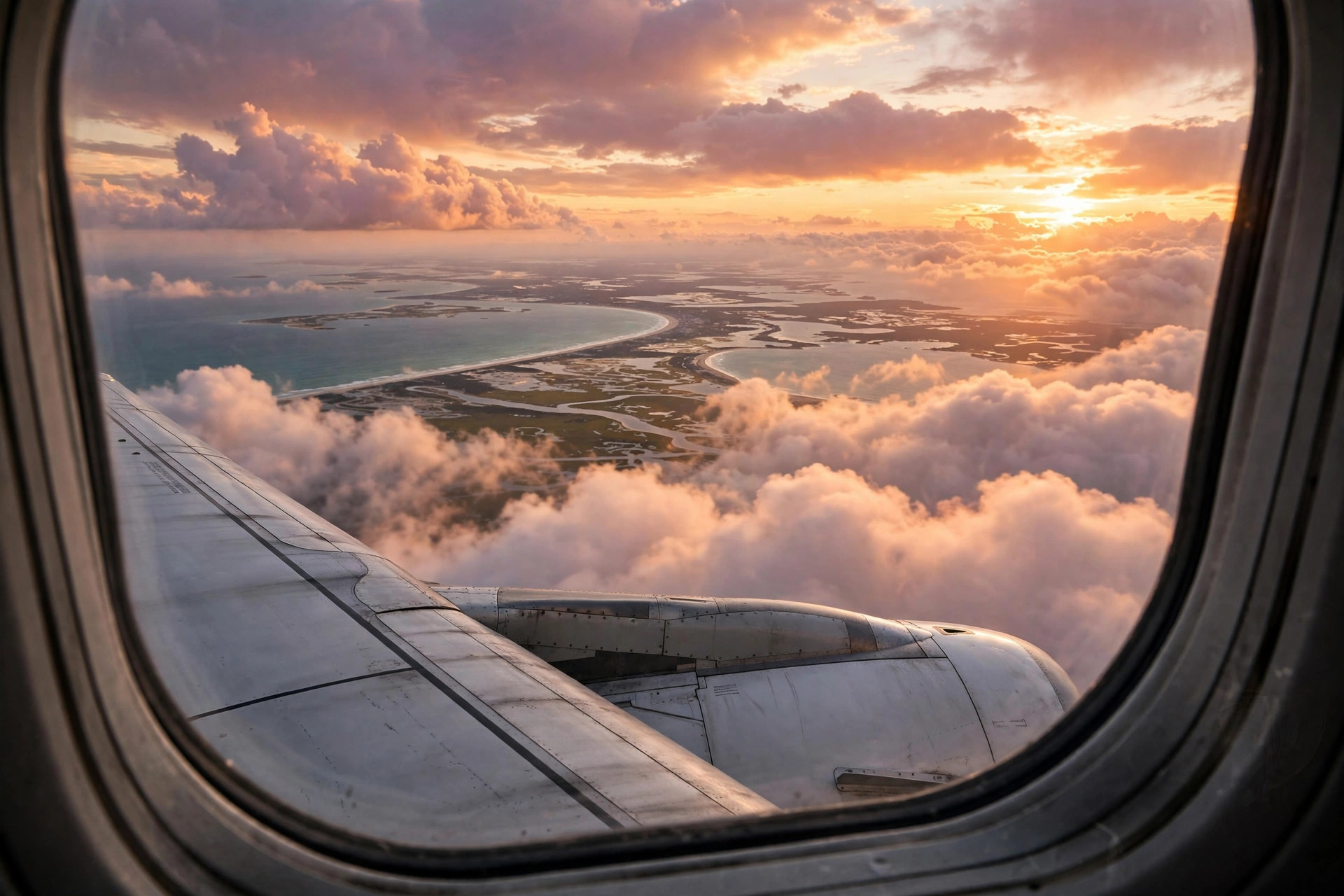

Europe’s aviation safety agency has renewed its warning over Gulf airspace, and travellers booked to or from Dubai in the next six weeks should treat schedules as provisional. The European Union Aviation Safety Agency (EASA) renewed its bulletin on September 30, advising EU-regulated carriers and non-EU airlines authorised to serve Europe to avoid airspace above Gulf waters around the UAE, Bahrain, Kuwait, Oman and Qatar through at least November 16, 2026, citing a high risk to civil flights at all altitudes.
The detail comes from AirHelp’s disruption briefing, which tracks the bulletin against live schedules across Dubai, Abu Dhabi, Doha, Kuwait City, Riyadh and Tel Aviv. It is guidance to airlines, not an airport closure: Dubai International remains open and operating, as the pattern of suspensions and returns in Time Out Dubai’s suspended-flights tracker shows.
What the warning does and does not do
An EASA conflict-zone bulletin does not ban flights. Each airline makes its own risk assessment, which is why carriers are behaving so differently on the same route map: some European groups are returning in late October, others are suspended into November or beyond, and Gulf carriers continue operating with occasional delays and rerouting that lengthens flight times. The bulletin explains the caution behind those decisions and why restart dates keep moving.
For passengers, the practical effect is volatility. Departure times can change after check-in, individual rotations are cancelled with little notice, and routings that avoid restricted airspace take longer. Build slack into connections through DXB this autumn, and keep the airline’s app notifications on from booking to boarding.
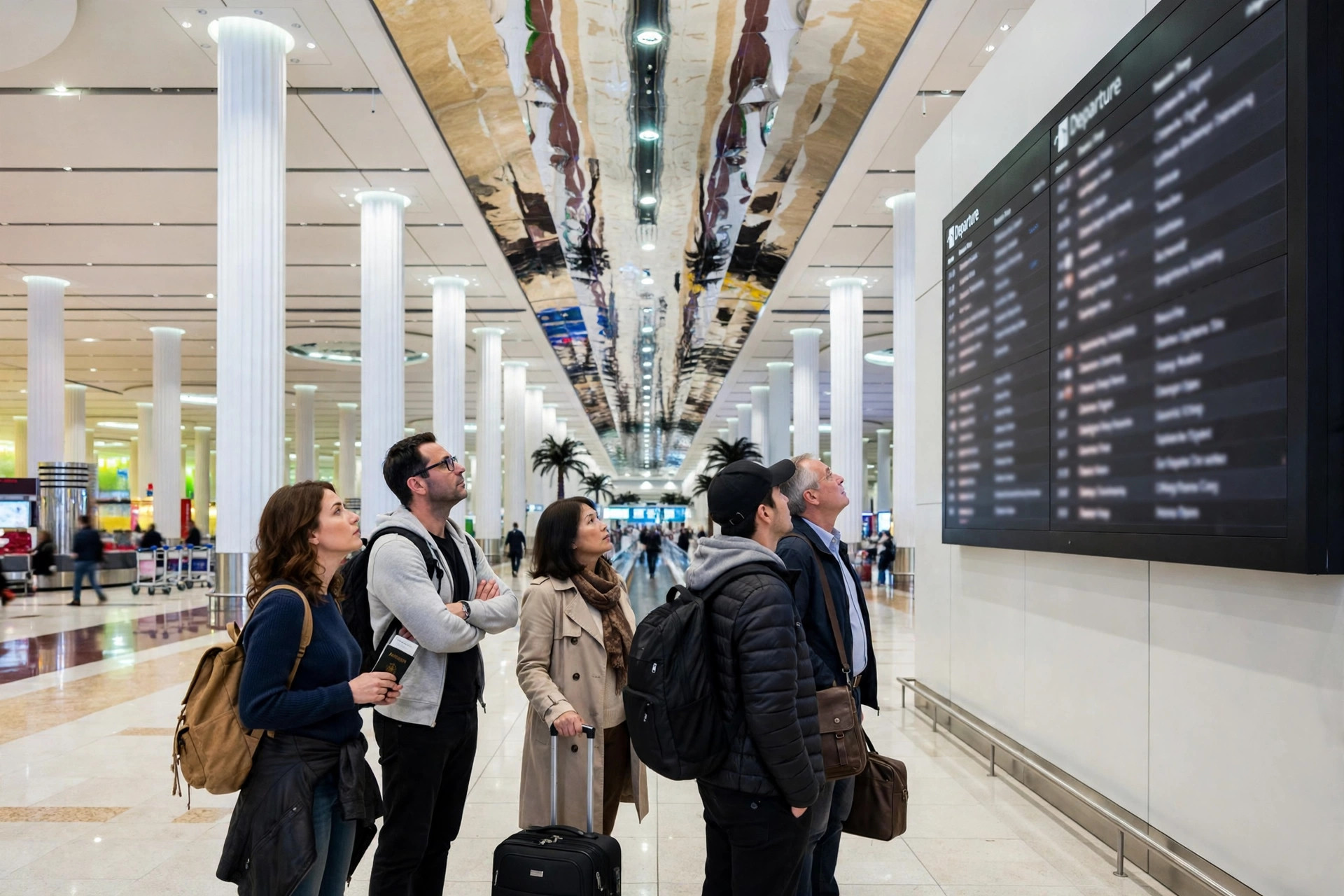
Your rights when a Dubai flight is disrupted
AirHelp’s assessment is that because the trigger is a wider conflict outside airline control, compensation under EC 261 is unlikely — but travellers should still receive rebooking, refunds and care during long disruptions. That distinction matters: a cancelled flight on an extraordinary-circumstances ground still entitles you to a refund or an alternative flight, and to meals and accommodation during long waits, on EU-regulated services.
If your dates are flexible, use the fee-free change windows several carriers are offering rather than cancelling outright. Our DXB guide, transit visa guide and layover itinerary help if a reroute turns a connection into an overnight stop, and hotels near the airport cover the unplanned-stay basics.
Frequently asked questions
What did EASA renew on September 30?
Its Gulf airspace bulletin, advising covered airlines to avoid airspace above Gulf waters around the UAE, Bahrain, Kuwait, Oman and Qatar through at least November 16, 2026.
Does the warning close Dubai airport?
No. It is guidance to airlines. DXB remains open; individual carriers decide their own schedules, which is why some are flying and others remain suspended.
Am I entitled to compensation if my flight is cancelled?
Under EC 261, compensation is unlikely where the cause is a conflict outside airline control, but rebooking, refunds and care during long disruptions should still be provided on covered services.
How can I protect my trip?
Keep airline notifications on, allow generous connection times, and use fee-free change windows where offered instead of cancelling.
0 Comment