


Most visitors eat Dubai in the wrong order: hotel breakfast, mall food court, one expensive rooftop dinner. This 3-day food itinerary flips that. It starts where the city actually eats — the cafeterias and family restaurants of Bur Dubai, Deira, Karama and Satwa — and saves the splurge meals for when you know what things should cost. Every day is organised by neighbourhood, so you walk between meals instead of crossing the city.
Budgets below are per person and deliberately honest. Street-level days in Old Dubai run AED 80–150 for three meals if you follow the plan; the newer-neighbourhood day costs more. For the full price picture, read our Dubai food guide and the street-level picks in cheap eats in Dubai alongside this route.
Day 1 Breakfast: Emirati Morning in Al Fahidi
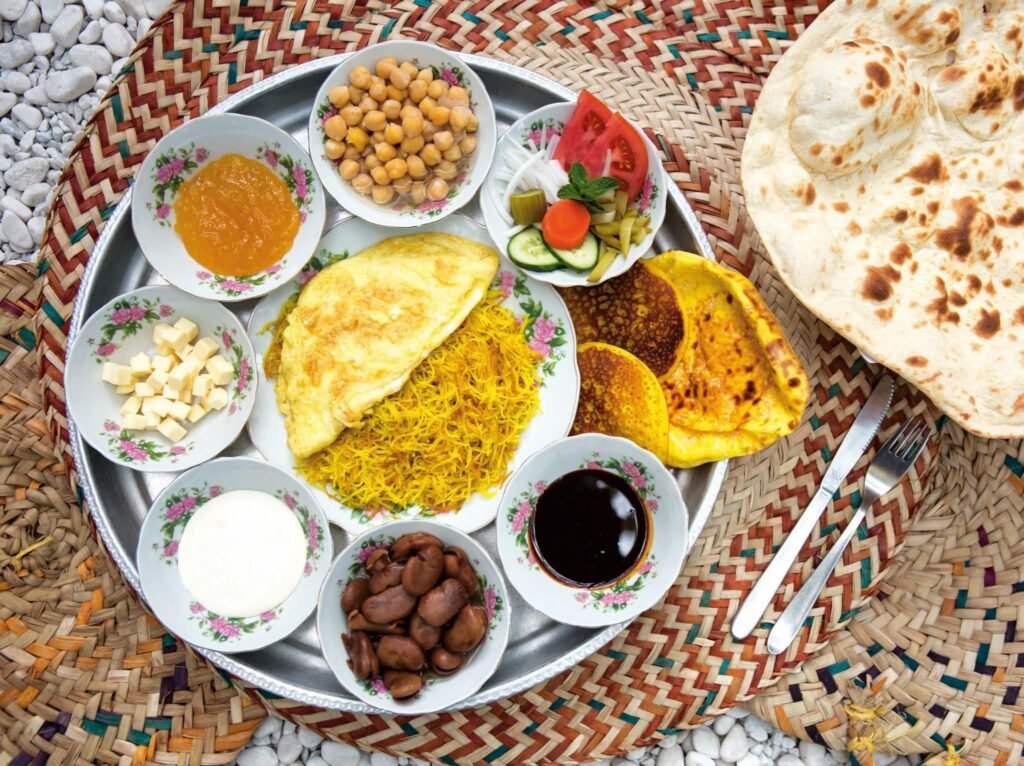
Begin in Al Fahidi with a proper Emirati breakfast: balaleet (sweet saffron noodles under a thin omelette), chebab pancakes with date syrup, khameer bread and a pot of Arabic coffee poured from a dallah. The Arabian Tea House is the famous stop and worth it once — arrive before 9am on weekends to skip the queue — but the smaller heritage restaurants around the Bastakiya lanes serve the same tray for less.
Eat breakfast as your cultural stop, not just a meal. The SMCCU’s cultural breakfasts in Al Fahidi pair the food with a guided talk on Emirati customs, and they answer the questions visitors are too polite to ask elsewhere. Afterwards, walk it off through the lanes towards the Creek before lunch.
Day 1 Lunch and Dinner: Deira’s Shawarma Streets
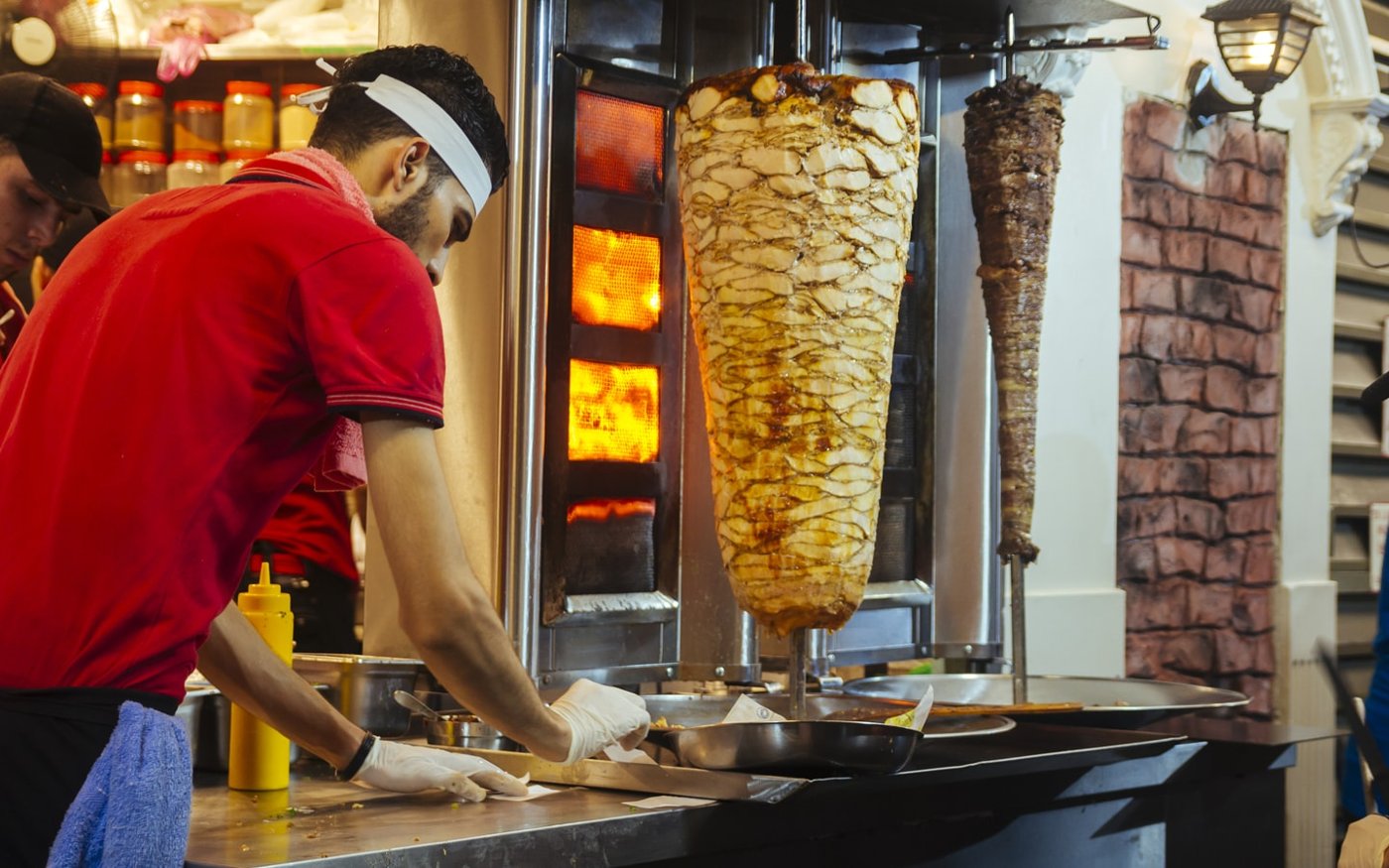
Cross the Creek by abra (AED 1) and eat lunch in Deira. The streets around Baniyas Road and Al Rigga are lined with Levantine and Palestinian cafeterias where a falafel sandwich still costs single digits and the shawarma is carved to order. Order the way locals do: sandwich first, then a fresh juice — avocado, mango or pomegranate — from the juice shop next door.
Stay in Deira for an early dinner. This is the neighbourhood for Filipino seafood feasts served on plastic-covered tables, Iraqi kebab houses near the Clock Tower, and Somali restaurants around the Gold Souk side streets. It is also the cheapest place in the city to eat very well: a full dinner with drinks rarely passes AED 60 per person. Our free things to do in Dubai guide pairs well with a Deira evening — the souks and Creek promenade cost nothing to wander.
What to Order in Deira
Falafel sandwich with pickles and mint, chicken shawarma with garlic sauce, harees or mandi at a Yemeni restaurant, and knafeh for dessert at an Arabic sweet shop. If a menu has no prices displayed, ask before ordering — most cafeterias are honest, but it is the local habit to confirm. Guided walks are another way in: What’s On’s street food roundup lists the Old Dubai operators and the classic stops they cover.
Day 2: Karama and Satwa, the City’s Everyday Kitchens
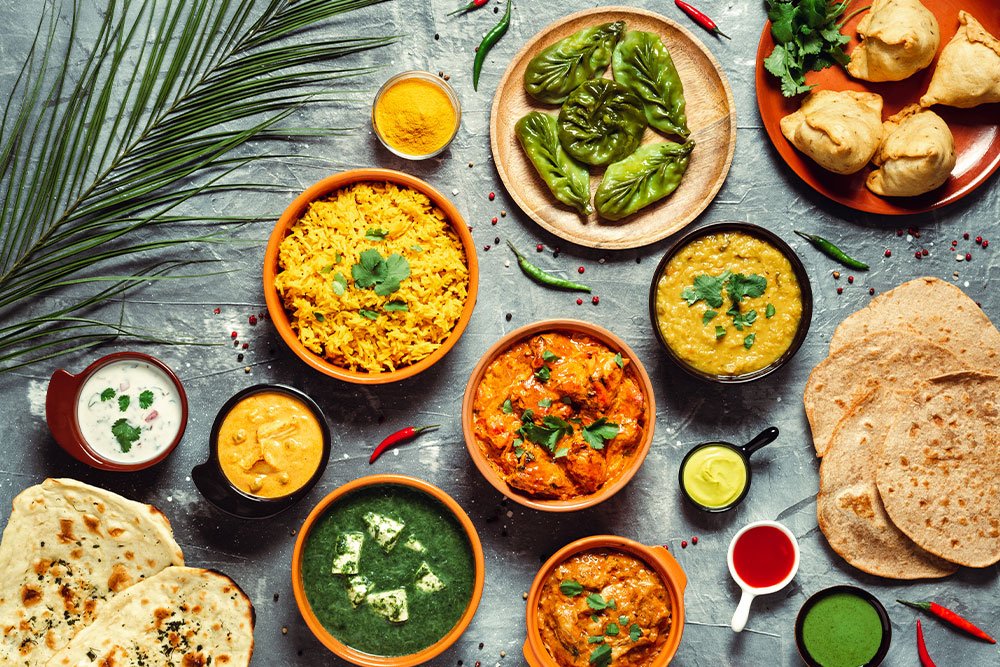
Day two belongs to the neighbourhoods built by Dubai’s South Asian communities. Start in Karama for a South Indian breakfast — masala dosa or idli with filter coffee — then come back at lunch for Keralan seafood: fish molee, appams and a crab or prawn curry at the long-running restaurants near Karama Park. Prices here sit at a third of what the same dishes cost in the malls.
In the evening, walk or take a short taxi to Satwa. The strip along 2nd December Street is where you find the original Ravi Restaurant, serving Pakistani curries since the late 1970s, plus Iranian kebab houses — Al Ustad Special Kabab near Al Fahidi has fed everyone from taxi drivers to visiting royalty. Finish with karak tea from a cafeteria window: sweet, milky, and about AED 2–3 a cup.
Eating Etiquette That Actually Matters
Small cafeterias are family spaces: dress modestly, ask before photographing other diners, and expect to share tables at peak times. During Ramadan, many Old Dubai restaurants close by day and come alive after sunset — our guide to visiting Dubai during Ramadan explains how to plan meals in that month.
Day 3 Morning: Markets, Bakeries and a Food-Hall Lunch
Start day three at the Deira Waterfront Market for the fish and produce halls — even if you are not cooking, the morning market explains what ends up on Dubai’s plates. Pick up breakfast from the bakeries inside: manakish flatbreads with zaatar or cheese, baked while you watch.
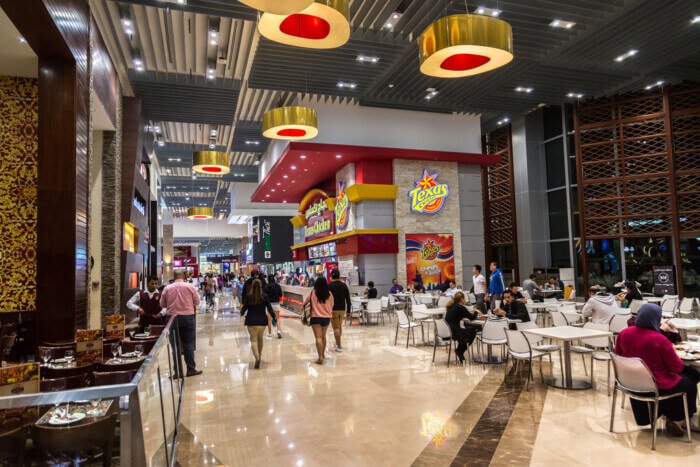
For lunch, switch worlds. The food halls in Dubai Mall and the newer malls gather licensed versions of the city’s favourite independents under one roof — useful for mixed groups and for anyone who wants the Karama flavours with mall air conditioning. It costs more than the originals, so treat it as a convenience pick, not the main event. Check Visit Dubai for seasonal food festivals such as Dubai Food Festival, which usually runs in the cooler months and adds pop-ups across the city.
Day 3 Evening: One Splurge Dinner, Chosen Well
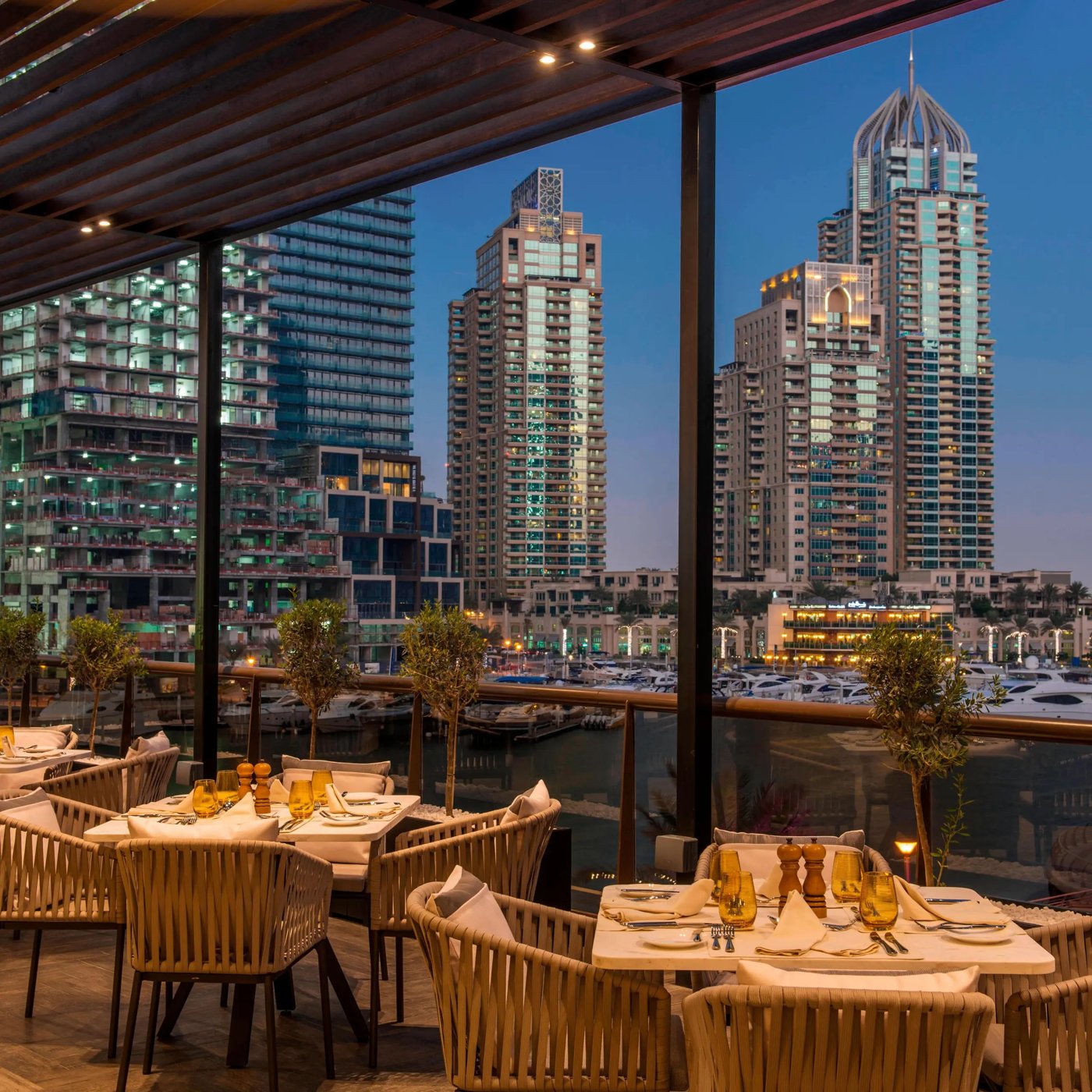
End the itinerary with the one dinner worth paying for. You have three good splurge styles in Dubai: a dhow dinner cruise on the Creek or Marina (mid-range, views included — see our dhow cruise guide), a chef-led tasting menu in DIFC or Downtown, or a seafood dinner at the Bu Qtair-style end of the market near Umm Suqeim, where the queue is the review. Book the first two ahead in winter season; the casual seafood sheds do not take bookings, so arrive early.
Skip the hotel brunch on a 3-day trip unless brunch is the point of your visit — it eats half a day and most of a day’s budget. If you do go, Friday and Saturday are the main brunch days and the big venues sell out in peak season.
How to Eat Well in Dubai on a Budget All Week
The habits from this itinerary scale to any trip length. Eat where the city’s workforce eats at lunch, when cafeteria prices are lowest. Use the Metro’s Green Line for the Old Dubai food neighbourhoods — Al Fahidi, Baniyas Square and Al Rigga stations put you inside the route above — and keep a Nol card topped up so the AED 1 abra and short Metro hops stay painless. Carry small cash for cafeterias and tea windows; the currency and payments guide explains where cards are and are not accepted.
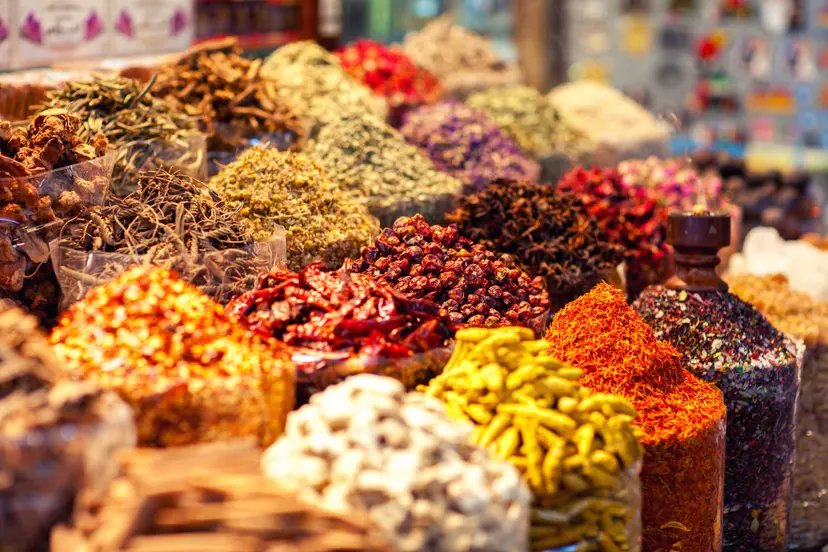
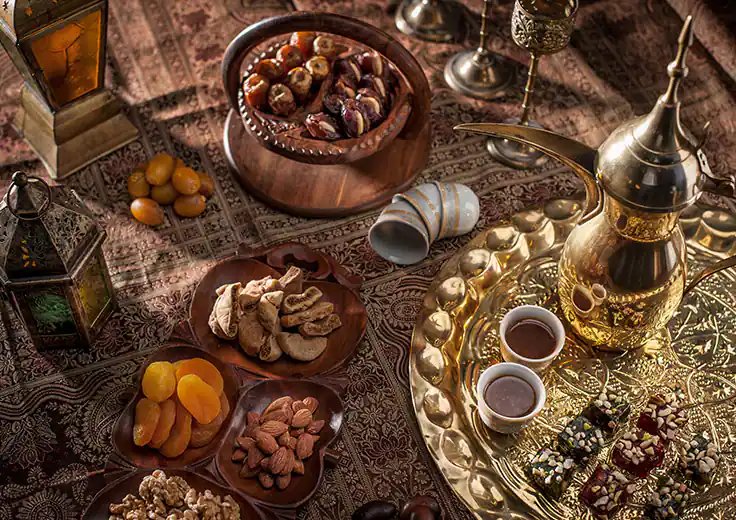
Finally, buy your edible souvenirs where residents do: dates and nuts from Deira’s market shops, Arabic sweets from the old sweet houses, and spices from the Spice Souk — always after tasting, and always asking the price per 100g before the bag is filled.
Frequently Asked Questions
How much should I budget for food in Dubai per day?
Following this itinerary, AED 100–180 per person covers three good meals in Old Dubai. Add a splurge dinner and the day rises to AED 350–500. Hotel breakfasts and mall dining push a day well past that, which is why the route starts in the cafeteria neighbourhoods.
Is street food in Dubai safe to eat?
Dubai’s cafeterias and stalls are licensed and inspected, and the busy Old Dubai spots have fast turnover, which is what you want. Choose places with queues of regulars, eat hot food hot, and drink bottled or filtered water.
What food should I try first in Dubai?
An Emirati breakfast tray, a Deira falafel sandwich, Keralan seafood in Karama, Iranian kebabs in Satwa and knafeh for dessert. That short list covers the city’s main food traditions in five stops.
Do I need to book restaurants in Dubai?
Cafeterias and market restaurants: no. Fine-dining rooms, brunch venues and dhow cruises in the winter season: yes, book several days ahead, and a week or more for the most popular Friday and Saturday services.
0 Comment