

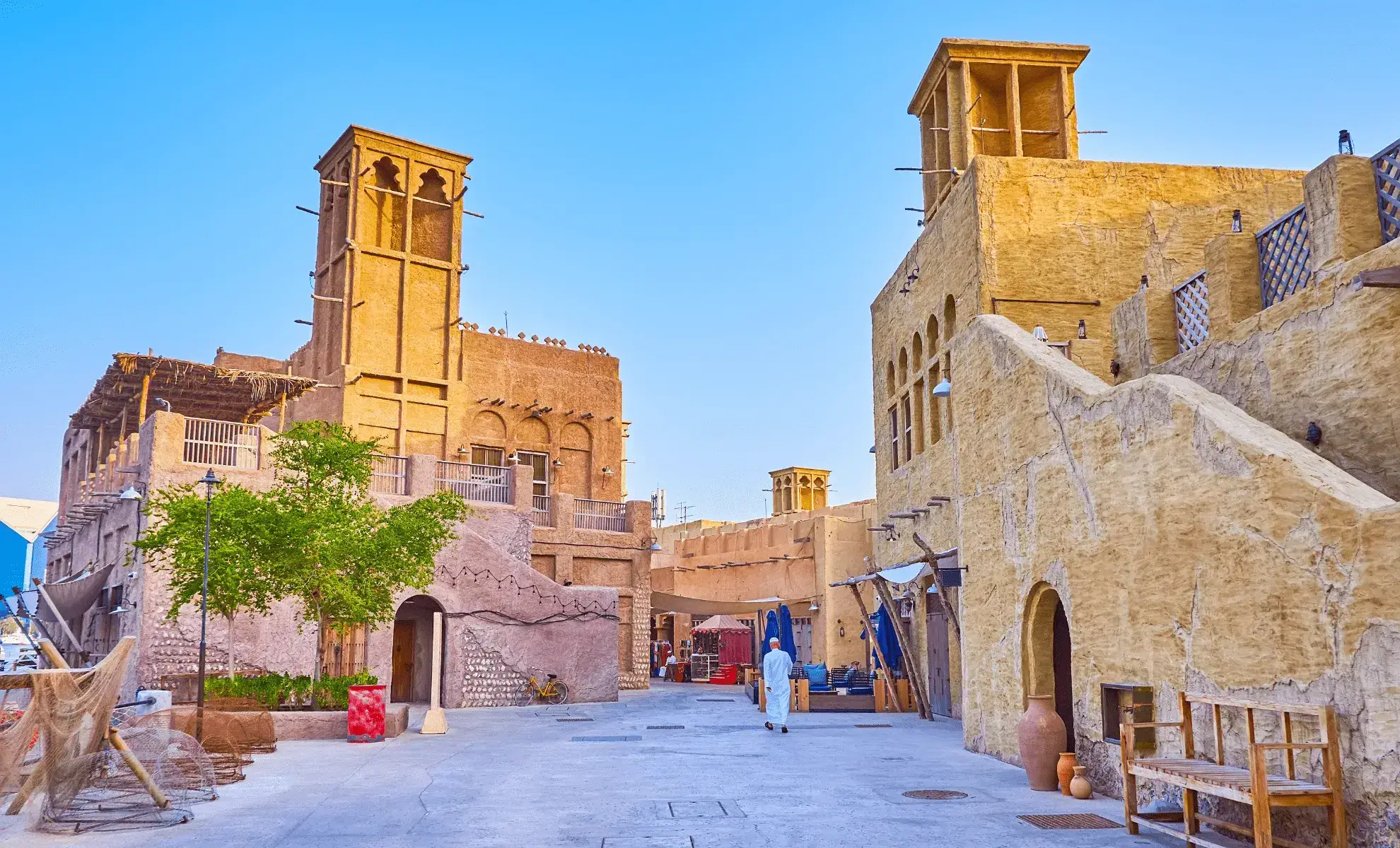

Dubai’s cultural side rewards a slower pace than its famous sights do. Galleries cluster in an old warehouse district, the city’s history sits in low coral-stone lanes by the Creek, and its newest art spaces look out over the water from quiet gardens. This 3-day itinerary strings those places together in the order a local would visit them, with long lunches and golden-hour walks built in.
Two practical notes before you start. Gallery opening days vary — many Alserkal Avenue spaces close on Sundays or Mondays, and exhibitions change every few weeks, so check current shows on the venues’ own sites a day ahead. And keep one modest outfit for mosque and heritage areas: shoulders and knees covered, and a headscarf for women entering prayer halls. For the sightseeing order of the headline landmarks, pair this plan with our 3 days in Dubai itinerary.
Day 1 Morning: Al Fahidi, the Coffee Museum and the Creek
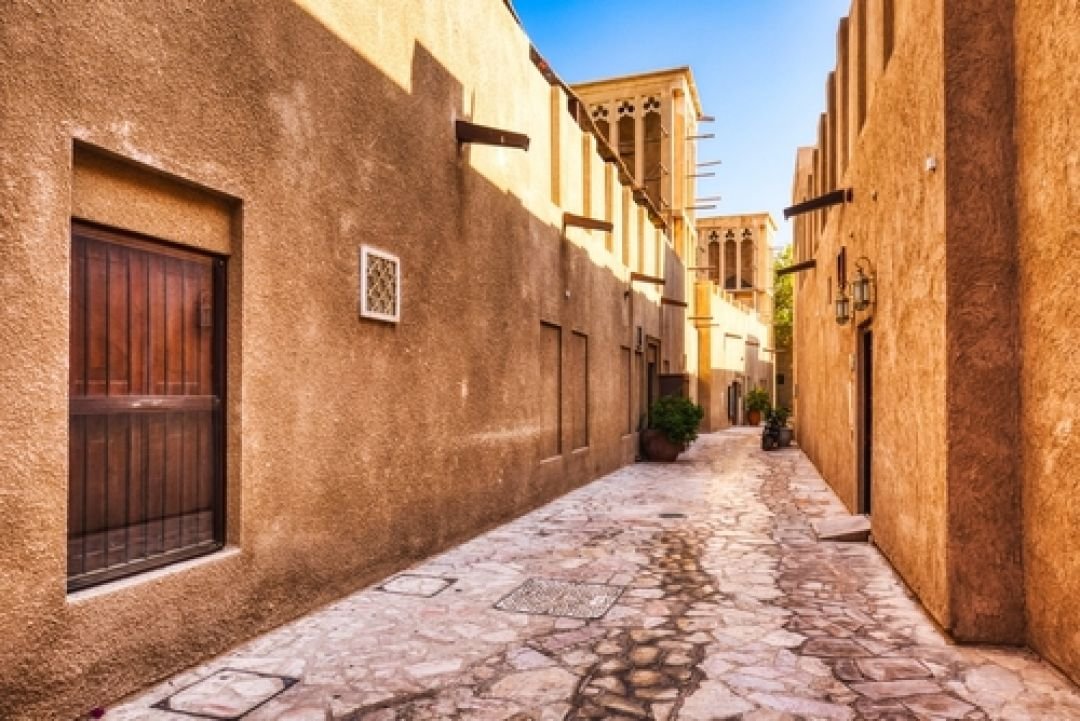
Start where Dubai started. The Al Fahidi Historical Neighbourhood, on the Bur Dubai side of the Creek, is a small grid of wind-tower houses from the early 1900s, now holding small museums and galleries. The Coffee Museum, spread over two floors of one house, tells the story of coffee from Ethiopia to the Arabic dallah pot, and serves a tiny cup in its majlis room. The Coins Museum and the calligraphy displays nearby take twenty minutes each and are rarely busy.
From Al Fahidi, walk five minutes to the Creek and take an abra — the small wooden boat that has ferried people between Bur Dubai and Deira for generations — across to the souks. The fare is a few dirhams, paid in cash to the driver. On the Deira side, the gold and spice souks are commerce rather than culture on paper, but an hour there teaches you more about old Dubai’s trading life than any display case.
Day 1 Afternoon: Alserkal Avenue
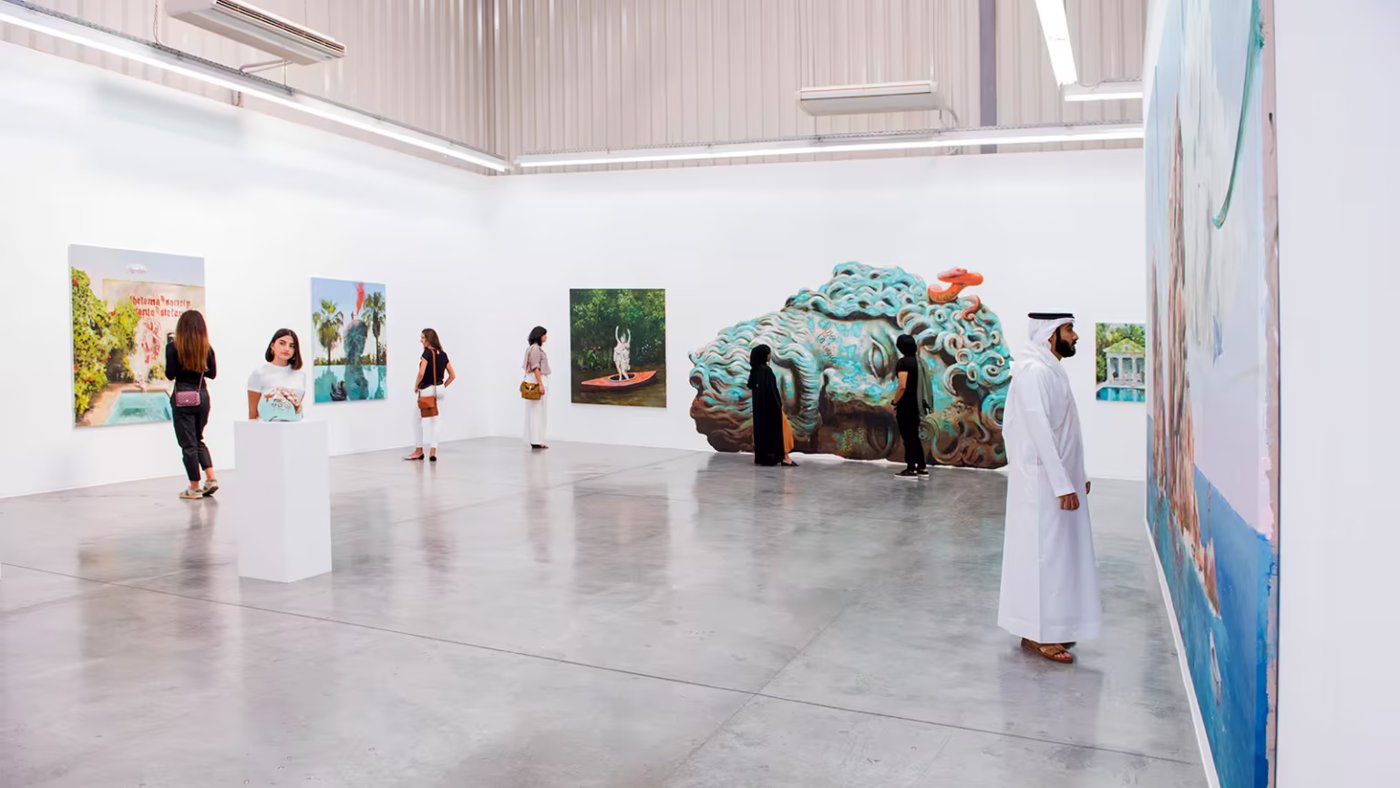
After lunch, take a taxi to Al Quoz, where a former industrial compound on Alserkal Avenue holds the densest cluster of galleries in the country. Names and shows rotate, but the format is constant: free entry, white-walled warehouses, and a mix of regional and international artists. Give it two to three unhurried hours, with a coffee stop at one of the roasteries between galleries.
The avenue also hosts an independent cinema and design shops, and its events calendar — listed on the Visit Dubai culture pages and the avenue’s own channels — peaks during Art Dubai week each spring and the winter season. If you only have one gallery afternoon in Dubai, spend it here rather than splitting time across the city. Many spaces stay open into the early evening, which suits a post-lunch start.
Getting Between Districts
Al Quoz has no Metro station of its own within easy walking distance. Taxis or ride-hailing between Al Fahidi, Alserkal and your hotel are the realistic option, and they are a normal part of a culture day here.
Day 2 Morning: Jameel Arts Centre and the Jaddaf Waterfront
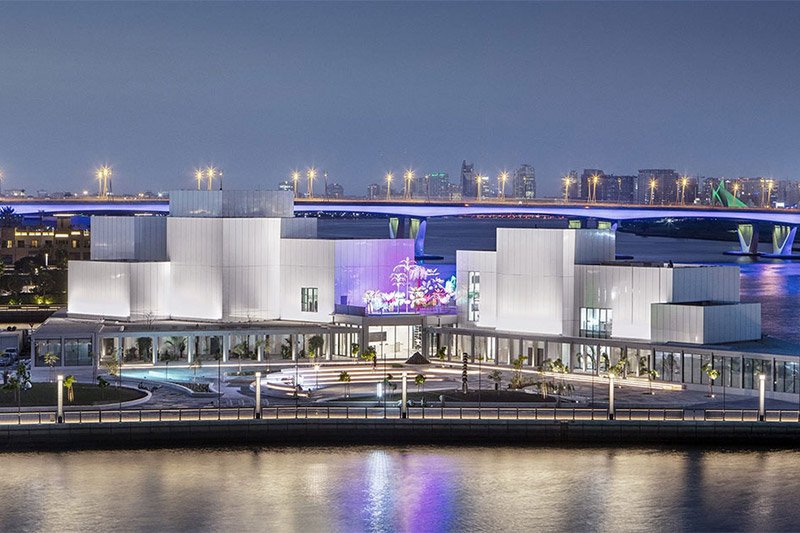
Day two opens at Jameel Arts Centre, an independent contemporary art institution on the Jaddaf Waterfront. Its exhibitions lean thoughtful and research-driven — recent seasons have mixed photography, installation and archive work from across the region — and its terraced gardens and library are half the pleasure. Entry has historically been free; confirm current hours on the centre’s site before you go.
The surrounding Jaddaf area is one of the quietest waterfront walks in the city, with the skyline framed across the Creek. Combine the visit with a slow brunch nearby rather than rushing on, because the afternoon’s district rewards an evening arrival anyway.
Day 2 Evening: Dubai Design District and Dubai Opera
Late afternoon, head to Dubai Design District — d3 — where fashion and design studios, small galleries and cafes fill a low-rise grid near Business Bay. It is more design week than museum: showrooms, pop-ups and public art between the buildings, best in the hour before sunset when the Burj Khalifa lines up with the district’s main axis.
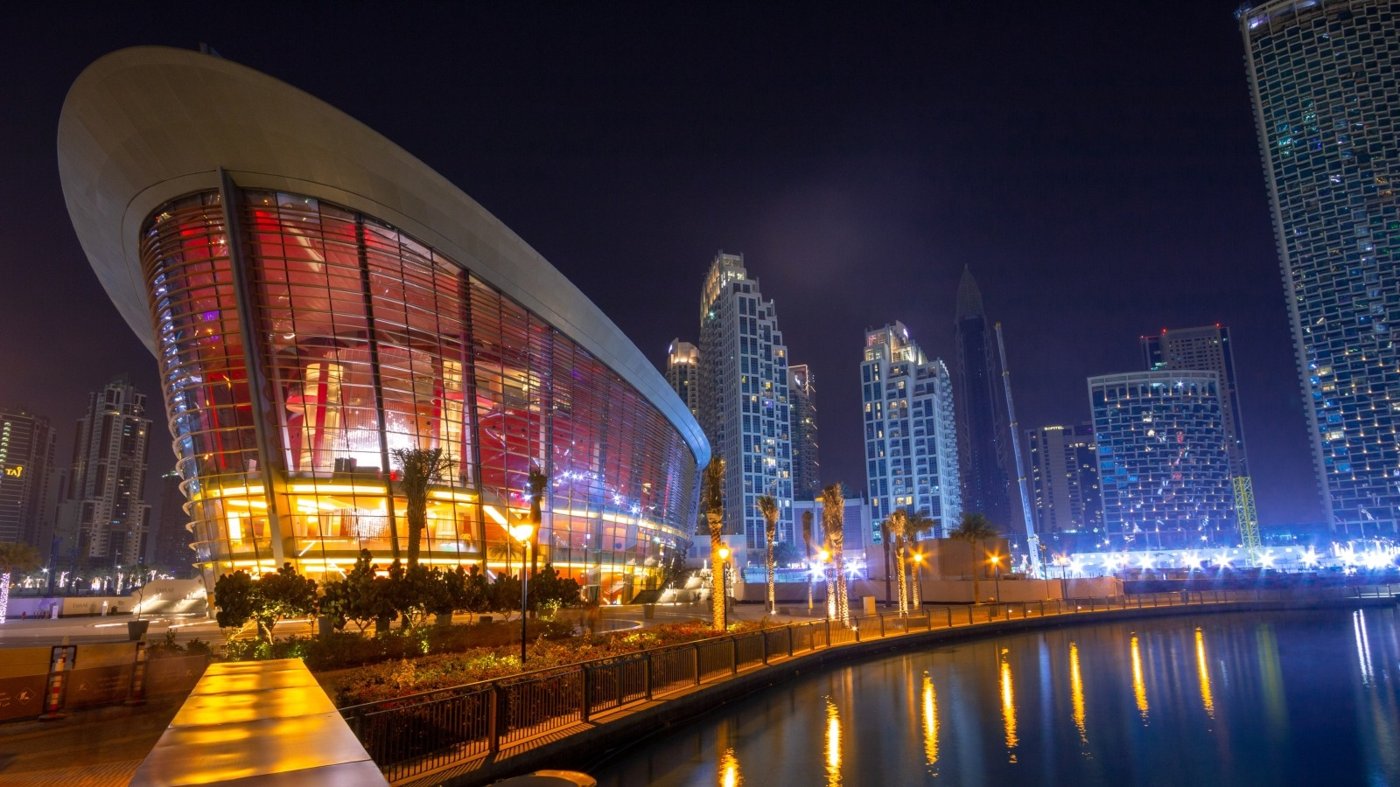
End the day at Dubai Opera in Downtown. The building itself, shaped like a dhow, is worth the walk even without a ticket; with one, you might catch an opera, a ballet, a West End musical or an Arabic music night depending on the season. Book ahead for weekend performances. Dubai Culture, the emirate’s arts authority, lists publicly run cultural programming across the city if you want to add a workshop or heritage event to the evening.
Day 3: Etihad Museum, Jumeirah Mosque and a Heritage Lunch
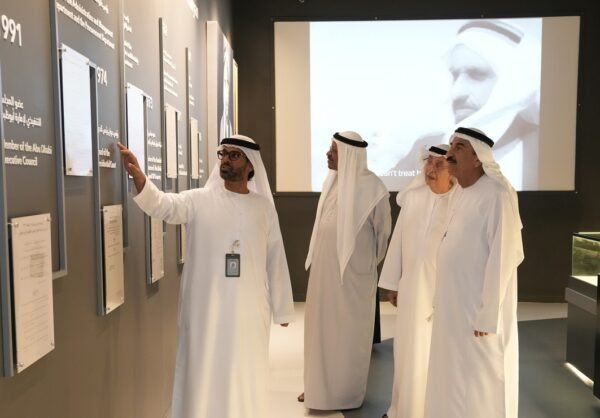
Your final culture day goes to the story of the country itself. The Etihad Museum in Jumeirah stands where the UAE’s founding document was signed in 1971, and its exhibitions use photographs, film and the founders’ own belongings to explain how seven emirates became one state. It is the single best place in Dubai to understand what you have been looking at for two days.
A short taxi ride away, Jumeirah Mosque runs guided tours for non-Muslim visitors through the Sheikh Mohammed bin Rashid Al Maktoum Centre for Cultural Understanding, under its long-running “Open Doors, Open Minds” programme. Tours typically run in the morning, last around 75 minutes, and end with questions over coffee and dates — arrive modestly dressed and check the centre’s schedule, as days vary and registration opens early. Afterwards, return to Al Fahidi for a heritage lunch at the Arabian Tea House, where Emirati breakfast plates and mint lemonade under the bougainvillea close the trip in the neighbourhood where it began.
Keeping a Culture Trip Cheap and Calm
Much of this itinerary costs little: Alserkal’s galleries and Jameel Arts Centre have traditionally been free, the abra crossing is a few dirhams, and the big spends are the opera ticket and taxis. Our free things to do in Dubai list adds more no-cost stops in the same neighbourhoods, including public art walks and heritage areas.
Calm is a planning choice, too. Two districts a day is plenty, museums here are air-conditioned refuges in the middle of the day, and most cultural venues sit in neighbourhoods — Al Fahidi, Jaddaf, Al Quoz — that feel a world away from the Sheikh Zayed Road rush. If you are travelling in the cooler months, our guide to the best time to visit Dubai will help you land this itinerary in festival season, when Art Dubai and the Sikka Art and Design Festival add a temporary layer over everything above.
Frequently Asked Questions
Are Dubai’s galleries free to enter?
Most commercial galleries on Alserkal Avenue are free, and Jameel Arts Centre has historically offered free entry. Museums such as the Etihad Museum and Coffee Museum charge modest entry fees. Always confirm current prices on official sites.
What should I wear for cultural visits in Dubai?
Everyday clothes are fine for galleries and museums. For the Jumeirah Mosque tour, cover shoulders, arms and knees, and women should bring a headscarf. Heritage neighbourhoods appreciate modest dress too.
Can I take photographs inside galleries and museums?
Rules vary by venue and exhibition. Museums generally allow phone photography in main halls; galleries may restrict it during certain shows. Ask at the desk if there are no signs.
When is the best season for an art trip to Dubai?
Late winter to early spring, when Art Dubai, design weeks and outdoor festivals overlap and the weather suits walking between venues in Al Fahidi and Jaddaf.
0 Comment