

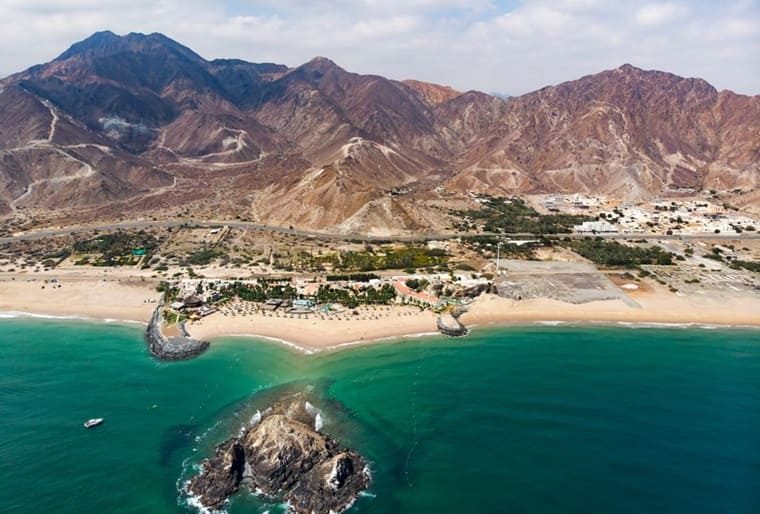

When Dubai residents say they are “going to Dibba”, they can mean three different towns in two different countries — and picking the wrong one turns a beach day into a border-crossing exercise. This guide is about Dibba Al Fujairah, the UAE side: a quiet east-coast town about two hours from Dubai, backed by the Hajar mountains and fronting the Gulf of Oman, with the snorkelling reefs of Al Aqah and Snoopy Island just down the coast. No passport control, no tour booking required — just a rental car, a full tank and an early start.
It pairs naturally with our Fujairah day trip guide — Dibba is the northern, quieter extension of the same coastline.
First, Know Which Dibba You Mean
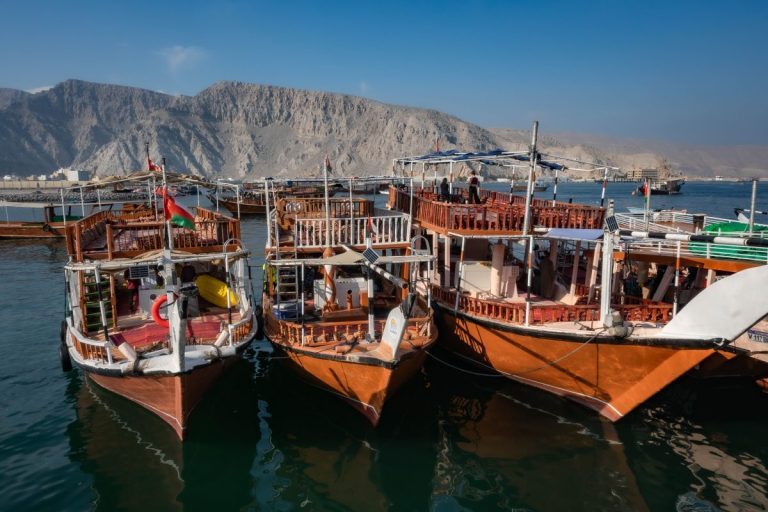
Dibba is split three ways. Dibba Al Fujairah is in the UAE emirate of Fujairah and is the subject of this guide. Dibba Al Bayah, just across the border, is in Oman’s Musandam exclave and is the departure port for the famous Musandam dhow cruises. Dibba Al Hisn belongs to Sharjah and sits between them. The three run into each other along the coast, and the border between the UAE and Omani parts is a real, staffed checkpoint.
Practically, this means two things. First, if you are driving yourself for a beach day, stay on the Fujairah side and you will never think about the border. Second, if you book a “Dibba” dhow cruise or Musandam tour, it almost certainly departs from the Omani side — those tours handle the border paperwork, but you must carry your passport and check the current entry rules for your nationality. That tour-based trip is a different product from this self-drive day; our Khor Fakkan day trip guide covers the coast further south.
Getting There from Dubai: Roads, Times and Stops
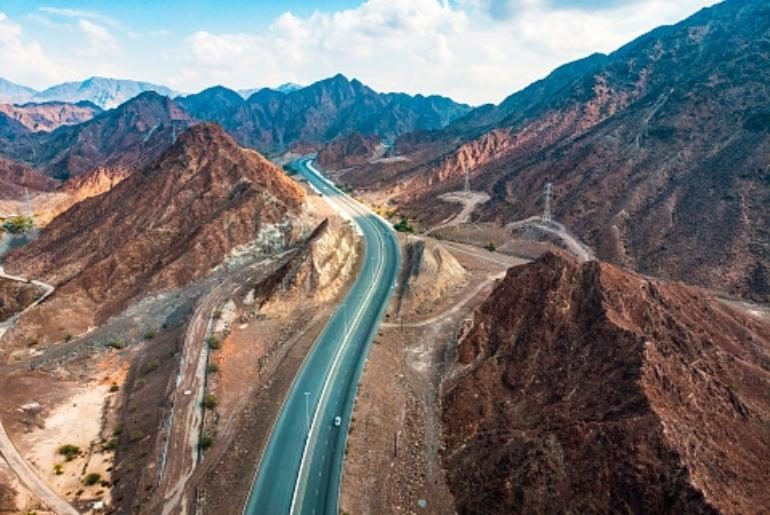
Dibba Al Fujairah is roughly 150km from Dubai. Most drivers take the E611 or Sheikh Mohammed Bin Zayed Road (E311) north, then cross the mountains towards Masafi and down to the Fujairah coast, turning north along the coast road through Fujairah city and Khor Fakkan’s outskirts to Dibba. Allow about two hours in normal traffic, more on Friday afternoons and public-holiday weekends when half of Dubai has the same idea.
There is no practical public transport for a day trip — intercity buses can get you to Fujairah city, but the sights along this coast are spread over tens of kilometres and a car is what makes the day work. Fuel up before the mountain stretch, download offline maps (signal drops in the wadis), and build in one coffee stop: the Friday Market area near Masafi, with its pottery, plant and fruit stalls along the road, is the traditional pause on this route.
Al Aqah and Snoopy Island: The Snorkelling Stop
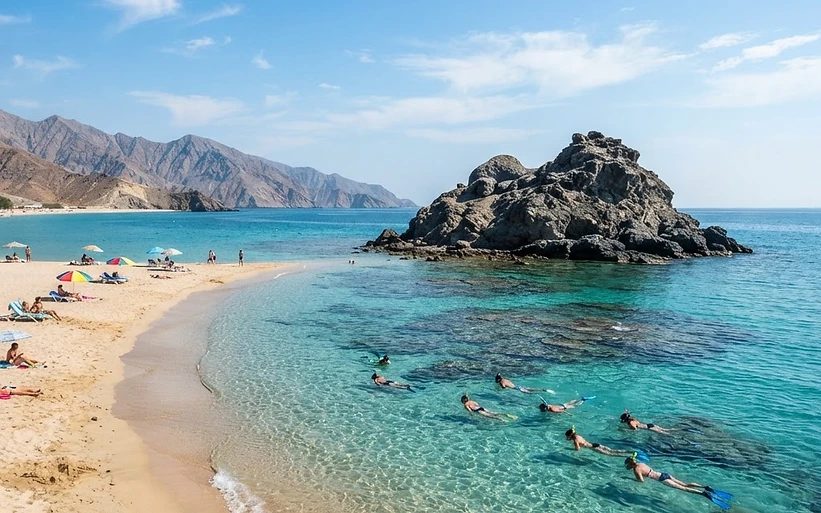
Fifteen minutes south of Dibba, the Al Aqah strip is where the day peaks. Snoopy Island — a rock formation that really does look like the cartoon dog lying on his kennel — sits a short swim from the public beach in front of the Sandy Beach resort area, and the reef around it is the most accessible snorkelling on the UAE’s east coast. Expect turtles, reef fish and blacktip reef sharks on good days; the marine life here is the reason Fujairah’s coast, washed by the Gulf of Oman rather than the Gulf, out-dives anything near Dubai.
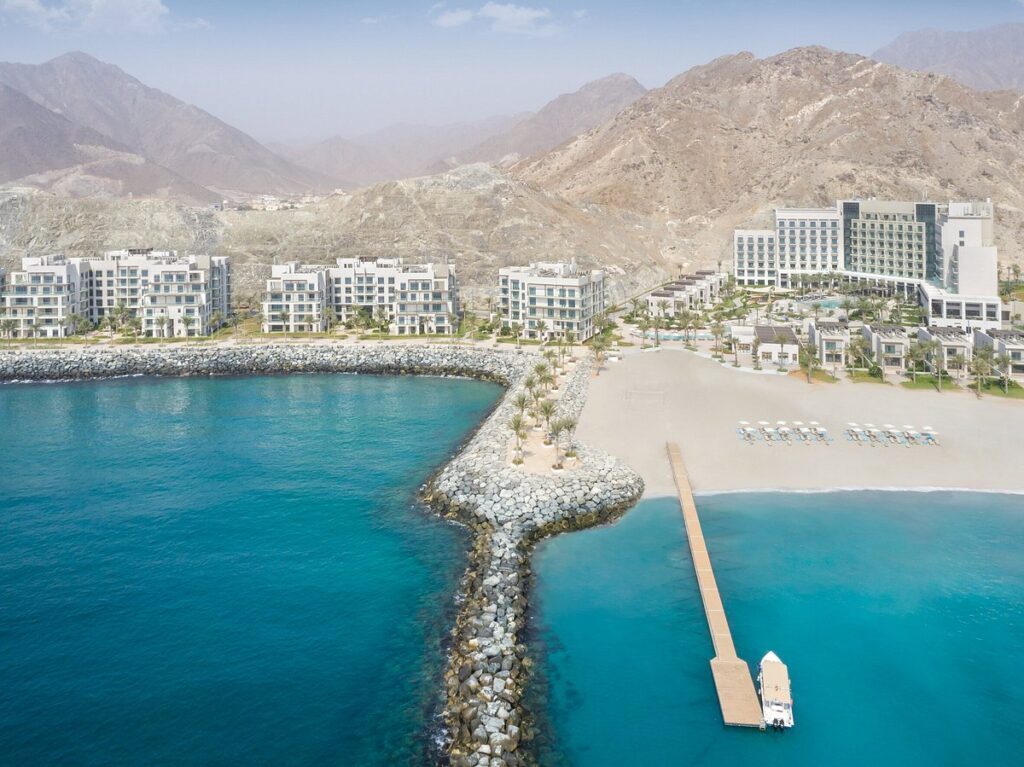
You can snorkel from the beach with your own gear, rent kit from the dive centres along Al Aqah (Al Boom Diving at Le Méridien Al Aqah is the long-established name), or book a boat snorkel or beginner dive trip. Resort beach access with facilities comes via day passes; the public beach sections are free but basic. Go in the morning — the sea is calmest and clearest before the afternoon wind, which is also when the tour groups arrive. This guide to things to do in Fujairah covers the diving scene in more depth.
Dibba Beach and the Camping Option
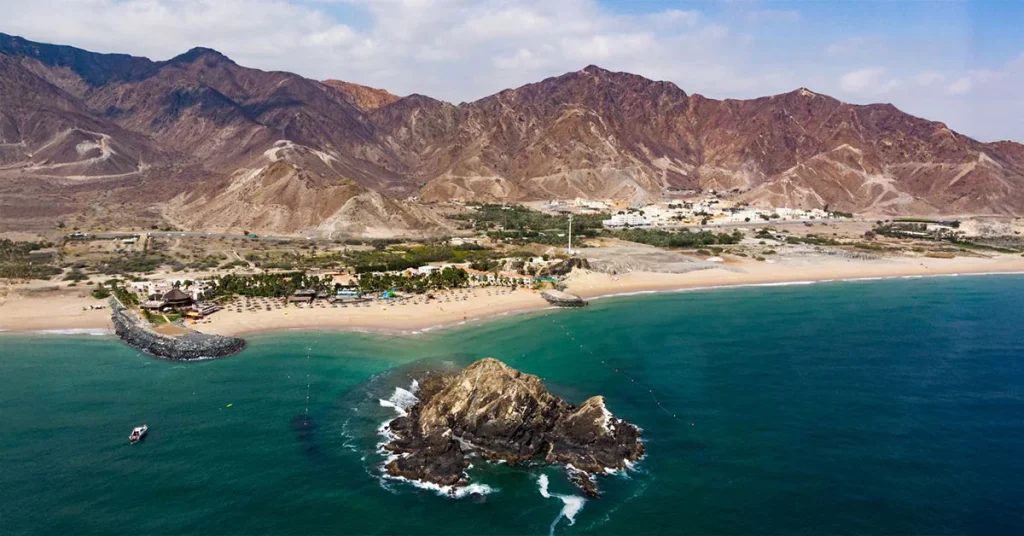
Dibba’s own beaches are the low-key alternative to Al Aqah: open sand, mountain backdrops, local families at weekends, and none of the beach-club pricing of the Dubai coast. Swimming is generally calm, though this is natural coastline — expect some rocky patches, wear reef shoes, and note that facilities range from minimal to none depending on the stretch you pick.
The coast around Al Aqah and Dibba is also one of the UAE’s best-known beach-camping areas, which is why many residents turn this “day trip” into a Friday-night-out, Saturday-morning-swim one-nighter. If you camp: rules have tightened in recent years, so check the current Fujairah rules before you go, never light fires directly on the sand (bring a raised fire pit or grill), and take every scrap of rubbish back with you — the camping privilege survives only as long as campers leave the beach clean. There are no public showers or toilets on the open beach stretches.
Stop at Al Bidya Mosque on the Way Back
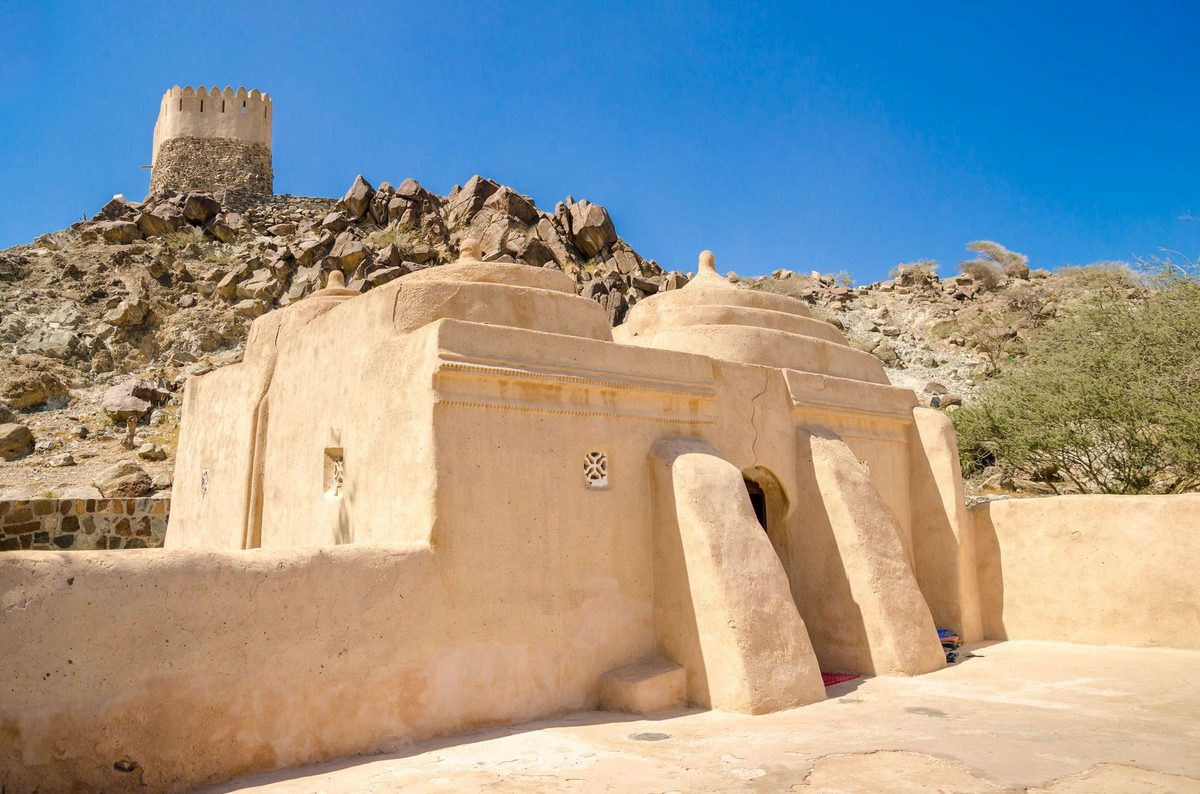
On the coast road south from Dibba towards Khor Fakkan stands Al Bidya (Al Badiyah) Mosque — the oldest mosque in the UAE, a small mud-and-stone building with four distinctive domes held up by a single central pillar, generally dated to the 15th century (around 1446). It is an active mosque, so dress modestly and check whether non-Muslim visitors are being admitted at the time of your visit; even from outside, it is worth the stop. Climb the short path to the two watchtowers above it for the view over the coast and the date plantations — the best five-minute detour on the whole drive, and well covered in this Time Out account of a Dibba and Khor Fakkan trip.
If you have energy left, Fujairah city is a further 30–40 minutes south: Fujairah Fort and the Fujairah Museum make a tidy final stop before the mountain road home, as detailed in our Fujairah day trip from Dubai guide.
Practical Tips, Costs and When to Go
When to go: October to April is prime — sea swimmable, air comfortable, and in line with the wider pattern in our guide to the best time to visit Dubai. In summer the east coast is often a few degrees kinder than Dubai but still hot and humid; stick to early starts and water-based plans. Weekdays are dramatically quieter than Fridays and Saturdays.
Costs: A self-drive day is mostly fuel (a Dubai–Dibba round trip is around 300km), plus whatever you spend on food, gear rental or a resort day pass. Snorkel rental and boat trips vary by operator — confirm exactly what is included. There is no entry fee for the public beaches or Al Bidya’s exterior.
Pack: Reef shoes, snorkel gear if you own it, more water than you think you need, sun protection, and a dry bag. Border discipline: if your plans drift towards the Omani side — a dhow trip from Dibba port — carry passports for everyone in the car and verify the latest Oman entry requirements for your nationality before the day, not at the checkpoint.
Frequently Asked Questions
Do I need a passport to visit Dibba from Dubai?
Not for Dibba Al Fujairah on the UAE side — it is a domestic trip. You only need your passport if you cross into Oman’s Dibba Al Bayah, for example for a Musandam dhow cruise, and those tours will tell you exactly what documents are required.
How long is the drive from Dubai to Dibba?
About two hours each way in normal traffic. Leave before 8am on weekends to beat both the traffic and the afternoon sea breeze that clouds the snorkelling.
Where is the best snorkelling near Dibba?
Around Snoopy Island at Al Aqah, about 15 minutes south of Dibba. It is reachable by swimming from the beach or by boat with the local dive centres, and turtles are a common sight.
Can I do Dibba as a day trip without a car?
Not comfortably. There is no useful public transport along the coast. Without your own car, book an organised east-coast or Musandam tour with hotel pickup instead — a different day out, but a good one.
0 Comment