

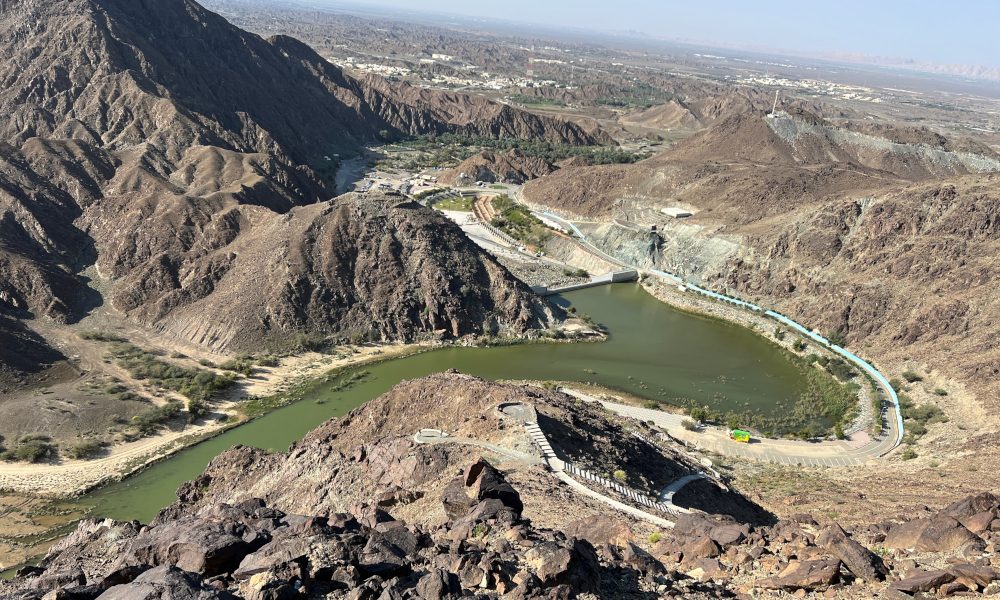

An hour or so from Dubai’s towers, the city gives way to the gravel plains and ridges of the Hajar foothills, and Wadi Shawka is where a lot of Dubai residents first discover them. In the emirate of Ras Al Khaimah, the Shawka area combines a dam, a well-known staircase hike, marked mountain-bike and walking trails, and — after winter rain — a chain of natural rock pools that people drive out specifically to swim in. It makes an easy, self-drive day trip with no entry formalities.
This guide covers the two ways to spend the day (the dam-and-staircase hike and the pools walk), how to get there, and the safety points that genuinely matter in a wadi. It pairs well with our other mountain trips — the higher, harder Jebel Jais day trip and the gentler Hatta day trip — if you are building a few outdoor days into one visit.
Getting to Wadi Shawka from Dubai
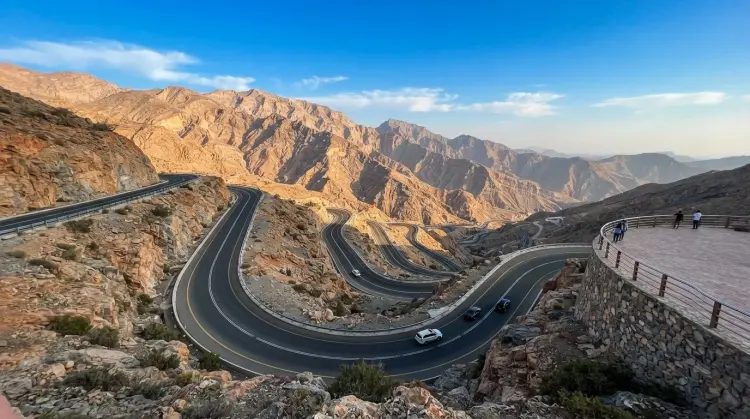
Shawka sits in the southern part of Ras Al Khaimah emirate, roughly 100 km from central Dubai. The usual route follows the Sharjah–Kalba road corridor (E102) east from the city, then local roads signed towards Shawka and the dam. In normal traffic the drive takes about an hour to ninety minutes. There is no practical public transport for this trip — it is a self-drive or organised-tour day out, and a normal saloon car can reach Shawka Park and the dam area on paved roads.
Only venture beyond the dam onto gravel wadi tracks if your vehicle has suitable clearance and you know the route; many visitors simply park near the dam or Shawka Park and walk. Download offline maps before you set out, because mobile signal fades in the valleys, fill up with fuel in Dubai or at the towns en route, and aim to arrive early — by 8am in the cooler months, and at dawn if you are hiking any later in the year.
The Shawka Dam Staircase Hike
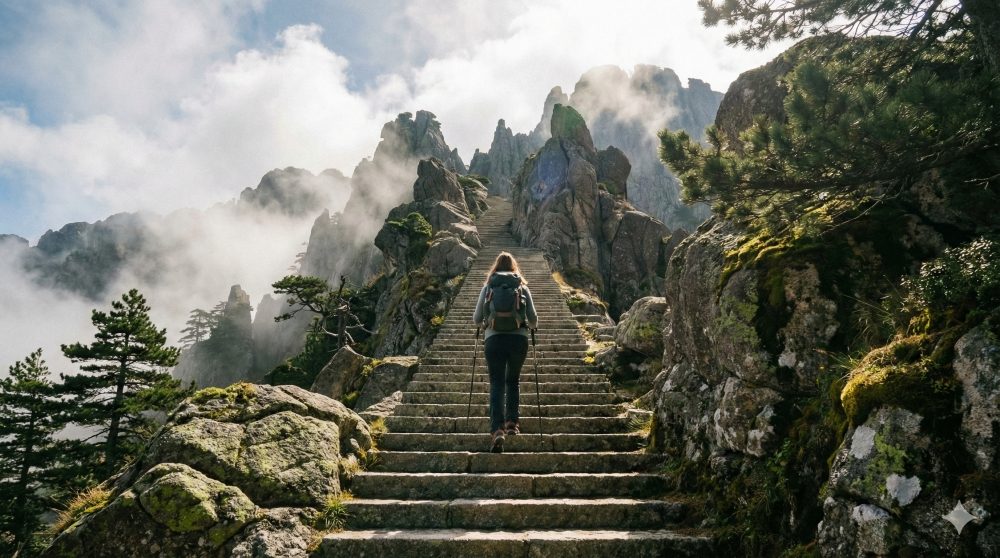
The best-known walk starts at Shawka Dam, where a long built staircase climbs the ridge behind the parking area. It is a proper leg workout — hundreds of steps — but it is short, and from the top the trail continues along the ridge and can loop down into the valley, giving views across the dam, the wadi and the surrounding peaks. Depending on the loop you choose, expect anything from a one-hour up-and-down to a half-day route of around 8–10 km with roughly 300 metres of climbing.
Because the staircase is exposed, walk it first thing in the morning. There is no shade, no water and no facilities on the ridge, so everything you need goes on your back: a commonly advised minimum is around 2–3 litres of water per person for the longer routes, more in warm weather. Trail apps such as Wikiloc carry recorded routes from the dam — download one before you go rather than improvising, as paths on the descents can be faint and scree-covered.
The Wadi Shawka Pools
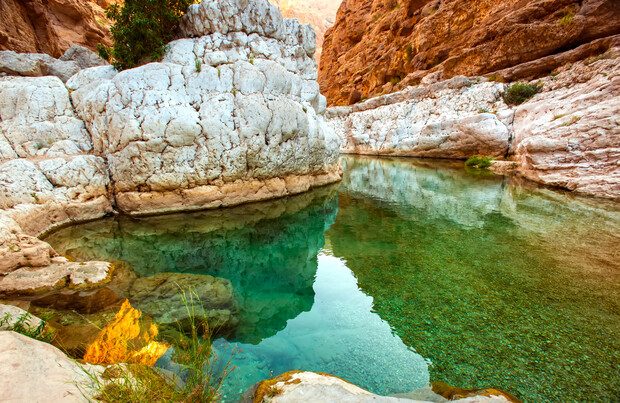
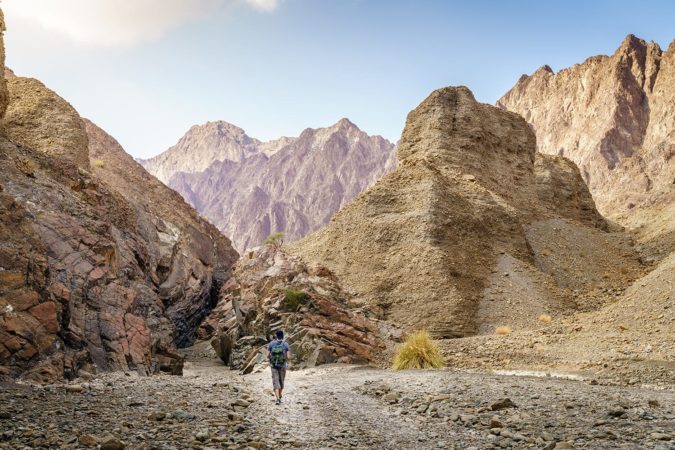
The second Shawka experience is gentler: walking the wadi bed itself towards the natural pools. These rock basins hold water after rain, and in a good winter season the walk becomes a sequence of clear pools linked by shallow streams, roughly a few kilometres each way with little climbing, though with some scrambling around the bigger pools. Families often do a shortened version, walking to the first large pool and back.
Set expectations by season. The pools depend entirely on rainfall: after winter rains they can be full and swimmable; by late spring and summer many are dry or stagnant, and the wadi floor is then a hot, shadeless walk. The best months for this trip are November to March. Never swim in or linger in a wadi if rain is forecast anywhere in the mountains — see the safety section below — and take every scrap of rubbish out with you; litter at the pools has already led to access restrictions on the approach road in the past.
Combining Shawka with More of the East
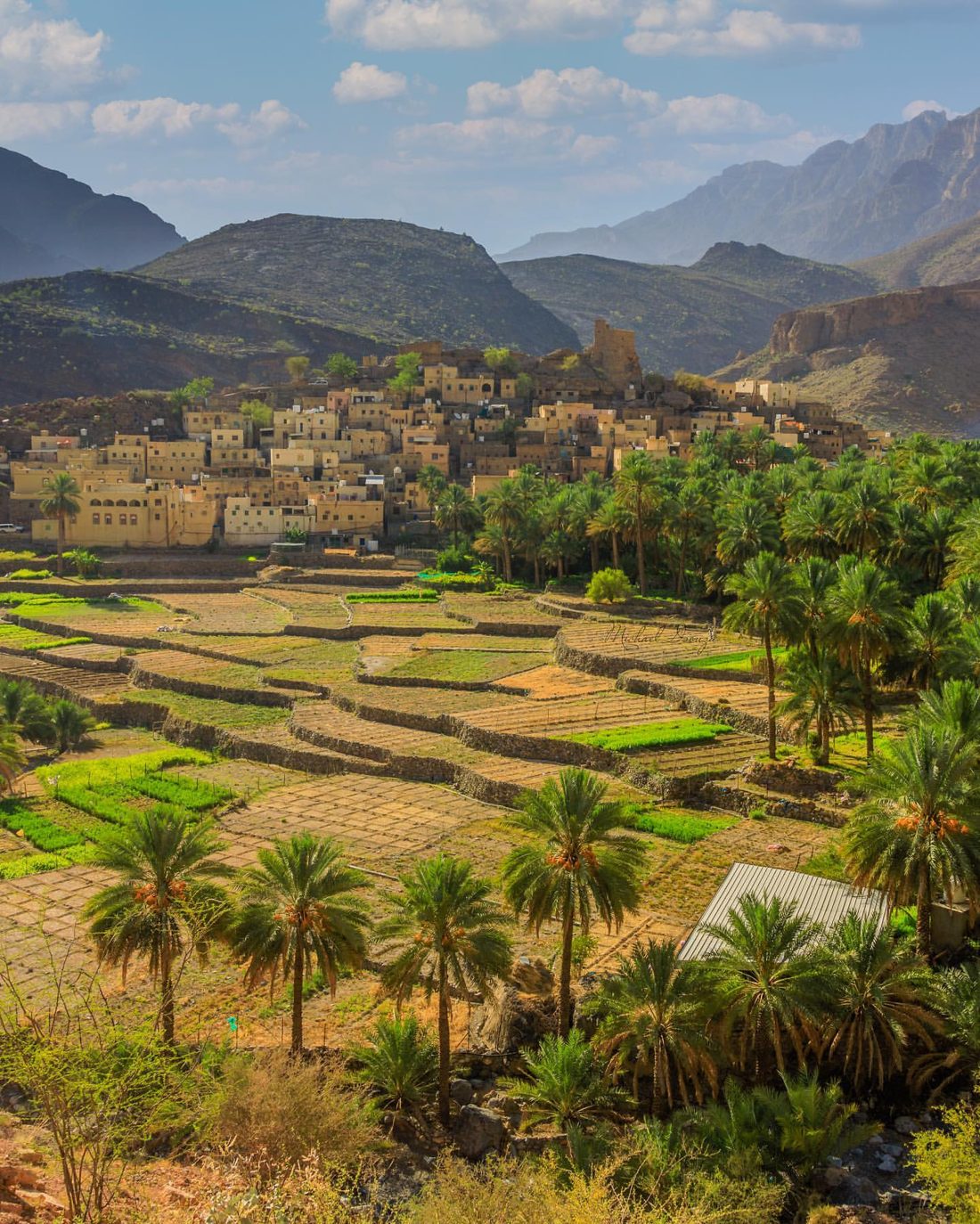
Shawka pairs naturally with a longer east-side loop. The farms and villages of the foothills around the wadi give a glimpse of a very different Emirates from Dubai’s, and drivers continuing east can reach the coast at Kalba or Khor Fakkan within the day — our Kalba day trip guide and Khor Fakkan guide cover both. Mountain bikers also come to Shawka purely for its trail network, with bike hire available in the area on some operations, and Shawka Park near the entrance works as a picnic base for groups splitting into hikers and non-hikers.
Keep the day simple, though, if it is your first wadi trip: dam hike in the morning, picnic or a slow pools walk, and drive back before dark. The roads home are straightforward but unlit in stretches, and you will enjoy the mountains more at an unhurried pace.
Safety Essentials for Any Wadi Trip
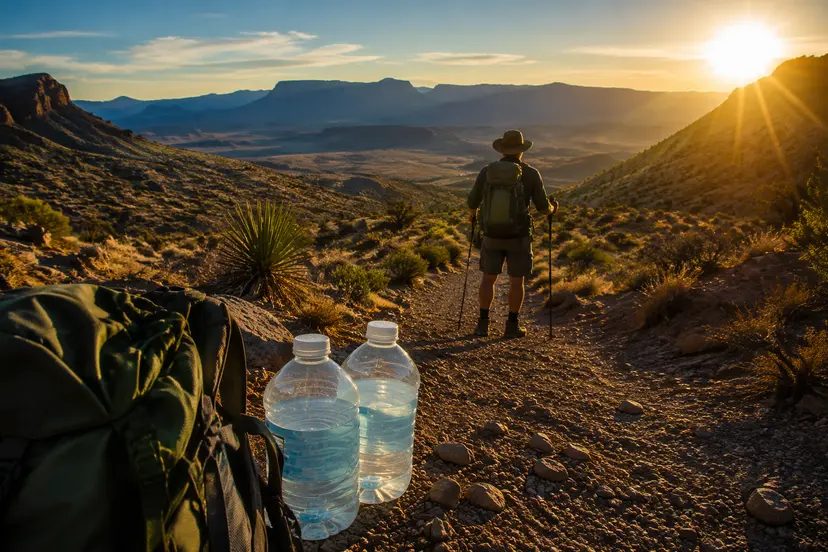
Wadis are dry riverbeds, and their one serious danger is flash flooding: rain falling far upstream can send water down a wadi under a blue sky where you stand. Check the forecast for the whole mountain area, not just Shawka, and if storms are predicted anywhere in the Hajar range, postpone the trip. Never camp in the wadi bed itself.
The everyday risks are heat and footing. Wear shoes with real grip — the rocks near pools are polished and slippery — carry far more water than feels necessary, wear a hat, and tell someone your route and expected return. Phone signal is unreliable in the valleys, so an offline map and a charged phone (or power bank) matter. In summer, limit yourself to a dawn start and a short route, or choose one of the coast trips instead, such as our Dibba day trip, where the sea does the cooling.
Frequently Asked Questions
How far is Wadi Shawka from Dubai?
About 100 km — roughly one to ninety minutes’ drive depending on traffic and your start point in Dubai. It is a self-drive trip; there is no useful public transport.
Do I need a 4×4 for Wadi Shawka?
Not to reach Shawka Park or the dam, which are accessible on paved roads in a normal car. A higher-clearance vehicle helps only if you plan to follow gravel tracks deeper into the wadi.
When is the best time to visit the Shawka pools?
In the days and weeks after winter rain, roughly November to March. The pools are rainfall-dependent and may be dry in summer.
Is the staircase hike suitable for beginners?
Reasonably fit beginners manage it well, especially starting at dawn with plenty of water. It is steep but short, and you can turn back at any point.
Is there an entry fee for Wadi Shawka?
The wadi and dam area are open public land with no general entry fee. Organised tours, bike hire and any campsite or activity operators charge their own prices.
0 Comment