

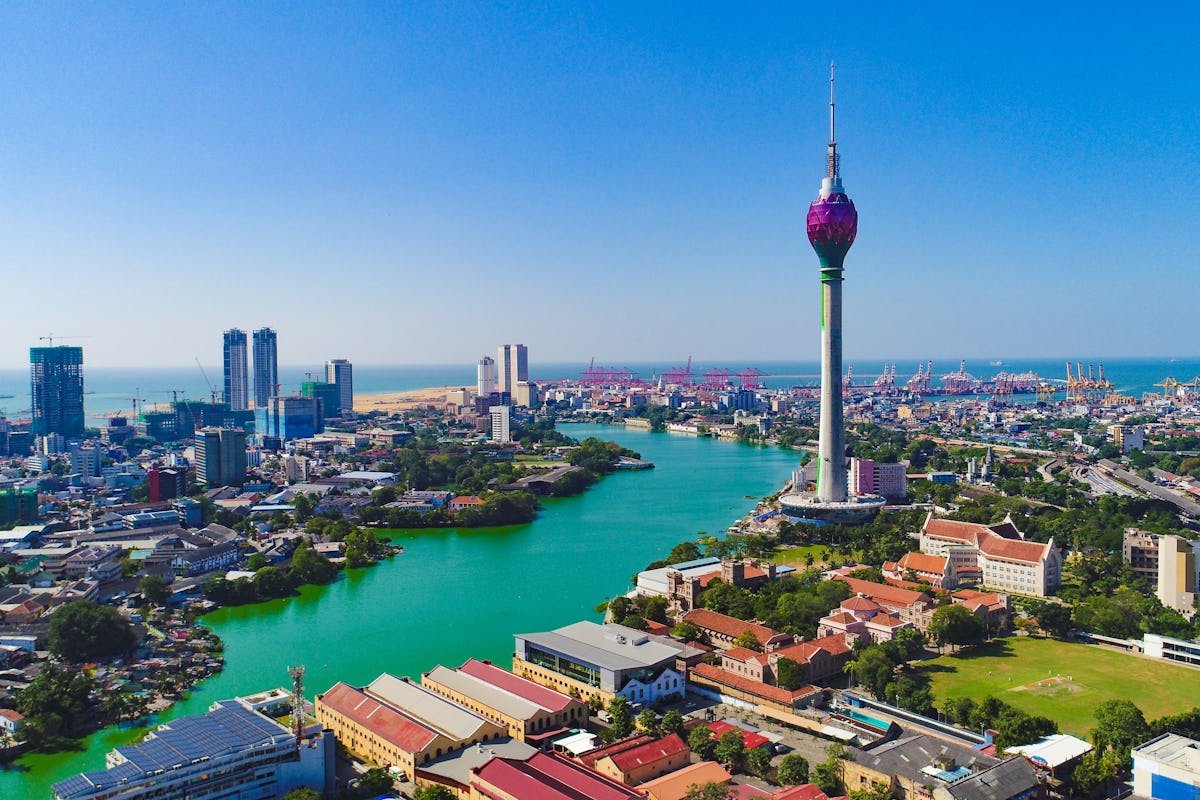

Sri Lankan passport holders are some of Dubai’s most frequent visitors — for family trips, shopping runs, cricket tours and stopovers on the way to and from the Gulf’s large Sri Lankan community. The entry rule is simple, though: Sri Lanka is not on the UAE’s visa-on-arrival lists, so you need a tourist visa approved before you board. Everything else about the trip is easy, and this guide covers the visa types, the documents, realistic costs and the application routes that actually work from Sri Lanka.
Requirements do get updated, so treat the official channels as the final word: the GDRFA page on tourist visa types and fees and the Emirates visa service page for Sri Lanka via VFS Global if you are flying Emirates.
Do Sri Lankans Need a Visa for Dubai?
Yes, a pre-arranged one. Sri Lanka appears on neither the 30-day nor the 90-day visa-on-arrival lists published by the UAE, which you can verify against our UAE visa on arrival countries guide. That means your visa must be sponsored and issued before travel by an airline, a UAE hotel, a licensed travel agency, or a family member resident in the UAE who applies on your behalf.
The visa itself is electronic. Once approved, you receive a PDF entry permit by email, travel with a printed copy, and the entry is recorded against your passport. There is no sticker in the passport and no embassy interview for a standard tourist visa. The general framework — who sponsors what — is the same as in our main Dubai tourist visa guide.
Visa Types and What They Cost

The core options for Sri Lankan tourists:
- 30-day single entry — the standard holiday visa. GDRFA lists the government fee at AED 250; the all-in price through an agency or airline is higher once service charges are added.
- 30-day multiple entry — GDRFA lists AED 690. Worth it if the trip includes exiting and re-entering the UAE, for example a Musandam or Oman side trip that crosses the border.
- 60-day single entry — the popular choice for visiting family, giving two months without an extension application. Agencies in Colombo quote this widely; confirm whether the quote is for 30 or 60 days before comparing prices, as the two are often confused.
- Transit visas (48 / 96 hours) — for long SriLankan or Emirates connections through Dubai; see our 48 and 96-hour transit visa guide.
- 5-year multiple-entry visa — for very frequent travellers who meet the financial conditions; details in our 5-year multiple-entry visa guide.
Prices quoted in Sri Lankan rupees move with the exchange rate, so an LKR quote from last year is not a benchmark. Compare the AED fee plus service charge, ask what is refundable if the visa is refused (usually, very little), and be wary of any agent quoting dramatically below the market.
Documents Sri Lankan Applicants Need

A typical application through an airline or agency asks for:
- Colour scan of the passport information page, with at least six months’ validity from the date of travel.
- A recent colour photograph with a white background.
- Confirmed return ticket — for Emirates-sponsored applications, VFS lists a confirmed Emirates onward or return ticket among its mandatory documents.
- Hotel booking, or the host’s details if you are staying with family in the UAE.
- Supporting documents when requested: bank statements, an employer letter, or a covering letter from the applicant or travel agent explaining the trip.
Every traveller needs their own visa, including children. Make sure the name order on the application matches the passport exactly, and photograph or scan documents straight and complete — blurry passport scans are a routine cause of avoidable delay. If a previous application was refused, read our Dubai visa rejection reasons guide before refiling the same paperwork.
How to Apply From Sri Lanka

Route 1 — through your airline. Flying Emirates? Its visa service is handled by VFS Global in Sri Lanka, with a published processing time of about 5–6 working days from submission, excluding weekends and UAE holidays. SriLankan Airlines passengers typically use agency partners or a UAE sponsor instead.
Route 2 — a travel agency. Reputable Colombo agencies file tourist visas daily and can bundle the visa with tickets and hotels. Choose an established agency with a real office; you are handing over passport scans and payment.
Route 3 — a UAE sponsor. A family member resident in the UAE, or your Dubai hotel, can sponsor the application from inside the country. This is often the smoothest route for family visits, as the host’s documents anchor the application.
Whichever route you use, apply two to three weeks before departure, then verify the issued permit using the official lookup steps in our guide to checking UAE visa status online — do not rely only on a screenshot from an agent.
Arriving, Extending and Avoiding Fines

The entry permit is usually valid for a set window in which you must enter the UAE, and your stay — 30 or 60 days — counts from the entry date. Keep the printed e-visa with you at check-in in Colombo and on arrival; airlines verify it before boarding.
Extensions: current policy allows many tourist visas to be extended from inside the country through the issuing sponsor, but the rules and fees change, so ask your sponsor early rather than in the final week. What is fixed is the cost of getting it wrong — overstaying is fined per day, and our UAE visa overstay fines guide sets out the current rates and how fines are paid at departure. Working on a tourist visa is not permitted under any circumstances; Sri Lankans coming for employment arrive on an employer-sponsored entry permit, which is a different document entirely.
Tips for a Smooth Sri Lankan Application

Three things make the biggest difference. First, consistency: the same name spelling across passport, ticket and application, hotel dates that match flight dates, and a return ticket inside the visa period. Second, a credible trip profile: immigration is more likely to query an applicant with no travel history, no visible means and a one-way-looking itinerary, so include the supporting documents rather than treating them as optional. Third, timing: holiday seasons in both countries — think April New Year, December and school holidays — slow everything down, so file earlier than the standard advice.
Finally, a note for the many Sri Lankans transiting Dubai rather than visiting: if your connection is under 24 hours and you stay airside, you generally do not need a visa at all. It is only when you plan to leave the airport that the transit or tourist visa becomes necessary — decide before you book, because the 48-hour transit visa cannot be extended once you are in the city.
Frequently Asked Questions
Can Sri Lankans get a Dubai visa on arrival?
No. Sri Lanka is not on the UAE’s visa-on-arrival lists, so Sri Lankan passport holders must have a tourist visa issued before departure, sponsored by an airline, hotel, licensed agency or UAE resident.
How long does the visa take from Sri Lanka?
Emirates applications via VFS are quoted at about 5–6 working days from submission. Agency filings are often quoted faster, but you should allow two to three weeks end to end, especially around holiday periods.
How much is a 30-day Dubai visa for Sri Lankans?
The GDRFA lists the government fee for a 30-day single-entry tourist visa at AED 250, with sponsor service charges added on top. Rupee quotes vary with exchange rates and the agent, so compare the total including all charges.
What documents do I need to apply?
A passport scan with six months’ validity, a white-background photo, a confirmed return ticket and accommodation details are the core set. Bank statements, an employer letter or a covering letter may be requested as support.
Can I work in Dubai on a tourist visa?
No. Tourist visas are for visiting only. Employment requires an entry permit sponsored by the UAE employer, arranged before you travel for work.
0 Comment