

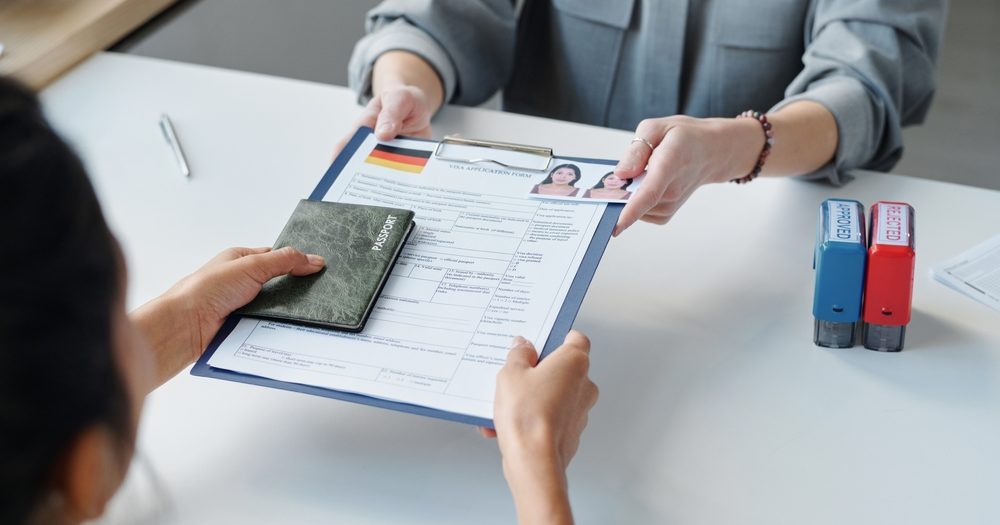

A Dubai visa rejection usually arrives as a one-line message from your agent — “rejected” — with no reason attached. That silence is the worst part, because the fix depends entirely on the cause. A blurry passport scan needs a rescan and a fresh application. An uncancelled old visa needs a cancellation first. An unpaid overstay fine needs paying and time for the system to update. Reapplying blind, with the same file, is how people collect a second refusal and lose a second fee.
This guide lists the real reasons Dubai and UAE tourist visas get refused, how to find out which one hit you, and the order to fix things in. It follows our main Dubai tourist visa guide and applies to applications through GDRFA Dubai and the ICP alike.
First, Find Out Why: How to Check Your Rejection
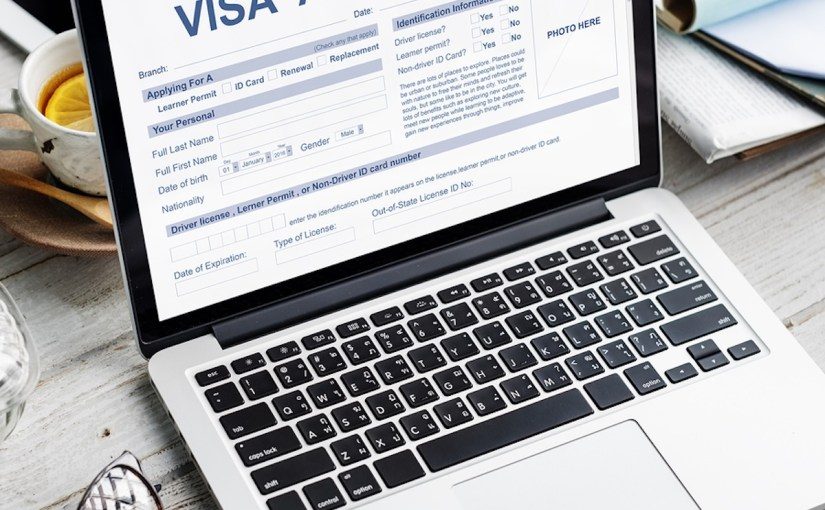
Do not act on a verbal “rejected” from an agent. Ask for the application reference and the status as shown on the system, and if possible a screenshot or printout. Dubai applications are tracked through GDRFA; applications for other emirates through the ICP. Our step-by-step guide to checking UAE visa status online shows both portals. The UAE government portal also explains which authority tracks which emirate on its track visa application page, and lists contact numbers — ICP on 600522222 and GDRFA Dubai on 800 5111 from inside the UAE.
Sometimes the file is not rejected but “returned” for more documents — a very different outcome that lets you fix and continue the same application. Confirm which of the two happened before you pay anyone for a new application.
Document Errors: The Most Common (and Most Fixable) Reasons
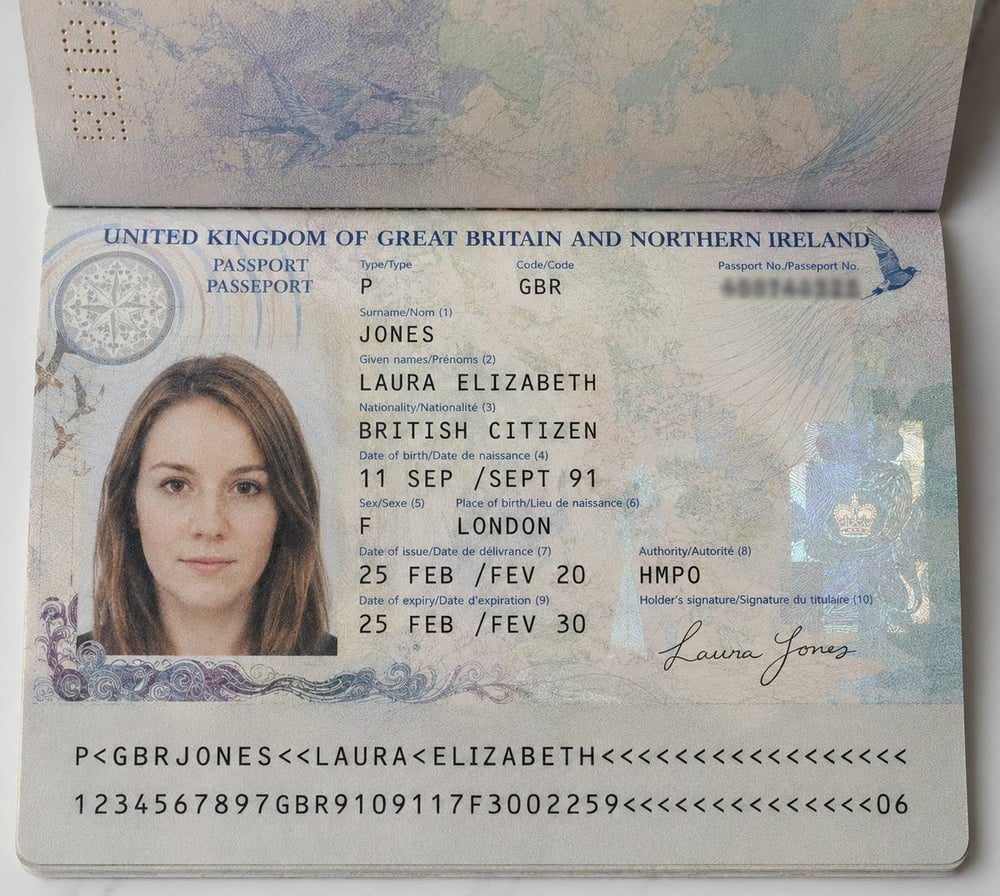
The largest group of refusals is paperwork. Name mismatches top the list: a middle name dropped, a surname and given name swapped, or a spelling that differs from the passport’s machine-readable zone. The system reads the MRZ, so the application must match it character for character — including how spaces and double names are handled.
Next come scan and photo problems: cropped or glary passport scans, low-resolution uploads, and photos with the wrong background, size or age. Then passport validity: your passport generally needs at least six months’ validity from travel, and damaged or handwritten passports cause trouble. The good news is that these are the fastest refusals to recover from — correct the data, rescan at good quality in colour, retake the photo to the UAE specification, and a fresh application can usually go in straight away.
Old Visas, Overstays and Unpaid Fines

The system will not happily issue a new entry permit to someone who, on paper, still holds an active UAE visa. If you previously worked or visited and your sponsor or employer never formally cancelled that visa, the old record blocks the new application. The fix sits with the old sponsor: they cancel through GDRFA or ICP, and you confirm the file shows “cancelled” before reapplying.
Overstay history works the same way. Unpaid overstay fines — currently standardised at AED 50 per day — sit on your file and will surface at the next application or, worse, at the airport. Pay them through the official channels, keep the receipt, and allow several working days for the record to update before a new application goes in. Our UAE overstay fines guide covers calculation, payment points and reductions. Previous absconding reports or immigration bans are more serious and need an Amer centre or a licensed immigration adviser, not a fresh tourist application.
Financial Proof and Weak Supporting Documents

Tourist visas are meant for tourists, and applications that look under-funded or unsupported attract refusals — particularly for first-time travellers from countries whose applications receive extra checking. A bank statement showing a sudden large deposit just before applying reads worse than a modest balance held steadily. Salary evidence, an employer’s leave letter, a return ticket and a real hotel booking all tell the same story from different angles: this person is visiting, and then going home.
If finances were the likely issue, the fix is patience, not cosmetics: build the balance over one or two salary cycles, get a fresh stamped statement, and add the supporting documents that were missing. Submitting the same thin file a week later rarely changes the answer. Travellers applying from India, Pakistan and the Philippines face similar patterns — see our nationality guides for Indians, Pakistanis and Filipinos for the document sets agents usually request.
Security Flags and Name Matches
Some refusals come from security screening, and the authorities do not explain these in detail. Common triggers include a criminal record, a previous immigration violation, or — frustrating but real — a name match with another person who has a record. Very common names are the usual victims of the last one.
There is no public appeals court for tourist visa refusals. The practical routes are: apply again through a reputable sponsor with a complete, well-documented file (passport, clearances where relevant, an explanation letter where a mix-up is plausible), or have a UAE-based sponsor or Amer centre enquire into the file. Be wary of agents who promise to “remove” a security flag for a large cash fee — that is a well-worn scam. Genuine legal problems need a lawyer, not a visa agent.
How to Reapply the Right Way (and When to Wait)
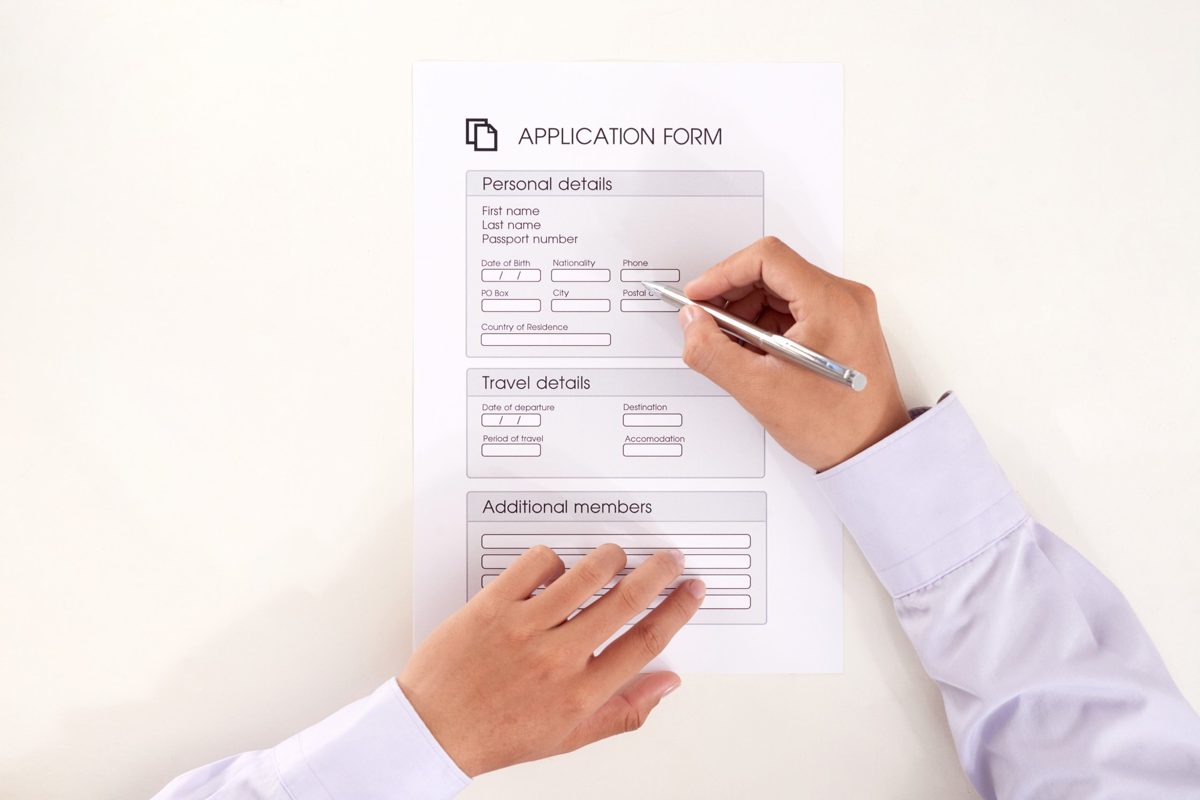
Work in this order. One: get the actual status and reason in writing. Two: fix the root cause completely — rescan, renew, cancel, pay, or rebuild the financial evidence. Three: confirm the fix shows on the system where that applies (cancellations and fine payments can take days to reflect). Four: reapply through a licensed sponsor with the corrected, stronger file, adding a short explanation where the previous problem might be visible.
Timing depends on the cause. Pure document errors can usually be corrected and resubmitted immediately. Financial or security-related refusals are better left for roughly 30–60 days while you strengthen the file — these are practical guidelines from agents’ experience, not official waiting periods, and the authorities do not publish a fixed cooling-off rule. On fees: only part of the government fee may be refundable on a refusal (the ICP refunds the issuance component through its fee-refund service while keeping application and smart-service fees), and agent service charges are usually gone — another reason the corrected second application matters more than a fast one.
Frequently Asked Questions
Does a Dubai visa rejection affect future applications?
A single rejection for a document error, once fixed, is usually not fatal. Repeated rejections without fixing the cause, or a record involving overstays, bans or false documents, will make later applications harder. Accuracy matters more than speed.
Can I appeal a UAE tourist visa rejection?
There is no standardised public appeal for tourist visas. If the application was returned for documents, respond within that application. If it was refused in error, the sponsor can raise it with GDRFA or ICP; otherwise, fix the cause and reapply.
How soon can I reapply after a rejection?
For document mistakes, as soon as they are corrected. For unpaid fines or uncancelled visas, only after the record is cleared and updated. For financial or security reasons, waiting 30–60 days while strengthening the file is the common advice.
Will I get my visa fee back after a rejection?
Partly, at best. Some government issuance fees are refundable through the ICP refund service, but application and service fees — and almost all agent charges — are not. Ask your sponsor what, if anything, is recoverable in your case.
Can an agent guarantee approval on reapplication?
No. Approval is an immigration decision. Any agent guaranteeing it — especially for a large extra fee — should be avoided.
0 Comment