

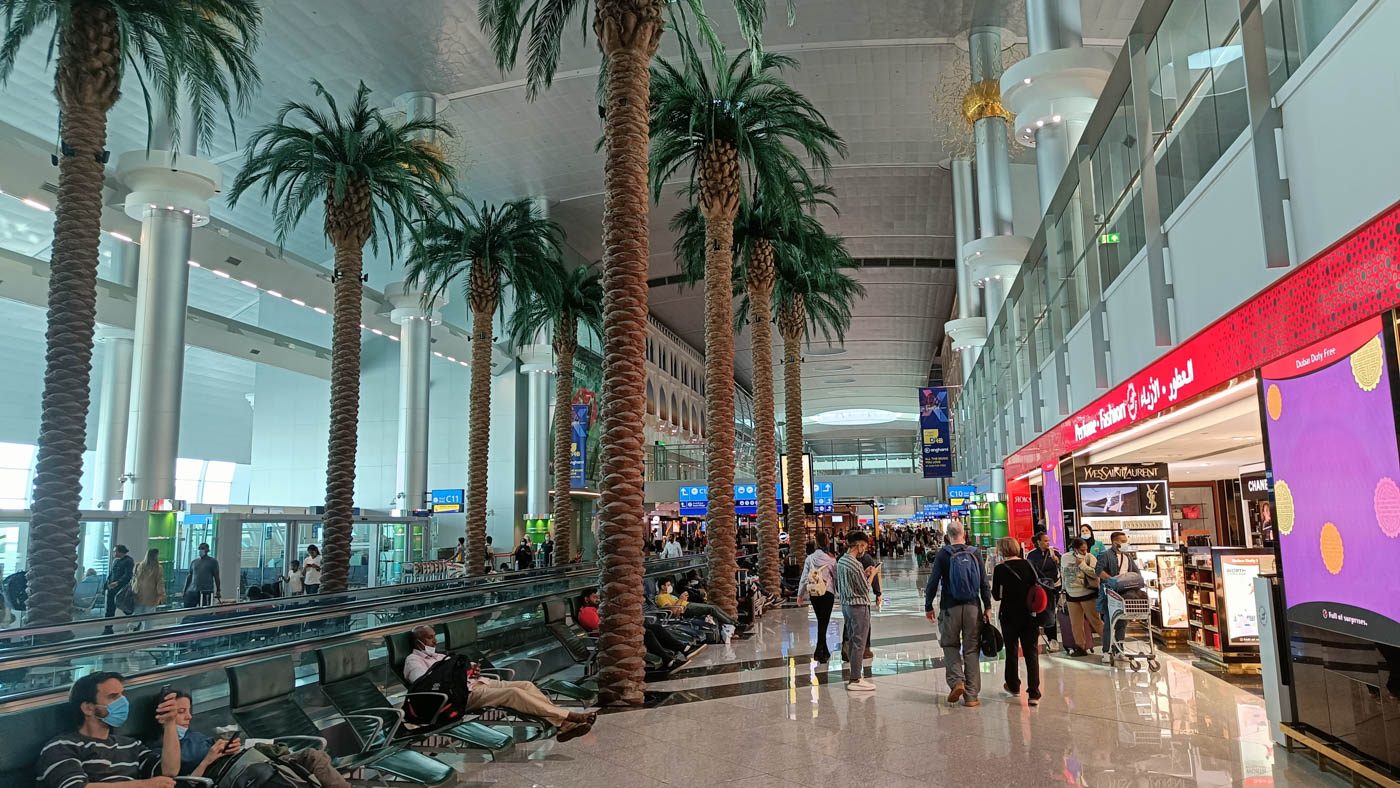

Dubai sits at the crossroads of the world, and if your flight connects through DXB with a long layover, you’ve got a choice: spend it in the departures lounge, or step outside and see the city. The UAE’s transit visas — 48-hour and 96-hour — are what make that second option possible.
But not everyone needs one, and the rules are pickier than most travellers expect. This guide covers who actually needs a transit visa, how the two types differ, and how to get one sorted through your airline before you fly.
Do You Even Need a Transit Visa?

Before you do anything else, work out which of these three situations you’re in — because a lot of people apply for a transit visa they never needed:
1. You’re staying airside. If your layover is short (roughly under 8 hours) and you don’t plan to leave the airport, you typically don’t need any visa at all. You stay in the transit area, follow the signs for connecting flights, and never pass through immigration. Just make sure your connection is on one ticket or that your airline can through-check your bags.
2. Your nationality gets visa on arrival. If your passport qualifies for the UAE’s standard visa-on-arrival scheme (citizens of the UK, US, EU, Australia, and 80+ other countries), you don’t need a transit visa either — just walk up to passport control and get stamped in like any visitor. Our visa-on-arrival guide covers who’s eligible.
3. You need to exit the airport and don’t qualify for visa on arrival. This is who the transit visa is for — travellers with nationalities like India, Pakistan, Nigeria, Bangladesh, and others who want to leave the airport during a layover longer than about 8 hours. You need a confirmed onward ticket to a third country (not back where you came from).
If you’re in that third group, keep reading — and start your application early, because transit visas must be approved before you arrive.
48-Hour vs 96-Hour: Rules, Fees & Validity

The UAE issues exactly two kinds of transit visa. They look similar but behave differently, so pick carefully — a 48-hour visa cannot be upgraded to a 96-hour one after it’s issued.
| 48-hour transit visa | 96-hour transit visa | |
|---|---|---|
| Government fee | Free | AED 50 |
| Stay allowed | Up to 48 hours from entry | Up to 96 hours (4 days) from entry |
| Entries | Single entry | Single entry |
| Extendable? | No | No |
| Minimum layover | About 8 hours | About 8 hours |
| Passport validity | At least 3 months (6 recommended) | At least 6 months |
| Best for | A quick city taste between flights | A proper mini-break: 2–4 days of sightseeing |
A few rules that catch people out:
- Sponsored by airlines only. You can’t apply for a transit visa yourself at a consulate or on arrival. It must be arranged through a UAE-based airline — Emirates, Etihad, flydubai, or Air Arabia — or an authorised travel partner like dnata.
- The clock starts when you’re stamped in, not when the visa is issued. But the visa itself has a use-by date (typically 14–30 days from issuance depending on type), so don’t apply months ahead.
- Non-extendable, non-convertible. If your plans change and you need longer than 96 hours, you’d need a standard tourist visa instead — arrange that before you fly.
- Airlines add service fees. The 48-hour visa is free at the government level and the 96-hour costs AED 50, but the airline processing it will add its own service charge on top.
What You Can Do With 96 Hours in Dubai

Four days is enough to get a genuine feel for the city rather than just ticking off the Burj Khalifa. Here’s a realistic 96-hour plan that doesn’t require sprinting:
Day 1 — Downtown icons: Burj Khalifa (book the observation deck for late afternoon so you catch the fountains at dusk), Dubai Mall, and the Dubai Fountain show in the evening. It’s touristy, but there’s a reason everyone starts here.
Day 2 — Old Dubai: Cross Dubai Creek on an abra (it costs a dirham), wander the Al Fahidi historic quarter, and haggle your way through the Gold and Spice Souks in Deira. This is the Dubai that existed before the towers.
Day 3 — The coast: JBR and Dubai Marina for a beach morning, then Palm Jumeirah in the afternoon — the monorail ride gives you the best sense of its shape. Finish with dinner at the Marina.
Day 4 — Desert: An afternoon desert safari (dune bashing, camel ride, dinner under the stars) is the classic Dubai experience and fits perfectly into a final day before a late flight.
For the full rundown of sights, see our places to visit in Dubai guide — and check the best time to visit so your outdoor days land in bearable weather.
Making a 48-Hour Layover Count

With only 48 hours, forget trying to see everything — pick one side of the city per half-day and you’ll enjoy it far more than rushing between districts. A plan that actually works:
- Hours 0–6: Clear immigration, drop bags at a hotel near the airport or in Deira, and rest. Jet lag is real; don’t fight it on an empty stomach.
- Hours 6–14: Old Dubai — Al Fahidi, the Creek abra crossing, and the souks. It’s close to the airport and walkable.
- Hours 14–24: Sleep properly. A real night’s rest in a hotel beats a lounge chair every time.
- Hours 24–36: Downtown — Burj Khalifa, Dubai Mall, Dubai Fountain. Book the tower slot in advance so you’re not queueing for hours.
- Hours 36–48: A relaxed morning (Marina or JBR if you have time), then back to the airport a full 3 hours before your onward flight — DXB is huge and security lines at peak times are no joke.
Logistics that matter: the metro runs from both airport terminals into the city and is far cheaper than taxis during rush hour. And grab a local SIM as soon as you land — our tourist SIM guide tells you exactly where to buy one at the airport. For the full airport walkthrough, see our Dubai International Airport guide.
How to Apply: Documents, Steps & Timing

There’s no way around it: you apply through the airline. The most common route is Emirates — log in to “Manage Your Booking” on their site and submit a transit visa request linked to your reservation (processing is handled by their authorised visa partner). Etihad, flydubai, and Air Arabia have equivalent processes, and agencies like dnata can arrange it too.
Documents you’ll need:
- Passport valid for at least 6 months (3 months minimum accepted for the 48-hour visa, but 6 is safer)
- A recent passport-style photo on a white background
- Your confirmed onward ticket to a third country
- Hotel booking confirmation (recommended, especially for the 96-hour visa)
Timing: apply at least 4 working days before you travel; processing typically takes 24–72 hours. Once approved, you’ll get the e-visa by email — print it and carry a digital copy too. Airlines check it at check-in, and immigration will want to see it on arrival.
One more tip: if you’re flying Emirates with a connection of 8–26 hours, check whether you qualify for Dubai Connect — their free stopover programme that can include a hotel, meals, transfers, and the entry visa arranged by the airline. It’s available on select routes and must be booked in advance, but it can make the whole transit-visa question moot. Details are on the UAE’s official portal u.ae and in this 2026 transit visa guide.
Frequently Asked Questions
Can I get a transit visa on arrival at Dubai airport?
No. Transit visas must be arranged and approved before you travel, through a UAE-based airline. Don’t assume you can sort it at the counter — you risk being denied boarding at your departure airport. If your nationality qualifies for visa on arrival instead, that’s the simpler route; see our visa-on-arrival guide.
What if my layover is longer than 96 hours?
A transit visa won’t cover it. You’ll need a standard tourist visa arranged in advance — our tourist visa guide walks through the options. Don’t try to stretch a transit visa; overstaying is fined daily and enforced strictly.
Does the 48-hour transit visa really cost nothing?
The UAE government charges no fee for the 48-hour visa itself, and the 96-hour visa costs AED 50. But the airline or agency processing your application will add its own service charge, so expect to pay something — ask for the total before you confirm.
Can I leave the airport on separate tickets?
Yes, but be careful. On separate PNRs, you’ll need to collect and re-check your bags, which eats into your layover time and complicates the onward-ticket requirement. Leave generous buffers, and confirm with both airlines that your documents will be accepted — as explained in this layover visa walkthrough.
Do children need a transit visa too?
Yes — every traveller, including infants, needs their own visa to exit the airport. Apply for the whole family together through the airline so the approvals arrive as a set.
0 Comment