

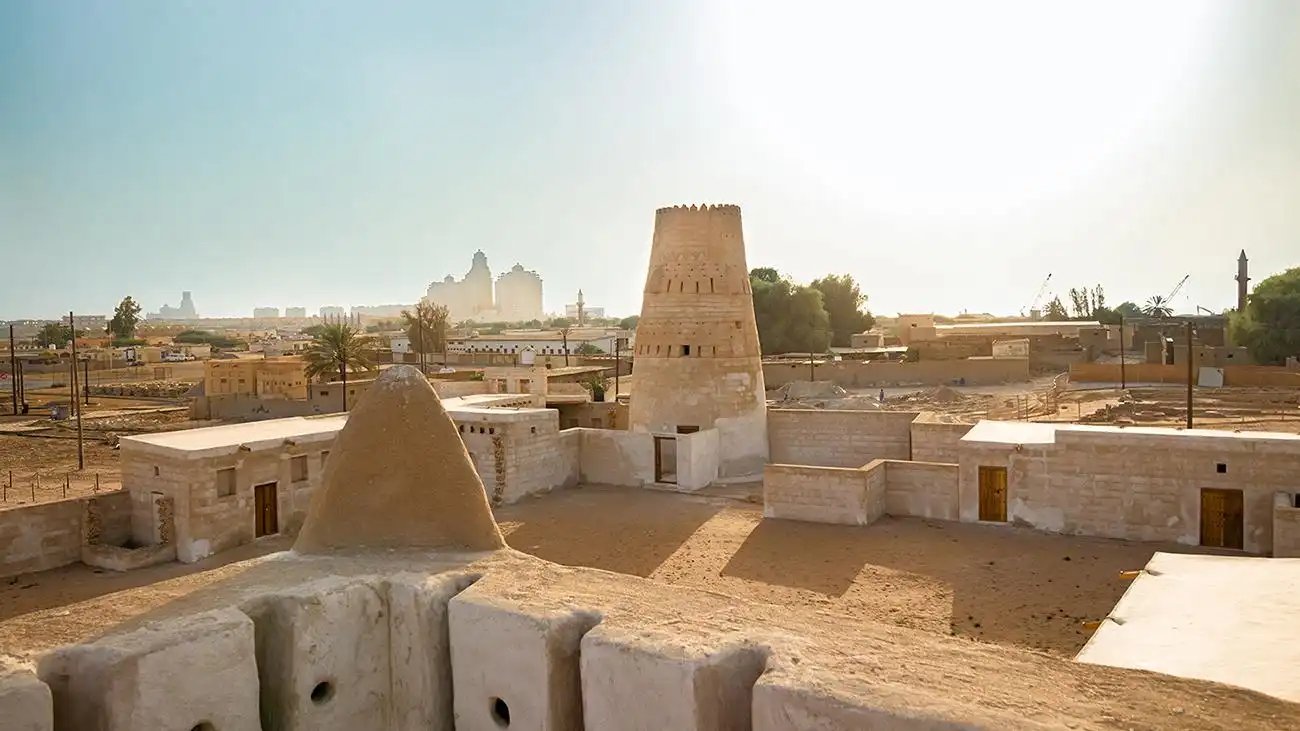

Ras Al Khaimah has a second famous old town to set beside its mountain: Al Jazirah Al Hamra, a pearling village built from coral stone and beach rock, emptied by its residents around the end of the 1960s and now preserved as the Gulf’s best surviving example of a pre-oil coastal town. From Dubai it is an easy motorway run of about an hour and a half — and an ideal pairing with an afternoon on RAK’s beaches or an evening at Dhayah Fort.
Unlike a ruin you peer at from a fence, the heritage village is laid out to walk: sandy lanes, courtyard houses, mosques, a souk area and a fort, with information panels and seasonal guided walks. This guide covers the drive, what to look for on the lanes, and how to build the rest of the day around it. If mountains are more your thing, our Jebel Jais day trip guide covers RAK’s other headline trip.
Why Al Jazirah Al Hamra Matters
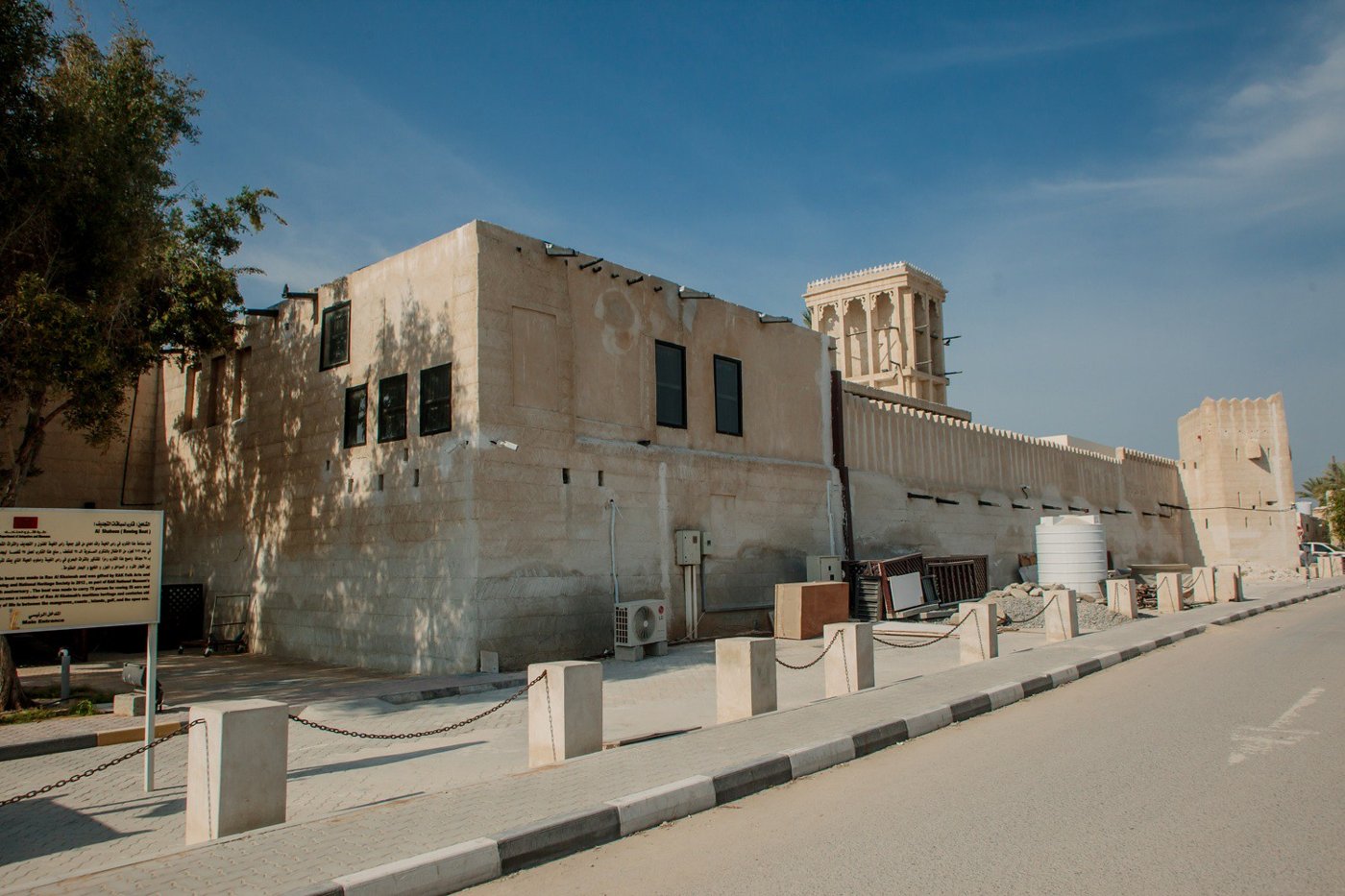
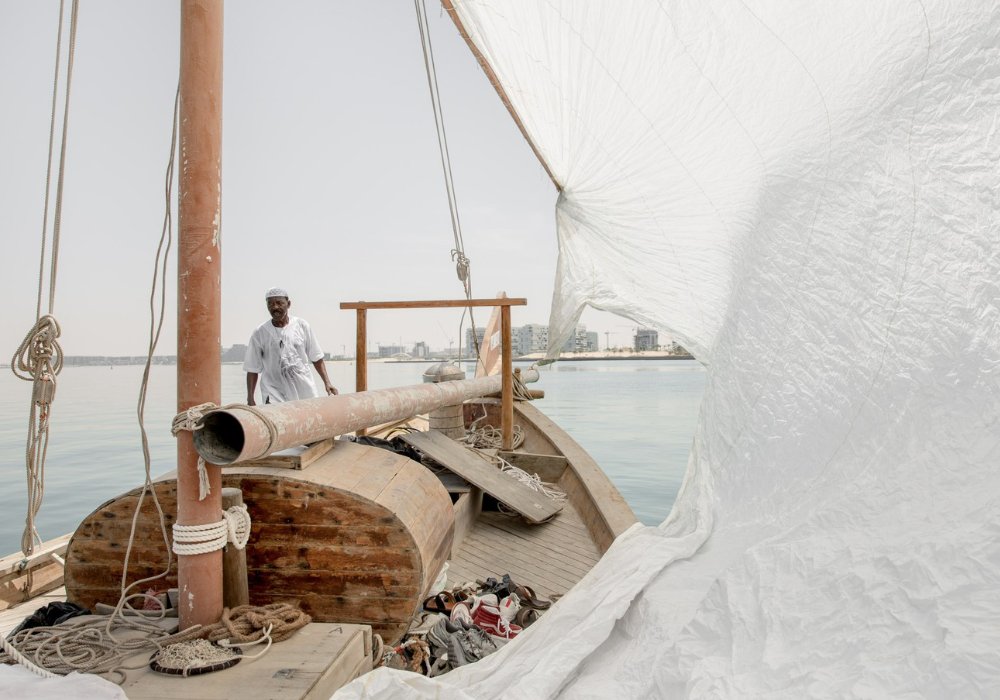
For centuries this was a working pearling and fishing town on a tidal island, home to the Zaab tribe, whose divers and traders crewed boats across the Gulf. When the pearl trade collapsed and new housing and work opened elsewhere, residents left between roughly 1968 and 1971 — many to Abu Dhabi — and the town simply stood still. Ras Al Khaimah’s dry climate did the preservation work: houses, wind towers and mosques survived in a state that money has since been spent stabilising rather than rebuilding.
That makes the village a record of how coastal Emiratis actually lived before oil wealth: summer and winter houses, rooms arranged around courtyards for shade and privacy, and building materials gathered from the shore itself. It is now managed as a heritage site and hosts the annual Ras Al Khaimah Art festival, when the old lanes fill with exhibitions and installations — a striking contrast if your visit coincides. Background on the village and other free heritage stops nearby is collected in Wow-RAK’s guide to free things to do in Ras Al Khaimah.
The Drive from Dubai and Opening Practicalities
The route is simple motorway driving: Sheikh Mohammed Bin Zayed Road (E311) or Emirates Road (E611) north through Sharjah and Umm Al Quwain to Ras Al Khaimah, exiting towards Al Hamra in the south of the city. Expect about 100–115 km and 1 hour 20 minutes to 1 hour 40 minutes depending on Sharjah traffic — leave Dubai before 8am on weekends to keep it at the easy end. The village has on-site parking and entry has been free.
Visitor information lists the heritage village as open Tuesday to Sunday, roughly 9am to 5pm, closed Mondays — but hours are adjusted seasonally and around the art festival, so confirm on the official village channels before a long drive. There is little shade and, inside the village itself, minimal facilities: the malls and cafes of Al Hamra, five minutes away, are your base for toilets, coffee and lunch. Carry water and a hat even in winter.
How Long to Allow
Ninety minutes covers the lanes at a photographer’s pace; two to three hours if you read the panels, join a guided walk in the cooler months, or visit during the art festival. It is a morning site — arrive at opening for empty lanes and the best light on the coral walls.
Walking the Village: What to Look For
Start at the fort and the larger merchant houses near the entrance, where the construction is easiest to read: walls of coral blocks and beach rock set in mud and gypsum, roofs of mangrove poles and palm matting, and wind towers (barjeel) angled to catch the sea breeze — the air conditioning of the pearl era. Compare the grand courtyard houses of boat-owning families with the small palm-frond (arish) homes of poorer divers: the whole social ladder of the town survives in its buildings.
Further in, find the mosques, the old souk street and the school. Interpretation panels explain most of it, and in the cooler months volunteer-guided tours add the human stories — which family lived where, and where they went. Rules are simple and enforced by common sense as much as staff: do not climb on walls or enter unstable buildings, do not take fragments away, and photograph respectfully — the village is a memorial to a community, not a film set. Our places to visit in Ras Al Khaimah guide places the village among the emirate’s other stops.
Build the Rest of the Day: Al Hamra, Beaches and Dhayah Fort
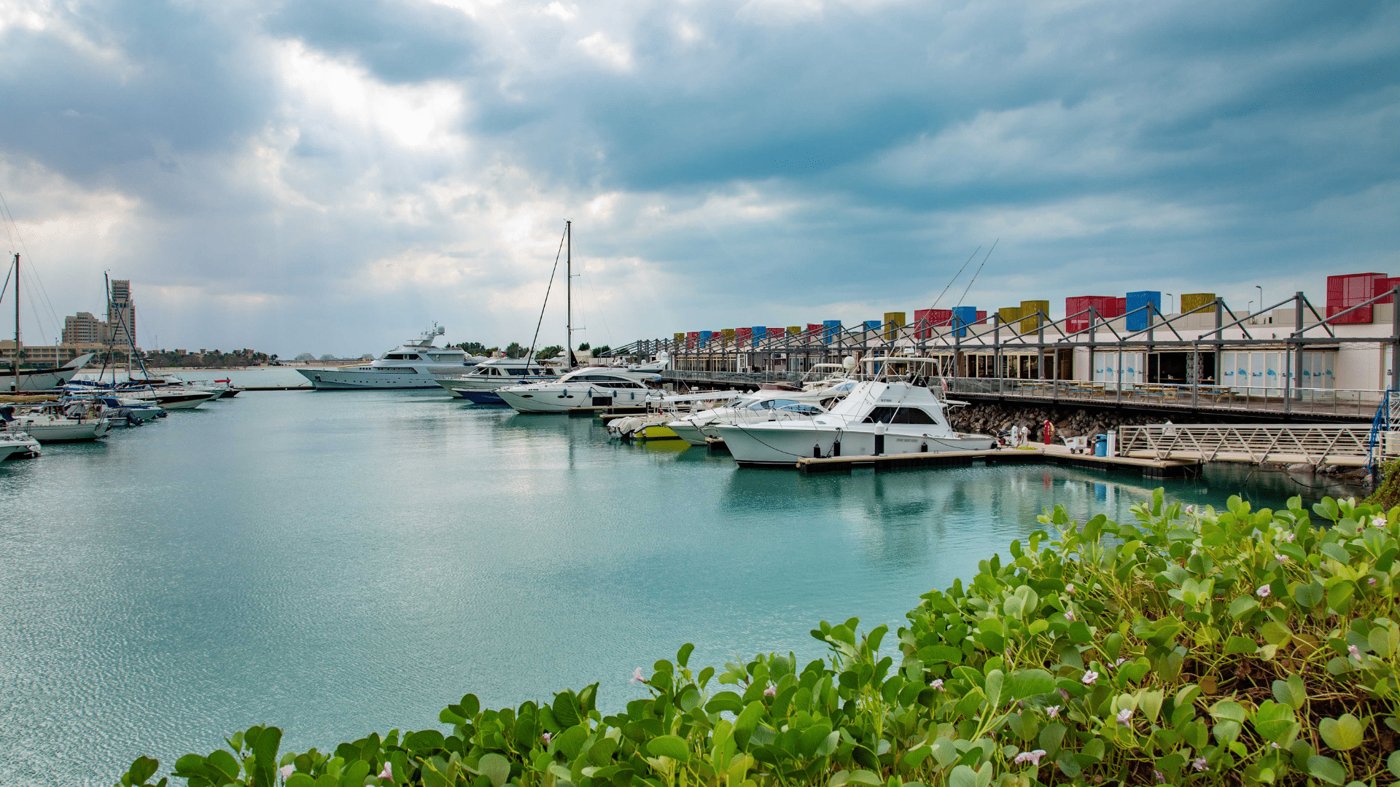
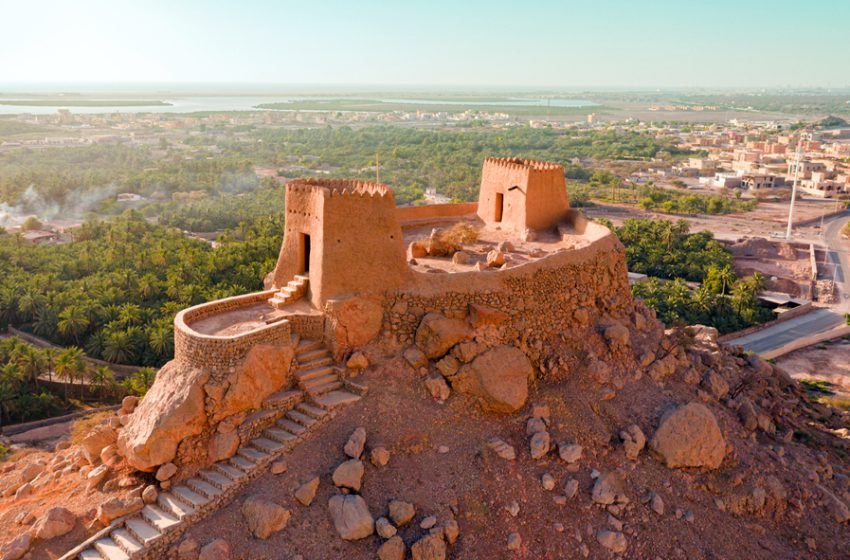
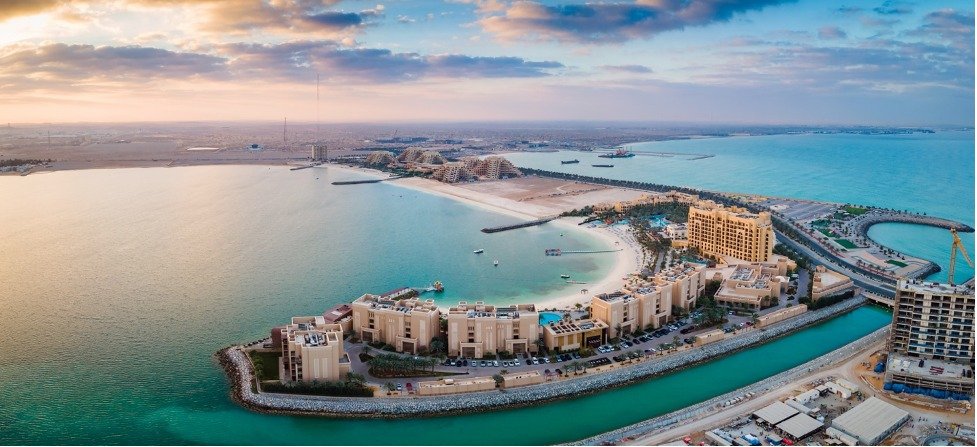
The natural pairing is north: drive 25 minutes to Dhayah Fort, the hilltop mud-brick fort above the palm groves at Rams, climb its steps for the classic view over the plantations to the sea, and stop at the National Museum of Ras Al Khaimah in the old town if it is open on your day. Alternatively, lean into the coast: Al Hamra’s marina, mall and public beaches are within minutes of the village, and a beach afternoon after a dusty morning is the rhythm most families choose.
With an early start and your own car, a satisfying loop is: village at 9am, Al Hamra lunch, Dhayah Fort mid-afternoon, and the motorway home before the evening Sharjah traffic builds. In winter, sunset from the fort or the Al Hamra waterfront is the right finale. Travellers without a car can reach RAK city by intercity bus from Dubai and take a taxi the last stretch — allow extra time, as the village is not on a bus route.
The RAK Art Festival and Special Visits
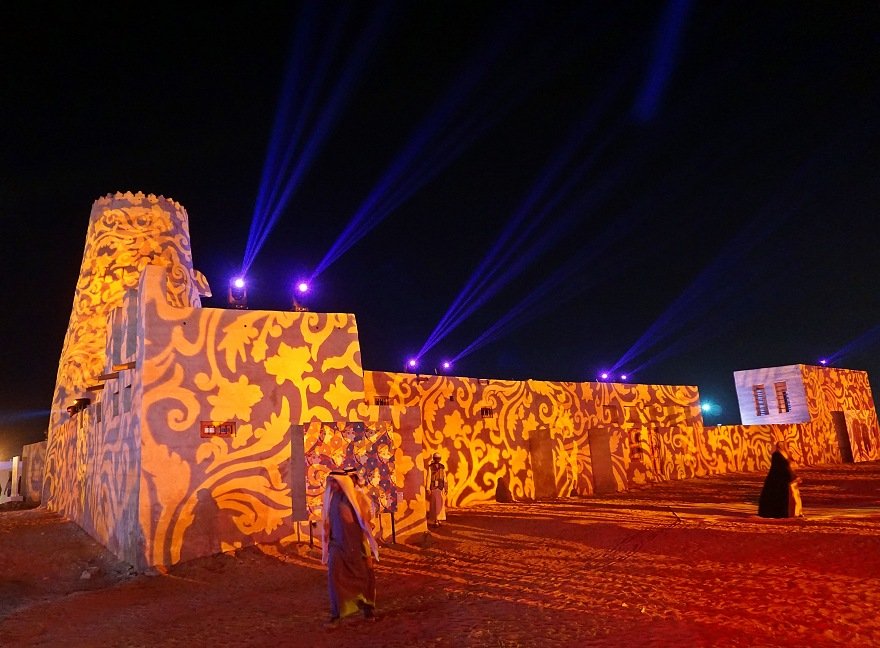
Each year, usually across several weeks in the cooler season, the village hosts the Ras Al Khaimah Art festival (formerly the Fine Arts Festival): photography and art installed inside the old houses, workshops, film nights and food stalls, much of it in the evenings. It is the one time the ghost town feels inhabited, and for many visitors it is the best version of the trip — the buildings lit, the lanes busy, and guides on hand.
Festival dates and the year’s theme are announced by the organisers each season; check the official festival and village pages when planning a winter trip, and book any ticketed evening events ahead, as the popular nights fill. Outside the festival, special guided walks and school-holiday activities are also listed on the village’s official visitor page, summarised in listings such as Kidzapp’s family guide to the village.
Practical Tips for the Trip
Dress for a heritage site in a traditional area: covered shoulders and knees are appropriate, and sturdy closed shoes beat sandals on the sandy, uneven lanes. Bring water, sun protection and a power bank; there is no cafe inside the village. Drones require UAE permits and should not be flown over the site without checking current rules.
Combine expectations honestly: this is a quiet, reflective place, not an attraction with rides or shows. Visitors who love old buildings, photography and Gulf history rate it among the UAE’s best free sights; visitors wanting a full-service day out should pair it with the beach or mall stops above. For the emirate’s official visitor information, start with Visit Ras Al Khaimah, and for getting around Dubai at either end of the trip, our Nol card guide covers the Metro and bus connections.
Frequently Asked Questions
How far is Al Jazirah Al Hamra from Dubai?
About 100–115 km, roughly 1 hour 20 minutes to 1 hour 40 minutes by motorway depending on traffic through Sharjah. Leaving Dubai before 8am keeps the drive at the easy end.
Is Al Jazirah Al Hamra free to enter?
Entry to the heritage village has been free, with on-site parking. Special festival events in the season may be ticketed — check the official village and festival pages before you go.
What are the opening hours?
Visitor listings show Tuesday to Sunday, about 9am to 5pm, closed Mondays, with seasonal adjustments. Confirm current hours on official channels before setting out.
Why was the village abandoned?
Its pearling and fishing economy declined and residents moved away around 1968–1971, many relocating for work and modern housing. The dry climate and later conservation preserved the empty town unusually well.
Can I visit Al Jazirah Al Hamra without a car?
Yes, with effort: intercity buses run from Dubai to Ras Al Khaimah city, then a taxi covers the final stretch to the village near Al Hamra. A rental car or organised tour is simpler.
0 Comment