



Most problems at Dubai immigration are decided before you ever reach the airport: a passport with too little validity left, the wrong visa category, or no return ticket booked. This guide pulls the entry requirements together in one place — the passport rule, who needs a visa in advance, what officers may ask to see, and what happens between landing and the arrivals hall — so you can check yourself against it in five minutes.
It is written for tourists. If you are moving to the UAE for work or study, your employer or institution sponsors a different process. Requirements are set by the UAE’s Federal Authority for Identity, Citizenship, Customs and Port Security (ICP) and, for Dubai-issued visas, the GDRFA; the official starting point for current rules is the UAE government portal at u.ae. Where your nationality’s exact visa category matters, start with our Dubai tourist visa guide and the visa on arrival country list.
The Passport Rule: Six Months, No Exceptions
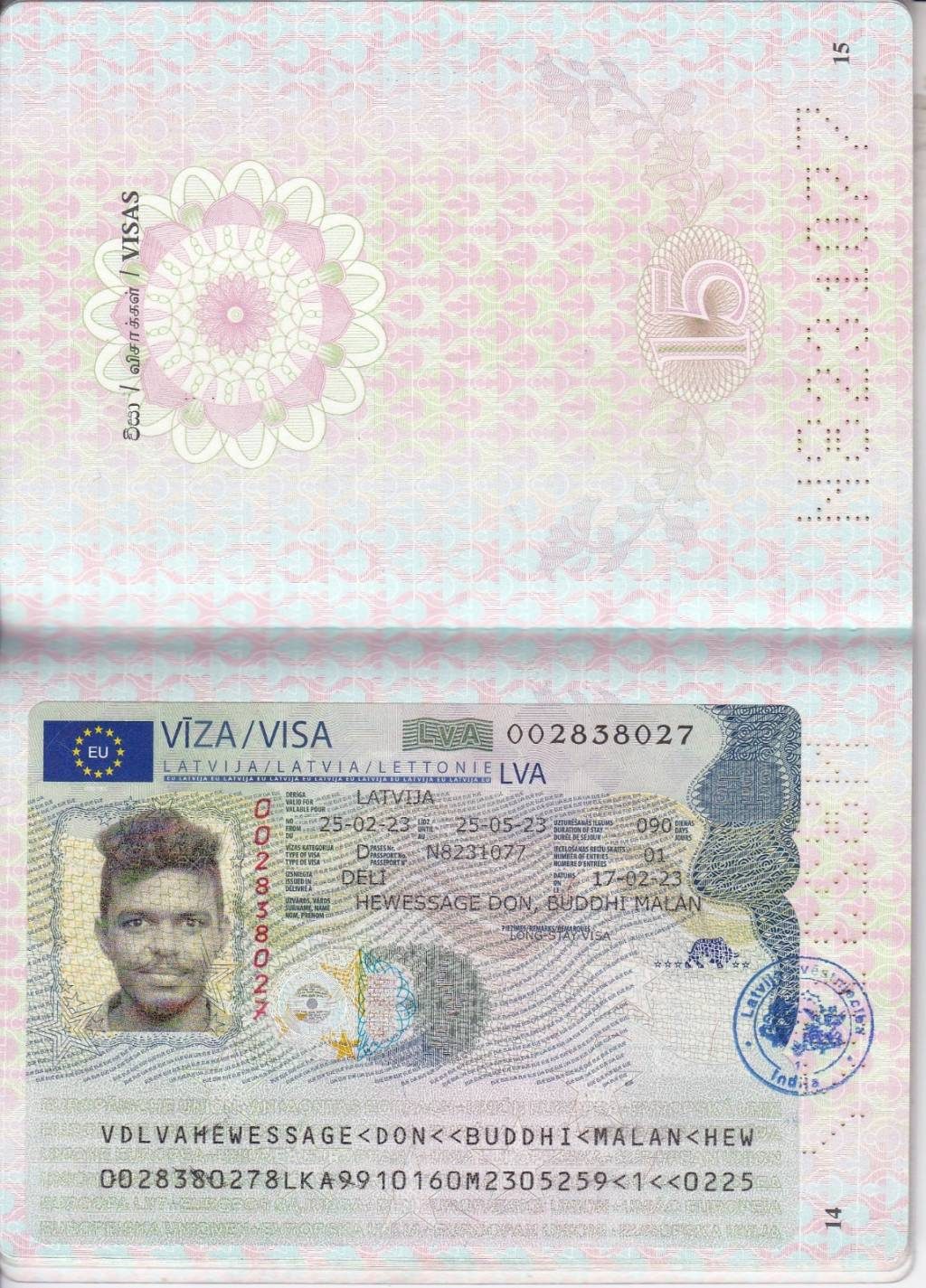
Your passport must be valid for at least six months from the date you enter the UAE. This is the rule that catches people out most often, because airlines enforce it at check-in: if your passport expires within six months of arrival, you will likely be refused boarding, and no visa approval overrides it. Count from your arrival date, and if you are anywhere near the line, renew the passport first and then apply for any visa with the new document.
Your passport should be a normal machine-readable passport with blank space for stamps. Emergency and temporary passports are treated differently — some are not accepted for entry at all — and handwritten passports are not accepted. If you hold dual nationality, travel on the passport your visa was issued against, and carry both if your visa and your visa-free access sit on different passports.
Who Needs a Visa Before Travel?
There are three broad groups. Citizens of GCC countries enter with their national ID or passport and no visa. A second group of nationalities receives a free visa on arrival — typically 30 or 90 days depending on nationality — stamped at immigration with nothing to arrange in advance. Everyone else must hold an approved entry permit before travelling, arranged through an airline, hotel, licensed agency or a UAE-based sponsor.
The lists change occasionally, so never rely on a friend’s experience from a few years ago or on a random forum post. Check your exact nationality on the official portal or your airline’s visa information page in the week you book. Travellers from the largest visitor markets have dedicated guides on this site — for example the UAE visa guide for Pakistani citizens and the guide for Egyptian citizens — which cover their specific arrangements.
What Immigration May Ask to See
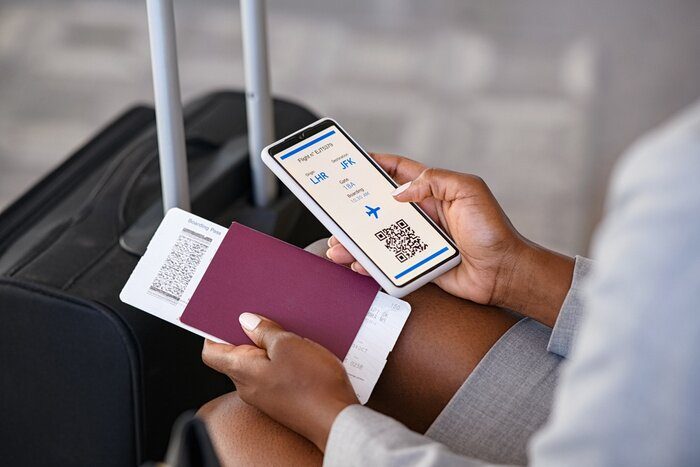
Alongside your passport and visa, officers can ask for evidence that your trip is what you say it is. The three things most commonly requested are a confirmed return or onward ticket, proof of accommodation for at least the first nights — a hotel booking or your host’s address and contact details — and evidence that you can support yourself during the stay, which can mean bank statements or simply being able to show sufficient funds.
Not every traveller is asked, and checks are often light for organised tourists. But being unable to produce a return ticket is a genuine problem: it is a standard condition of tourist entry. Keep digital copies on your phone and printed copies in your hand luggage, because phones die and airport Wi-Fi takes time to join. Travel insurance is strongly recommended for any trip; for some visa categories a policy covering the UAE is part of the application itself.
Customs: What You Can and Cannot Bring
Duty-free allowances cover the usual personal items and gifts up to a published value limit, and there are cash declaration rules for travellers carrying large sums — amounts above the threshold (AED 60,000 or equivalent) must be declared through the official disclosure system. The allowances and thresholds are published by UAE customs authorities and occasionally revised, so check the current figures on official channels if you plan to carry valuables or significant cash.
The item that deserves real care is medication. Some medicines that are sold freely elsewhere are controlled in the UAE, and carrying them without the right prescription paperwork can cause serious trouble at customs. Check your medication against the UAE’s controlled list before you travel, carry prescriptions for anything you bring, and keep medicines in their original packaging in your hand luggage. E-cigarettes, drones and certain electronics also have specific rules — drones in particular require registration and permits to fly.
What Happens When You Land at DXB

Dubai International handles arrivals in a set order: immigration first, then baggage reclaim, then customs. At immigration, many visitors are directed to smart gates that read the passport electronically; first-time visitors and families with young children are usually processed at staffed counters, where your photograph and fingerprints may be taken as part of the entry record. If you hold a pre-arranged visa, have the printed permit ready with your passport.
Once through, the airport connects directly to the Metro’s Red Line from Terminals 1 and 3, taxis queue outside every terminal, and hotel transfers meet passengers in the arrivals hall. Our Dubai International Airport guide maps the terminals and onward transport, and picking up a local SIM or eSIM at the airport — covered in our tourist SIM guide — keeps your documents and maps available from the moment you land.
Frequently Asked Questions
How long must my passport be valid for Dubai?
At least six months from your date of entry. Airlines enforce this at check-in, so renew first if you are close to the limit.
Do I need a return ticket to enter Dubai as a tourist?
Yes — a confirmed return or onward ticket is a standard condition of tourist entry, and immigration may ask to see it. Book it before you travel.
How much money do I need to show?
There is no single published amount applied to every tourist, but officers may ask for evidence of sufficient funds for your stay. Carry bank statements or cards that show you can support your trip.
Can I enter Dubai on an emergency passport?
Many emergency or temporary passports are not accepted for UAE entry. If you are travelling on one, confirm acceptance with your airline and UAE authorities before booking.
What happens if my documents are not in order?
In most cases the problem surfaces at airline check-in, where boarding is refused. At the border, travellers who do not meet entry conditions can be refused entry and returned on the next available flight — which is why the five-minute check in this guide matters.
0 Comment