

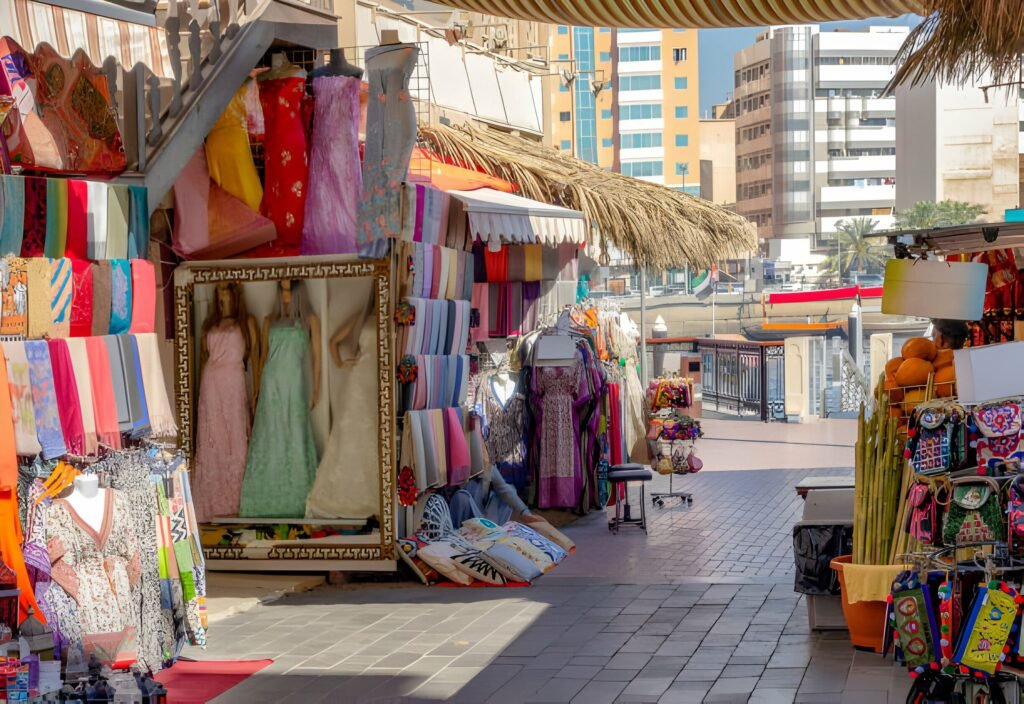

Dubai has a reputation for luxury, but anyone who has bought an abaya in Deira for the price of a mall coffee knows the other side of the story. Modest fashion in this city runs the full price spectrum — from AED 50 souk finds to four-figure designer pieces — and the affordable end is not a compromise. It’s a parallel shopping culture with its own neighbourhoods, rules, and quality tells. Here’s where to shop, what things typically cost, and how to spot a bargain that’s actually worth it.
The Budget Modest-Wear Landscape: What Things Typically Cost
To calibrate expectations: basic ready-made abayas in Dubai’s traditional markets typically start from around AED 50, with more detailed embroidered styles in the AED 200–300 range depending on fabric and handwork. Online, prices start even lower — some platforms list simple abayas from around AED 39 — while mid-range high-street options from retailers like Namshi or Splash Fashions generally sit under AED 200.
The market splits into three tiers. The souks and wholesale areas (Deira, Bur Dubai, Dragon Mart) are where prices are lowest and haggling is expected. Mid-tier malls and high-street brands offer fixed prices with seasonal sales. And made-to-measure tailors — common in Karama and Naif — often land in between: a custom-stitched abaya from your own fabric can cost less than a luxury ready-made piece while fitting you properly. If you’re planning the shopping days around a tight overall budget, the Dubai on a budget itinerary helps you stack markets, meals, and transport cheaply.
Karama: Tailors, Textiles, and Bargain Hunting
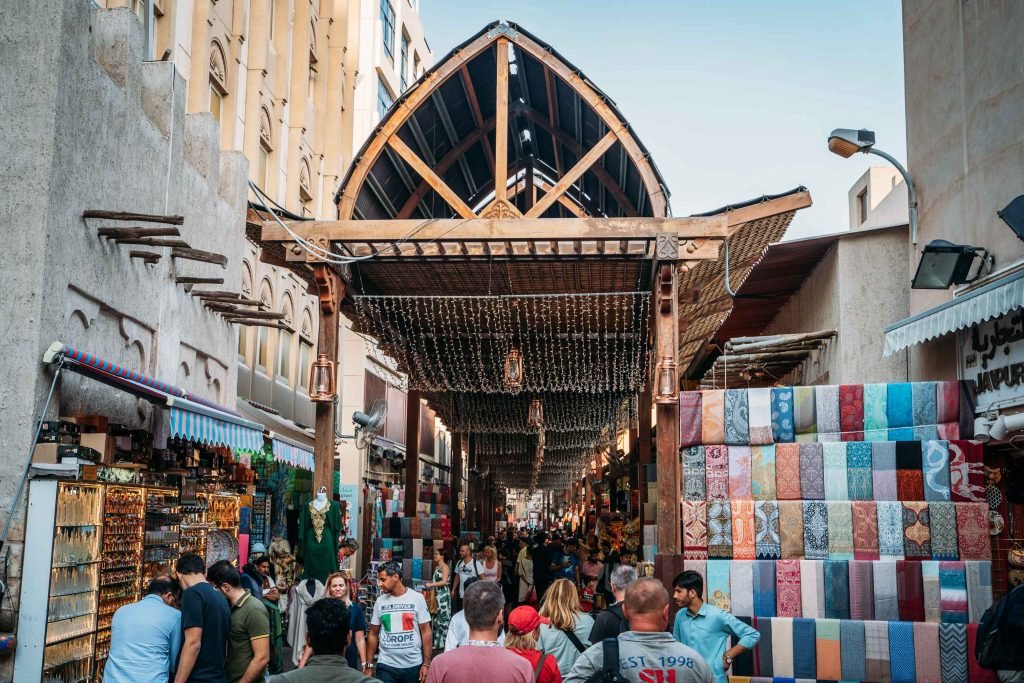
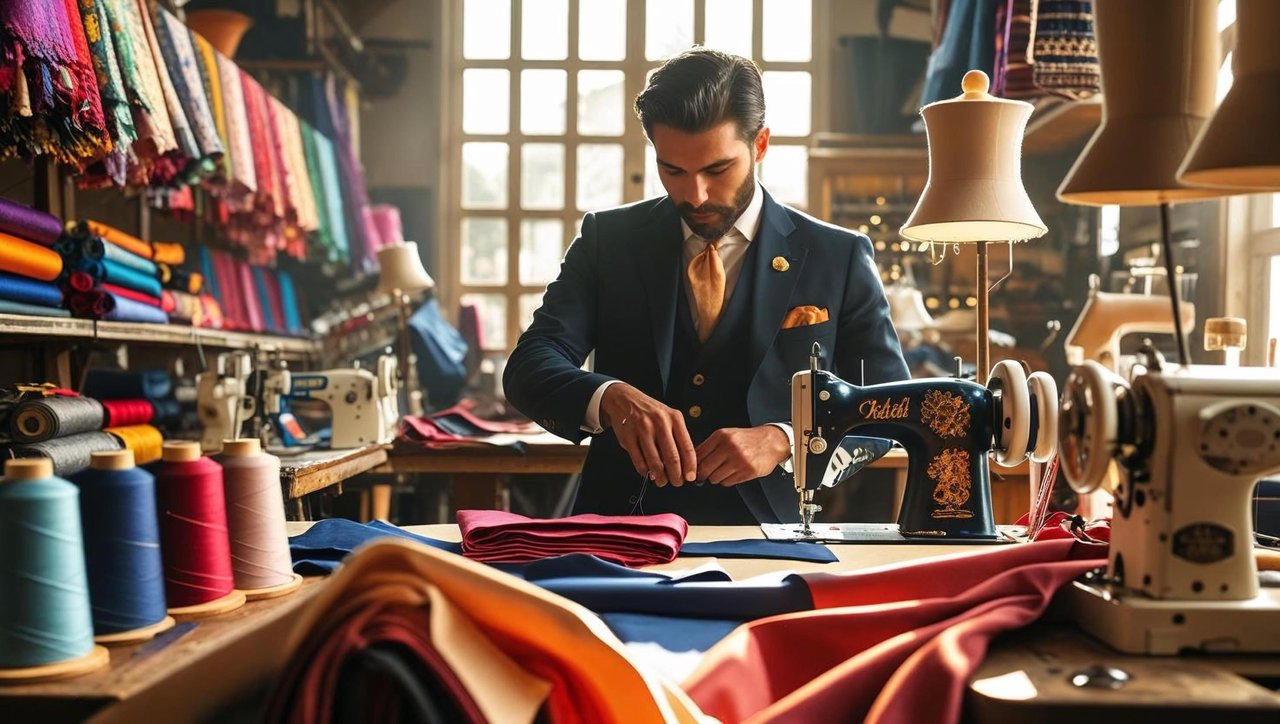
Karama is one of Dubai’s oldest shopping districts, and its reputation is built on two things: fabric shops and tailors. The streets are lined with textile stores selling rolls of crepe, chiffon, cotton, and lace at per-metre prices that make custom clothing realistic for ordinary budgets. Buy the fabric, walk it to one of the many tailoring shops in the same block, and you have a made-to-measure abaya or kaftan in a few days.
This is the route experienced shoppers take when they want quality on a budget. A tailor-stitched piece from Karama typically costs less than a designer ready-made abaya, and it fits — no more too-long sleeves or gaping necklines. Bring a reference garment you like the fit of, be specific about measurements, and agree the price and completion date before leaving fabric. Most tailors in the area are used to tourist timelines and will tell you honestly whether your deadline is doable.
Karama also has ready-made shops with prices well below mall level, and the whole area is walkable from the ADCB metro station, which keeps transport costs near zero. Bargaining is normal here — start at roughly two-thirds of the quoted price and meet in the middle.
Deira’s Naif Souq and Meena Bazaar: The Wholesale End
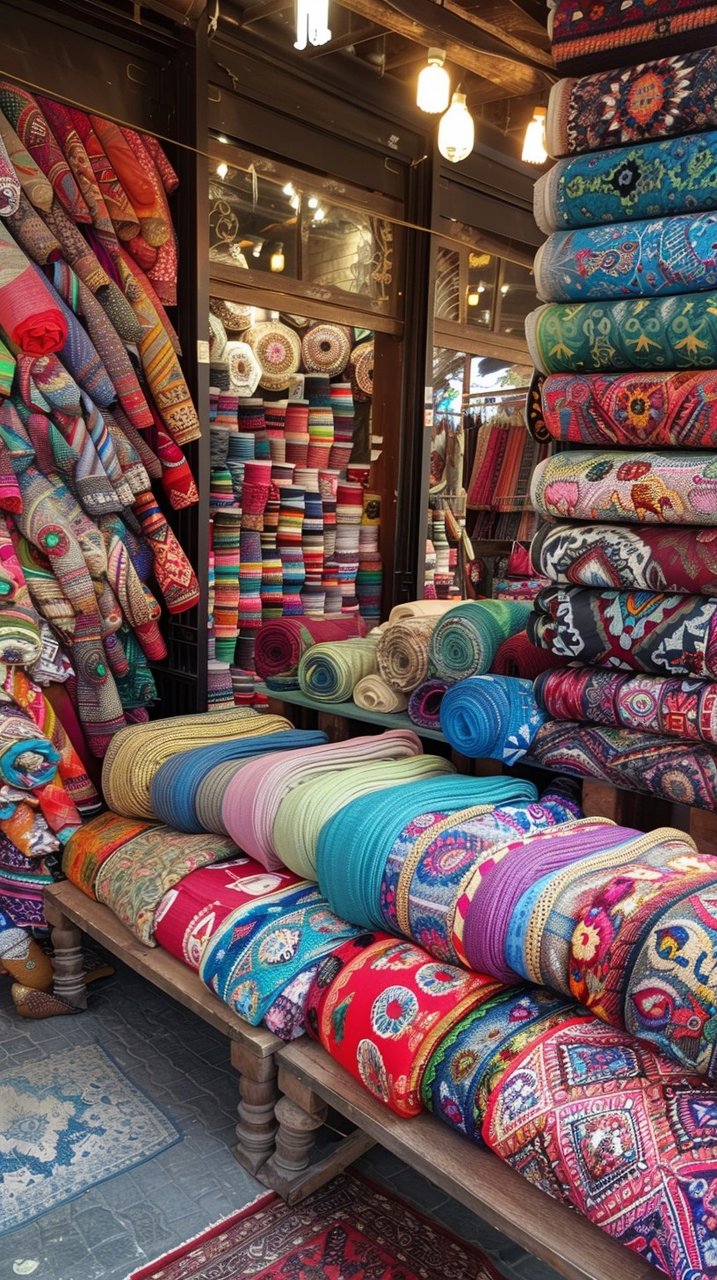
Across the Creek in Deira, Naif Souq is the name most budget shoppers learn first. This is the old souk area with a dense concentration of stalls and shops selling abayas in huge variety — basic black pieces from around AED 50, rising to AED 200–300 for embroidered or embellished styles. The market is traditional rather than polished: many stalls are outdoors, and you should leave plenty of time to browse properly.
Haggling is not optional here — it’s the expected way to shop, and vendors quote accordingly. Check stitching, zips, and hems before you pay, and compare across several stalls before committing; the same style often appears at multiple prices. Meena Bazaar in Bur Dubai plays a similar role with a strong wholesale culture — shops here are used to bulk buyers, so prices soften if you’re buying several pieces, and custom designs are commonly available.
A word of honest advice you’ll hear from regulars: if you want the absolute cheapest abayas in the UAE, shoppers point to Sharjah and Ajman. But for visitors staying in Dubai, Naif and Meena Bazaar deliver the best value without leaving the city — and the experience of shopping a working souk is part of the trip. The Dubai shopping guide maps out how these areas fit around the malls.
Dragon Mart: The Giant for Bulk and Bargains
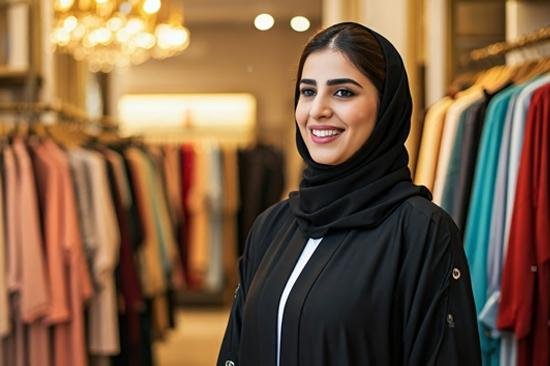
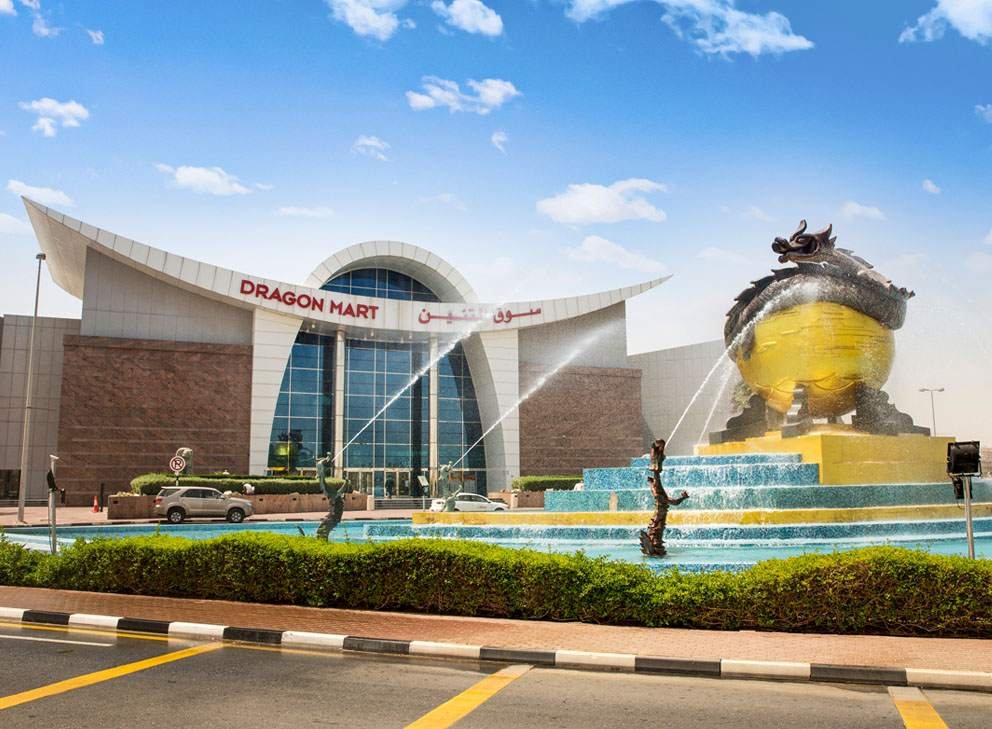
Dragon Mart, out on the city’s edge, is the largest Chinese trading hub outside China — and one of the most underrated stops for affordable modest fashion. The complex is enormous, with sections dedicated to textiles and garments where abayas and modest pieces sell at wholesale-adjacent prices. It’s a favourite for buyers who want quantity: outfitting a whole family, stocking up for Ramadan or Eid, or buying gifts to take home.
The trade-off is curation. Dragon Mart rewards patience — you’ll walk past a lot of average stock to find the good stalls, and quality varies widely between shops. Inspect fabric weight and finishing carefully, try things on where fitting rooms exist, and don’t assume the first price is the real one. Prices for embroidered and beaded abayas here can undercut the souks during clearance periods, and the sheer competition between neighbouring stalls works in your favour.
Getting there takes planning — it’s well outside the tourist core, so budget the metro-and-taxi time. Go with a list, wear comfortable shoes, and treat it as a half-day expedition rather than a quick stop.
Affordable Online Stores: Namshi, Noon, and Amazon UAE
If markets aren’t your pace, Dubai’s online modest-wear scene is genuinely competitive. Namshi carries affordable black abayas typically under AED 200, from casual everyday cuts to embroidered options, with regular flash sales and free-shipping thresholds. Noon and Amazon UAE both list wide selections of budget abayas from local sellers — prices for simple styles start from around AED 39 on some platforms — though you should read reviews and check size charts carefully, since sizing varies between sellers.
Splash Fashions, the high-street brand with stores in most malls, has added modest collections with abayas in basic black and neutral shades, generally under AED 200 — useful if you want to try before you buy and still keep the receipt low. Open-front and kimono-style abayas, popular for layering, are widely available online with prices typically starting from around AED 60.
Timing matters as much as the platform. The Dubai Shopping Festival and Eid sale seasons bring deep discounts across both malls and online stores, and Ramadan itself sees many brands release affordable seasonal collections — worth knowing if you’re also planning outfits for the month (see the Ramadan visitor guide). Buying slightly ahead of the festive rush usually beats buying during it.
FAQs
How much does a basic abaya cost in Dubai?
In traditional markets like Naif Souq, basic abayas typically start from around AED 50, with embroidered styles in the AED 200–300 range. Online prices can start from around AED 39, while high-street brands generally stay under AED 200.
Is haggling acceptable in Dubai’s markets?
Yes — in souks and traditional markets like Naif Souq, Karama, and Meena Bazaar, haggling is expected. Start around two-thirds of the quoted price and negotiate politely. Fixed-price malls and chain stores don’t bargain.
Where is the cheapest place to buy abayas in Dubai?
Naif Souq in Deira and Dragon Mart are usually the cheapest options inside Dubai, with Meena Bazaar close behind for wholesale-style deals. For the absolute lowest prices in the UAE, shoppers often point to Sharjah and Ajman.
How can I tell a good-quality budget abaya from a bad one?
Check that stitching is neat and even, seams are finished inside, embroidery sits flat with no loose threads, and the fabric has some weight rather than feeling papery. Try it on if you can — a well-cut cheap abaya beats a poorly cut expensive one.
When is the best time to buy modest fashion cheaply in Dubai?
During the Dubai Shopping Festival, Eid sales, and Ramadan seasonal promotions, when discounts run across malls and online stores. In the souks, prices are negotiable year-round, so timing matters less than bargaining well.
0 Comment