

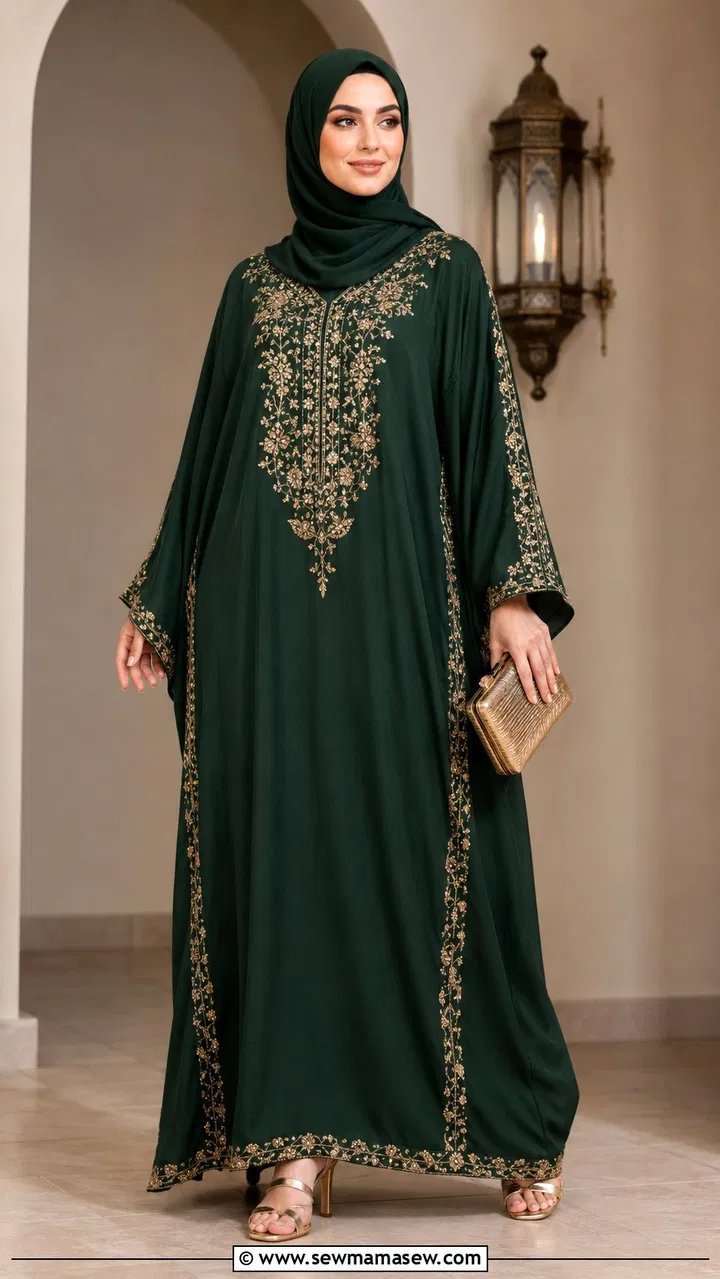

Dubai’s fashion calendar has two gears: the everyday one, and the Ramadan one. Once the crescent moon is sighted, the city shifts its social life to after sunset — iftar invitations stack up, malls stay open past midnight, and the evening uniform quietly changes. Modest dressing here isn’t just a guideline; during the Holy Month it becomes the shared language of the season. This is a style guide for exactly that: what to wear to iftars, mall nights, and Taraweeh prayers in Dubai, plus where to find the pieces.
What Ramadan Nights Ask of Your Wardrobe
First, the basics of the month. Ramadan in Dubai is defined by the fast from dawn to dusk, with the city coming alive after sunset for iftar and suhoor gatherings. If you’re visiting during the month, the general Ramadan guide covers timings and etiquette — but in outfit terms, the rule of thumb is simple: cover shoulders and knees, keep fits relaxed rather than figure-hugging, and choose fabrics that handle warm evenings.
Ramadan collections in Dubai boutiques reflect this — longer dresses, loose-fitted garments, and light, heat-friendly fabrics that keep modesty without overheating. Darker evenings don’t mean heavy fabrics; breathable crepe, chiffon layers, and cotton-linen blends do most of the work. And because the month is heavy on social gatherings, most women plan around three dress codes: the dressy iftar, the casual mall evening, and the comfortable Taraweeh outfit.
Iftar Looks: Dressing for the Evening Feast
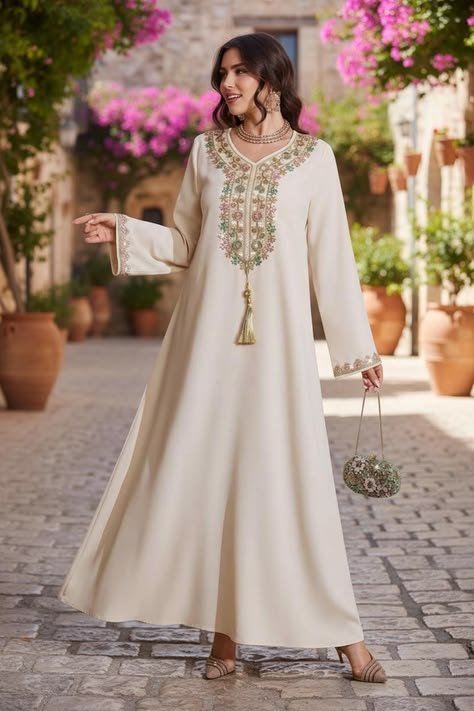
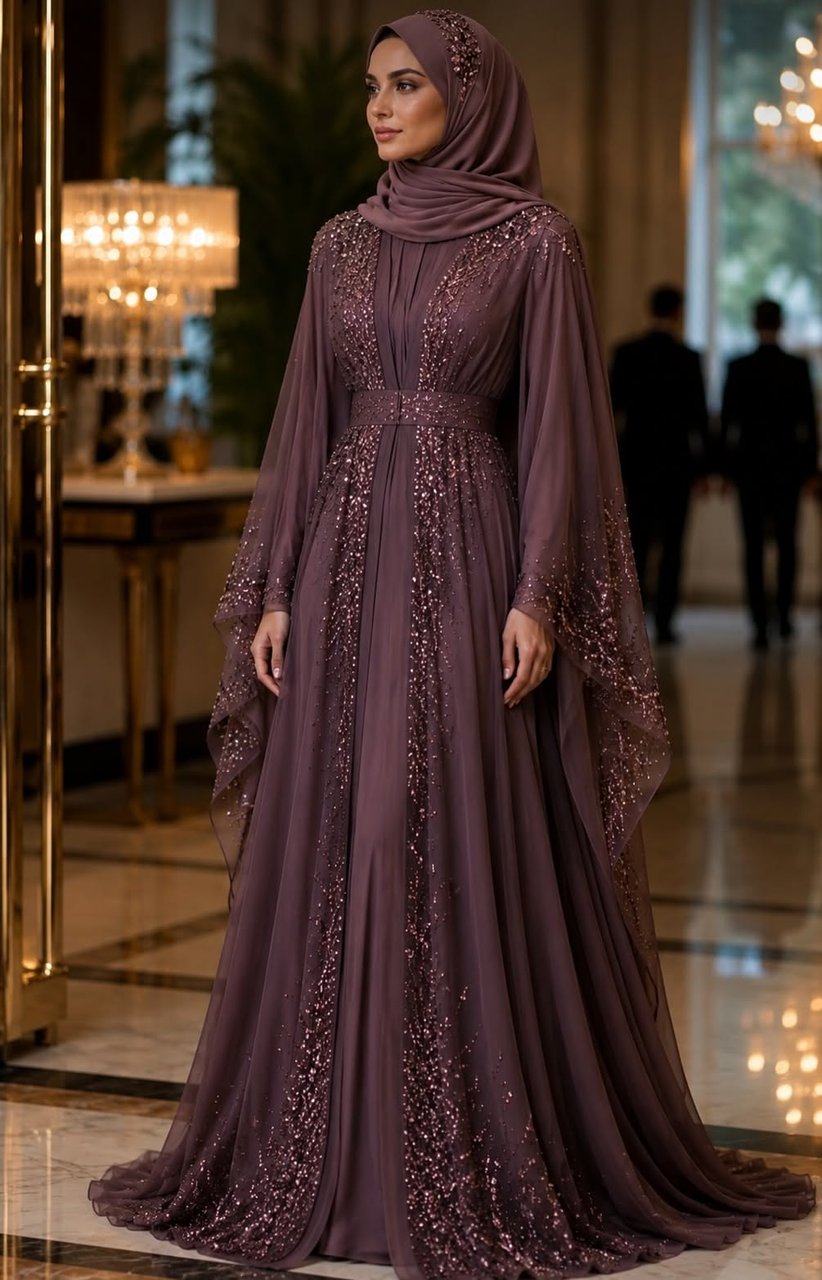
Iftar is the most social meal of the year in Dubai. Restaurants across the city run special Ramadan menus, from pocket-friendly buffets to lavish hotel spreads, and the dress code tracks the venue: a tent iftar at a five-star hotel calls for something closer to evening wear, while a friend’s home gathering is easier-going but still polished.
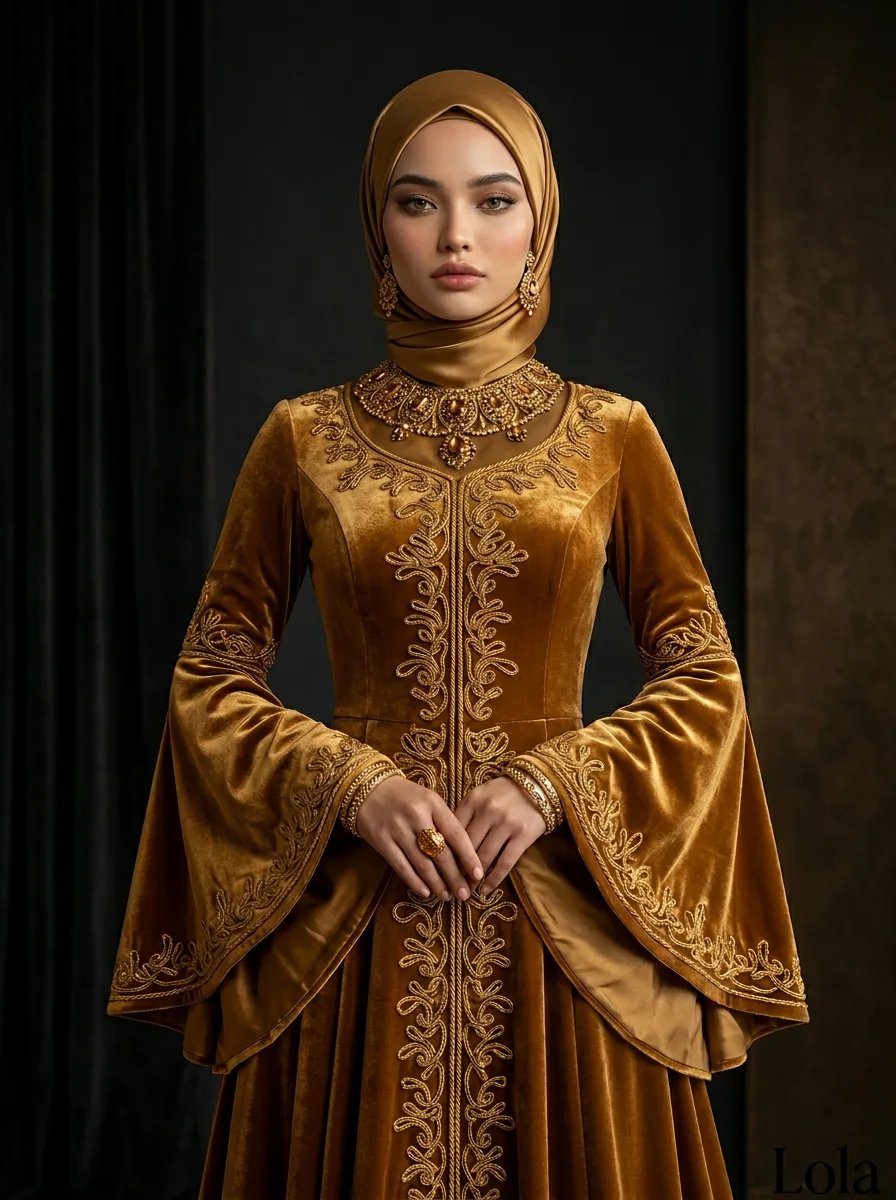
The kaftan is the default answer. A well-cut kaftan with embroidery at the neckline and cuffs reads festive without trying, and it suits every body type because it drapes rather than clings. Jewel tones — deep emerald, wine, royal blue — dominate evening choices, though black with gold or silver thread work is the safe classic. Pair with a silk hijab in a complementary shade rather than an exact match; contrast looks more deliberate.
If kaftans aren’t your style, a long-sleeved maxi dress in a flowing fabric works just as well for iftar, especially one with modest detailing like a higher neckline or smocked sleeves. Add a structured clutch and heeled sandals, and keep a light shawl or wrap in your bag — restaurant air-conditioning in Dubai is no joke. If you’re hunting for places to eat after you’ve dressed up, the budget restaurants roundup has options that keep the evening affordable without skimping on atmosphere.
The Open Abaya: Ramadan’s Most Versatile Piece
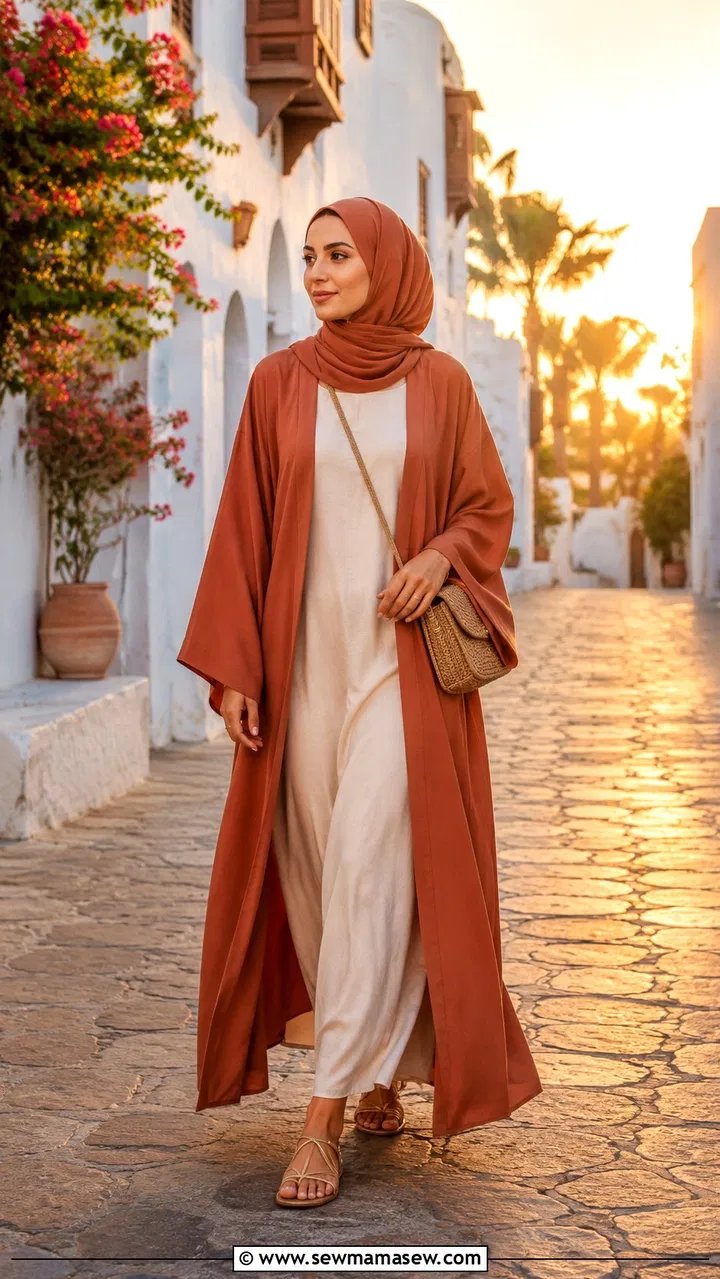
One silhouette has quietly taken over Ramadan dressing in the UAE: the open-front abaya. Worn like a long coat or kimono over whatever’s underneath, it’s the piece that bridges casual and dressed-up. A belted open abaya over a plain dress or even jeans instantly looks considered — it’s the layering trick that turns a simple outfit into an iftar outfit.
Shirt abayas are another modern staple that works well for the month. They borrow the collar, cuffs, and buttons of a classic shirt but cut in a longer, looser line, which makes them suitable for office hours that run into suhoor plans, and for the family gatherings that follow. The appeal is practical: one piece, worn open or closed, that adapts to the occasion (Couturelabs’ Ramadan styling notes describe the same belted open-abaya layering trend).
When buying, check the weight. Cheap open abayas in stiff polyester crease badly and cling in humidity; a mid-weight crepe or Japanese-style kimono cut in cotton-silk falls better and looks more expensive than it is. Embroidery should sit flat with no loose threads, and the inside seams should be finished — small signs that separate a piece you’ll wear all month from one you’ll wear once.
Mall Evenings: Modest Outfits for Late Nights
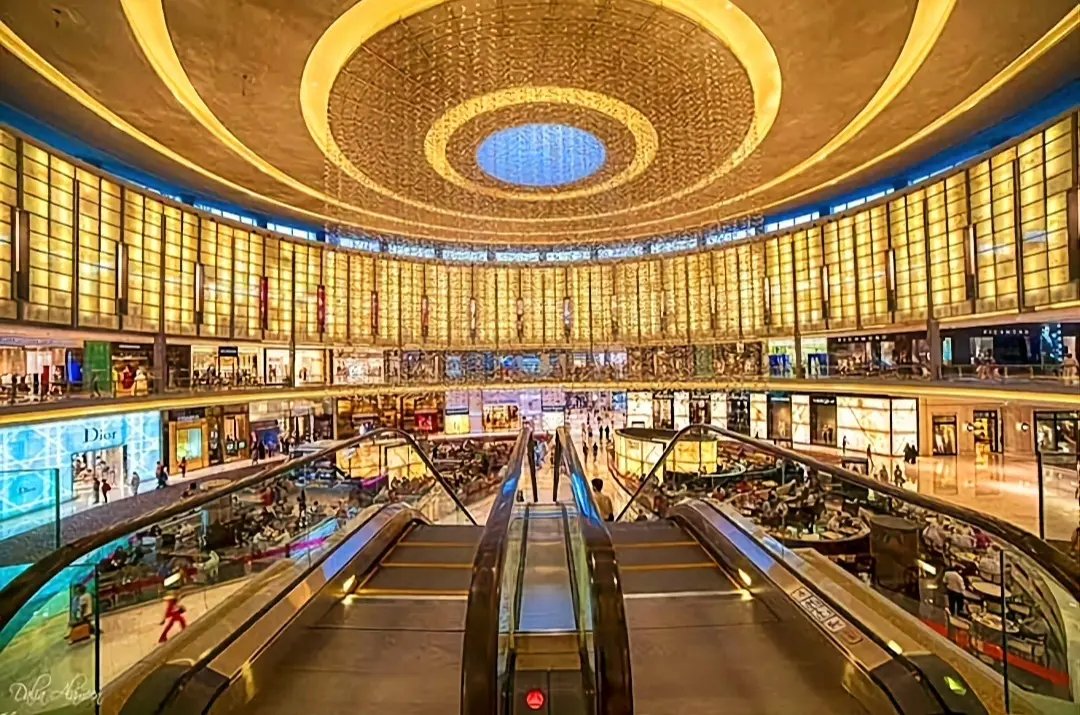
Malls in Dubai keep longer hours during Ramadan — some stay open until 1am — and the post-iftar mall run becomes an evening outing in itself. The outfit here needs to handle a lot: walking, café stops, maybe a cinema, all in air-conditioned cold one minute and humid parking lots the next.
Wide-leg trousers with a long tunic or an oversized shirt is the workhorse combination: modest, comfortable, and easy to sit in for hours. Culottes with a shirt abaya over the top add polish for nicer malls like The Dubai Mall, where evenings stretch late with fountains, dining, and window-shopping after iftar. Swap flat sandals for the walking you’ll actually do — Ramadan evenings involve more steps than you plan.
A maxi skirt with a tucked-in blouse and a belt does the same job with a softer feel, and jersey hijabs are the practical choice for long evenings since they stay put without constant adjustment. One tip from regulars: carry a pashmina. Mall temperatures drop hard after 10pm, and it doubles as extra coverage if an evening turns into an unplanned visit to a more formal venue.
Taraweeh-Friendly Outfits and Where to Shop for the Season
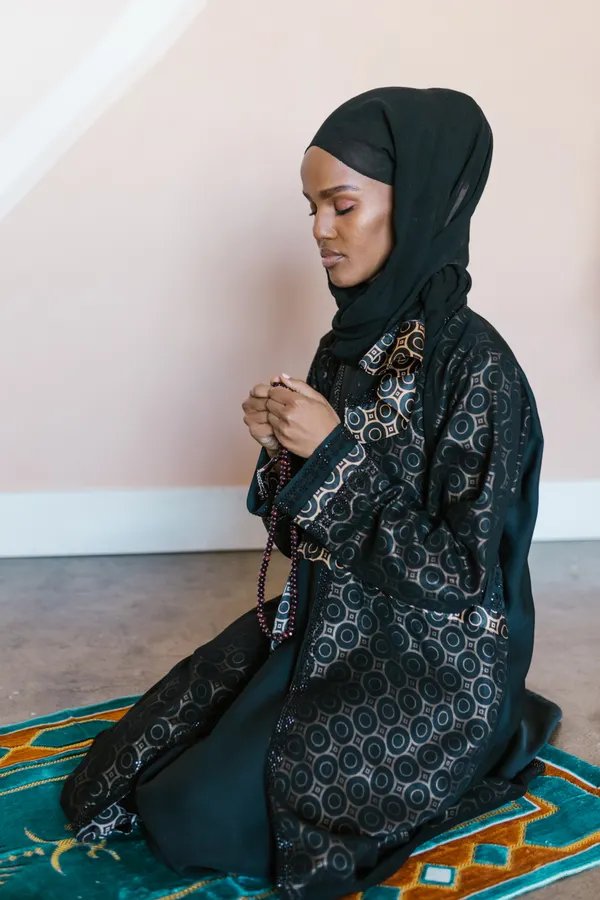
Taraweeh — the extra night prayers of Ramadan — sets its own brief: full coverage, zero fuss, and comfort for standing, bowing, and sitting over an hour or more. Two-piece prayer sets in soft cotton or jersey are made for this, with a long khimar-style top and a matching skirt or wide trousers. They read modest without looking like sleepwear, which matters when prayers are followed by tea with family.
Footwear should be slip-on and easy: you’ll be taking shoes off at the mosque entrance. Choose a hijab with a good grip or an undercap so it stays through the prayer, and avoid heavy embellishments or noisy bangles — quiet, simple pieces are the respectful choice in a prayer hall. Keep a dedicated prayer outfit clean and separate if you can; it stays fresher across the month.
As for where to buy the season’s pieces: the big malls — The Dubai Mall, Mall of the Emirates — stock Ramadan collections from local and international brands in the weeks before the month. For something more distinctive, the Ramadan pop-up markets are worth the trip; Visit Dubai lists events like the Ramadan District at Jumeirah Emirates Towers, where homegrown designers sell apparel and accessories late into the night. Traditional souks in Deira remain the best bet for embroidered abayas at negotiable prices, and if you’re mapping out the malls properly, the Dubai shopping guide lays out where everything sits. Shoppers watching their spend can plan the trip alongside the budget itinerary to keep the whole month affordable.
FAQs
What should a non-Muslim woman wear during Ramadan in Dubai?
The same modesty guidelines apply to everyone: cover shoulders and knees, and choose looser fits, especially in public spaces and malls. You don’t need an abaya, but a maxi dress or trousers with a longer top keeps you comfortable and respectful.
Are abayas required for iftar at restaurants?
No. Restaurants don’t require abayas; smart modest dress is enough. An abaya or kaftan is simply the easiest way to look dressed-up, which is why so many women choose one for iftar.
What is the difference between a kaftan and an abaya?
An abaya is typically a long, loose outer robe, often black, worn over clothes. A kaftan is a flowing, often more decorative one-piece dress with wide sleeves. Both are modest staples; kaftans lean dressier, abayas lean more versatile.
Do Dubai malls have special Ramadan hours?
Yes. Many malls extend hours during Ramadan, staying open until midnight or 1am, with restaurants serving iftar and suhoor. Visit Dubai’s official Ramadan in Dubai page lists seasonal events and late-night openings.
What should I wear to Taraweeh prayers?
Full-coverage, comfortable clothing: a two-piece prayer set or a long abaya with a secure hijab, plus slip-on shoes you’ll remove at the mosque entrance. Avoid heavy perfumes and noisy accessories.
0 Comment