

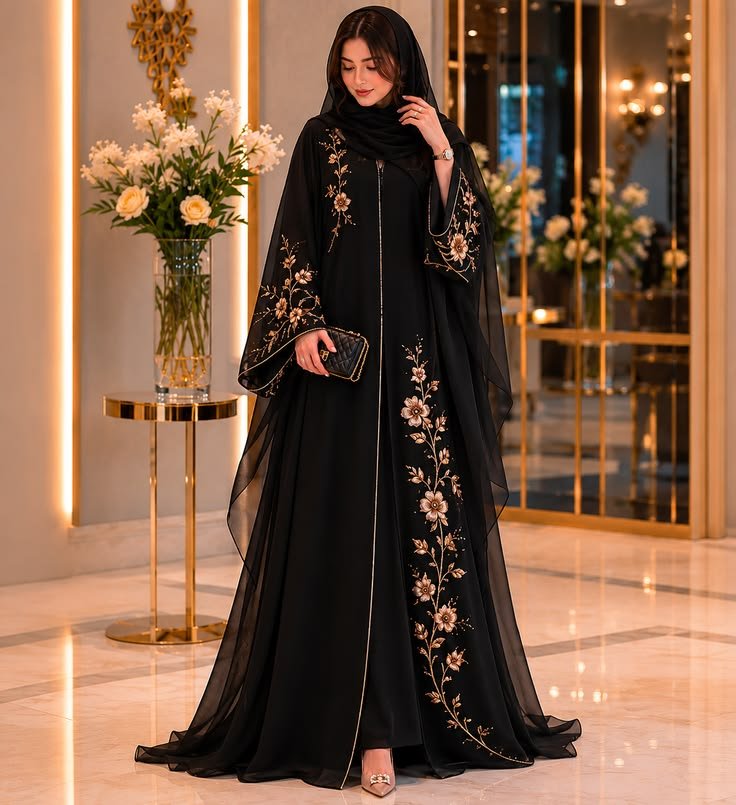

The abaya has come a long way from the plain black cloak. Walk through any Dubai mall today and you will see kimono sleeves, kaftan drapes, butterfly cuts and tailored open fronts — all modest, all recognisably abayas, yet completely different garments. If you are buying your first one (or your fifteenth), it helps to know what each cut actually is, what it is made from, and which occasions and body types each style suits best.
This guide breaks down the main abaya styles you will encounter in Dubai’s shops, the fabrics to look for, and how to pick the right one for the occasion.
The Classic Closed Abaya
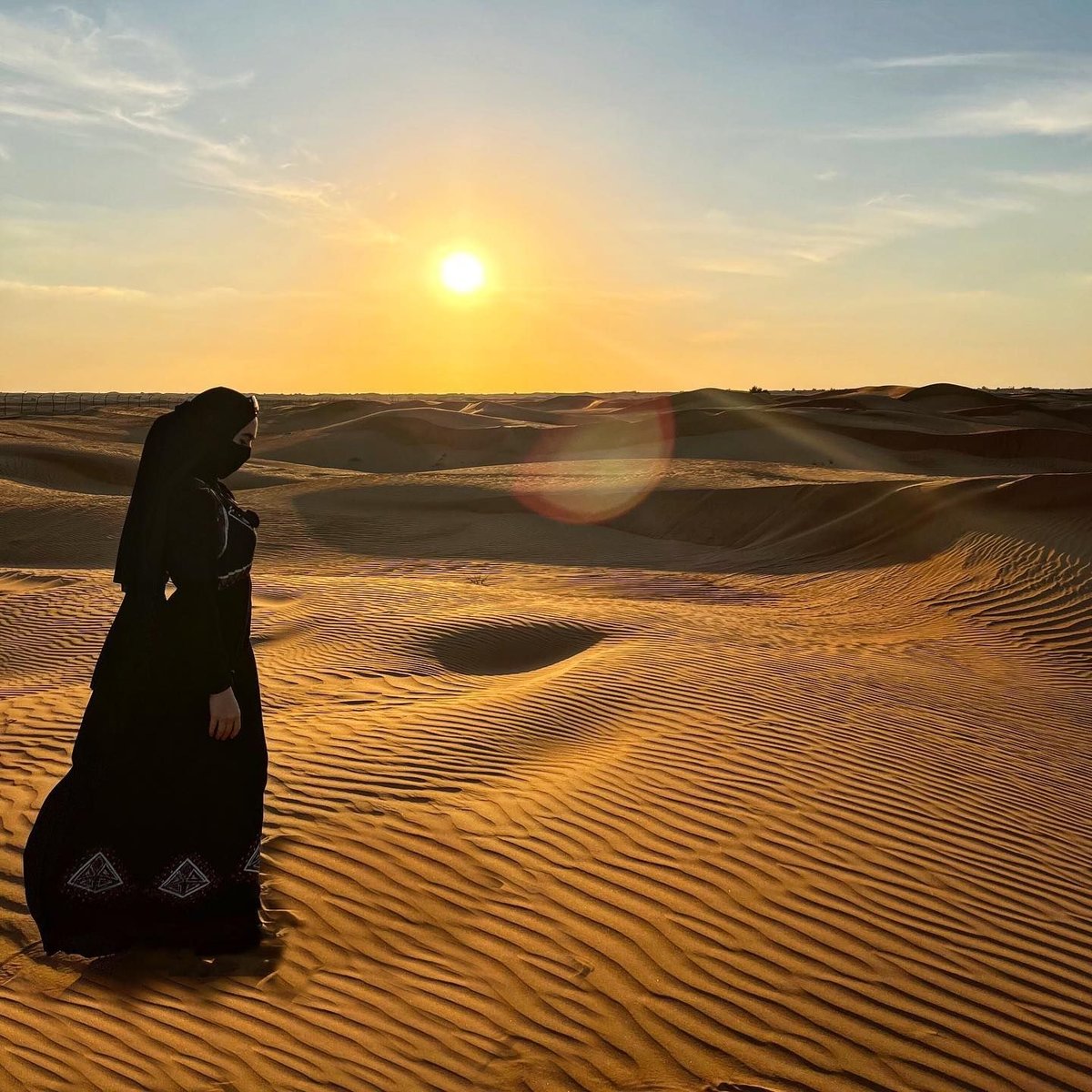
The closed abaya is the original: a single garment, closed from neck to ankle, that you slip over your head or step into. There is no front opening to manage, no belt required and nothing to coordinate underneath beyond the basics. It remains the most common choice for daily wear, work commutes and religious occasions, where maximum coverage and simplicity matter most.
Modern closed abayas are far from boring. Designers add pleats, tonal embroidery, contrast piping and tailored shoulders while keeping the closed front intact. Some fasten with hidden snaps or a short neck zip for easier wear. If you are visiting mosques during your trip — Jumeirah Mosque is a highlight of many visitors’ first days, including our 3-day Dubai itinerary — a closed abaya in breathable fabric is the easiest respectful option.
On fit: closed abayas should skim rather than cling. If you are between sizes, size up; a closed cut in a fabric with no stretch will feel restrictive across the hips when you sit if it is too snug.
The Open Abaya: Kimono and Cardigan Cuts
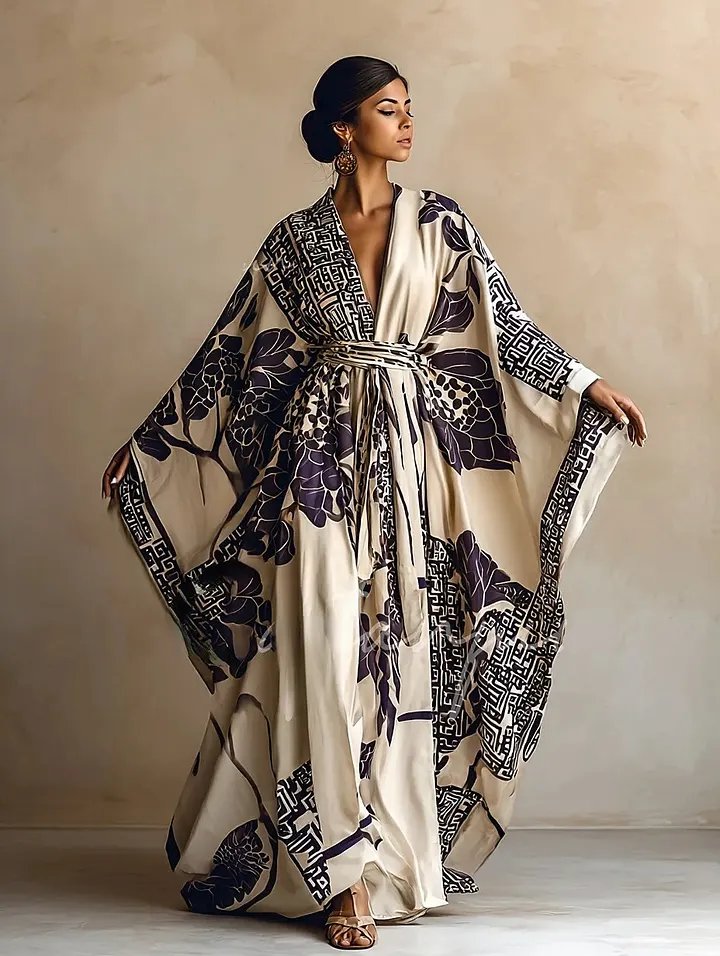
The open abaya is the style that changed everything. Worn like a long cardigan or kimono over an inner dress or co-ord set, it has an open front — sometimes with buttons or ties, sometimes left to drape. It is the favourite of younger shoppers and working women because one piece can look completely different depending on what is worn underneath.
The kimono cut specifically borrows wide, straight sleeves from Japanese dress, giving a relaxed, structured drape through the arms. Cardigan-style opens are softer and more fluid. Both are typically cut looser than closed abayas, which makes them comfortable in Dubai’s heat and easy to layer. Belts are optional: worn loose for a flowing look, or cinched at the waist for shape.
Open abayas are also the easiest entry point for non-Muslim visitors who want to try modest dressing — the layering feels familiar if you already wear long coats or cardigans. Affordable open styles are everywhere in Deira’s souks, which is one reason the area features in our Dubai on a budget itinerary. Just note that an open front means your inner outfit does the modesty work, so plan the full look.
The Kaftan Abaya
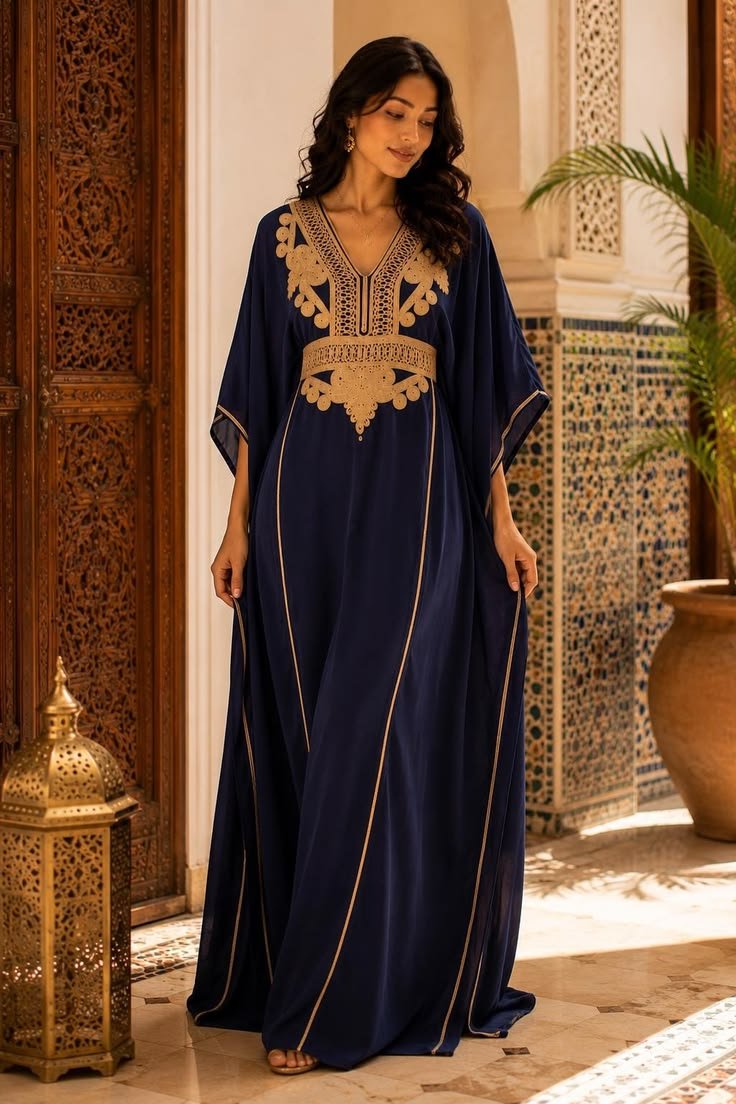
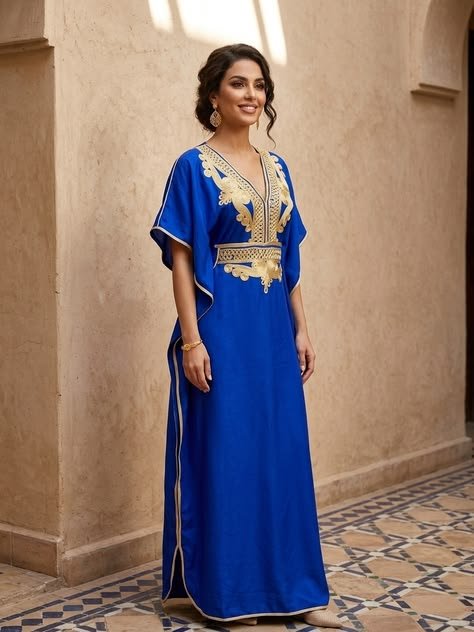
The kaftan abaya takes its silhouette from the North African and Middle Eastern kaftan: a wide, flowing gown, usually with a defined neckline, embroidered yoke and sleeves that fall from a dropped shoulder. It is the most occasion-ready of the everyday cuts — the one women reach for at weddings, Eid gatherings and formal dinners.
What sets the kaftan apart is the decoration. Expect heavy embroidery around the neckline and chest, metallic threadwork, and sometimes stone or bead detailing down the front. Kaftans are cut from light, flowing fabrics — crepe, georgette, nida and chiffon are the standards — so they move beautifully but need a slip or inner dress underneath lighter weaves.
Because of the embroidery, kaftans run pricier than plain cuts: expect to pay more for hand-finished pieces, and inspect the back of the embroidery for loose threads before buying. If you are in Dubai for a longer stay and have an event to attend, a kaftan is worth the investment — see our 5-day Dubai itinerary for how a formal evening fits into a longer trip.
Butterfly, Bisht and Batwing Cuts
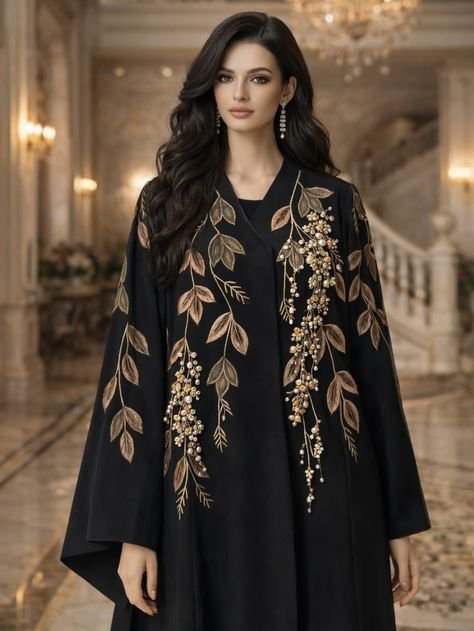
These three cuts are all about volume through the arms and body. The butterfly (also called farasha) abaya is cut so wide that the fabric spreads like wings when you lift your arms — airy, dramatic and very forgiving. It does not cling anywhere, which makes it a favourite for hot weather and for anyone who prefers maximum ease of movement.
The bisht cut borrows from the traditional men’s cloak: a lower armhole and straight, generous drape that reads formal and regal. It is the cut you will see at high-end occasions, often in heavier crepe with gold trim along the front edges. The batwing sits between the two — wide sleeves that taper back to a fitted wrist, giving drama without the full tent effect of the butterfly.
On body type: these voluminous cuts suit taller frames beautifully, but petite women should look for scaled-down versions — too much fabric can overwhelm a smaller frame. If you love the look but not the volume, the batwing is the compromise: the tapered cuff keeps the silhouette controlled.
Fabrics, Fit and Which Style for Which Occasion
Fabric decides how an abaya looks, feels and lasts. Nida — a smooth, high-quality polyester — is the workhorse of everyday abayas: opaque, lightweight and affordable. Crepe has a matte finish and holds structure well, making it the default for tailored and occasion pieces. Georgette and chiffon are sheerer and flowier, usually layered or lined. For summer, prioritise breathability and opacity in balance: a weave that lets air through but does not go transparent in sunlight.
Matching style to occasion is straightforward once you know the cuts. Daily wear and office: closed abaya or a simple open style in nida or crepe. Social events and dinners: open kimono cuts or batwing styles with some detailing. Weddings and Eid: kaftan or bisht cuts with embroidery. Travel: an open abaya doubles as a light layer on cold flights and over resort wear.
For body type, a few rules of thumb help: straight, unstructured cuts (butterfly, kaftan) skim curves without clinging; belted open abayas define the waist; vertical embroidery or piping elongates petite frames; and heavier fabrics like crepe hold their shape better on all figures than flimsy polyester. If you are staying near the old city’s fabric markets — Deira and Bur Dubai are covered in our guide to the best areas to stay in Dubai for first-timers — you can feel fabrics in person before committing, which beats guessing from photos.
FAQs
What is the difference between an open and a closed abaya?
A closed abaya is a single closed garment worn over the head with no front opening. An open abaya has an open front — like a kimono or cardigan — and is layered over an inner dress or outfit, offering more styling flexibility.
Which abaya style is best for hot weather?
Butterfly and open kimono cuts in breathable nida or crepe. The loose fit allows air circulation, and lighter colours absorb less heat than black.
What is a bisht abaya?
A bisht-style abaya borrows its cut from the traditional Arab cloak: a wide, straight drape with a low armhole, often finished with gold trim. It reads formal and is popular for weddings and high-end occasions.
What fabric is best for everyday abayas?
Nida for affordability and opacity, or crepe for a more structured, premium feel. Both are durable, easy to wash and hold up to daily wear in Dubai’s climate.
Do I need to wear a hijab with an abaya in Dubai?
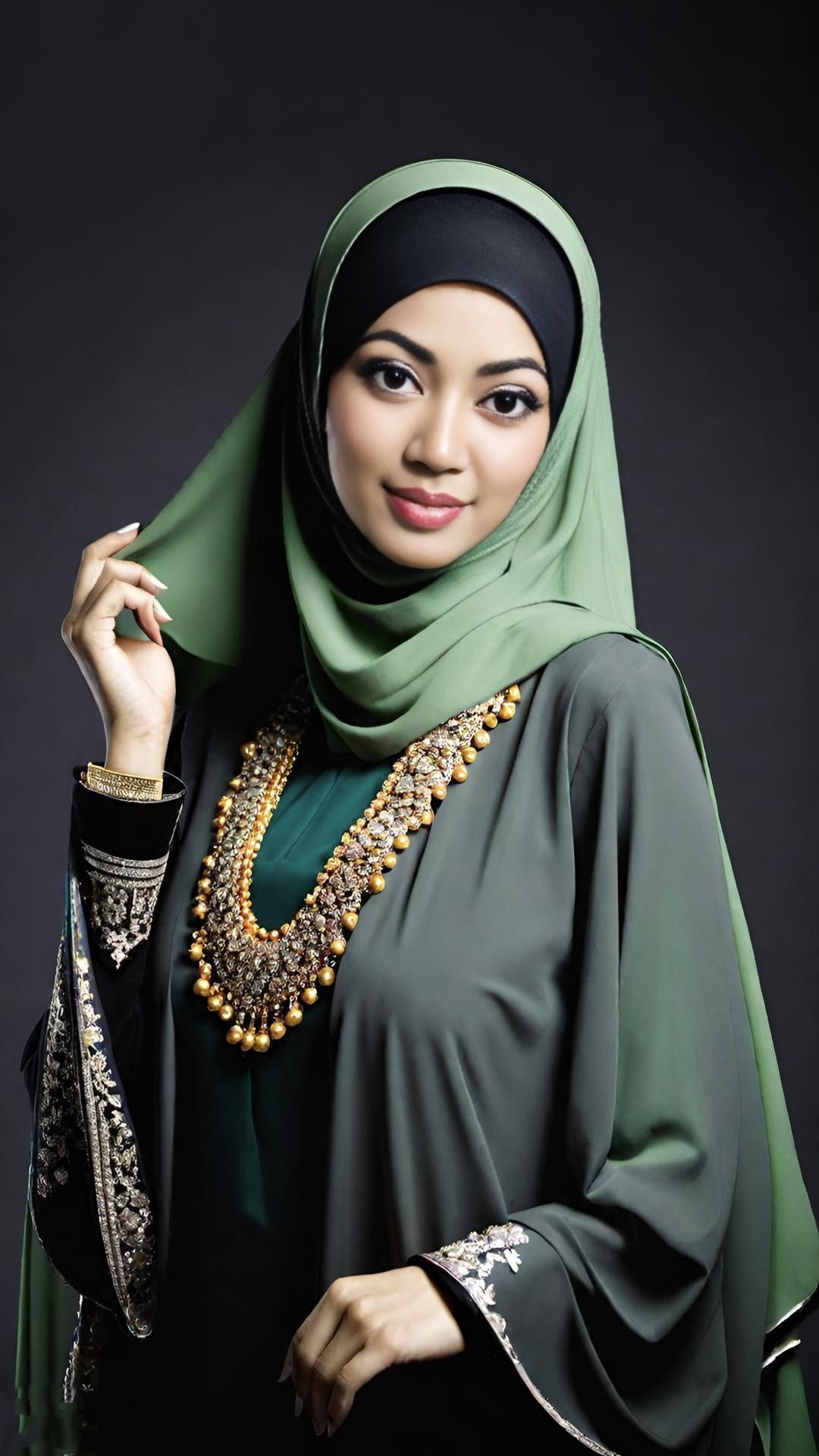
No. Non-Muslim visitors are not required to cover their hair. Many women wear the abaya with hair uncovered or pair it with a loose shayla scarf for style. A closed abaya with an uncovered head is completely normal in malls and public places.
To see how these styles are described by modest-fashion writers, Vocal Media’s abaya style journal and this illustrated breakdown of abaya types are both worth a read, and AMO Fashion’s Dubai buying guide covers fabrics in more depth.
0 Comment