

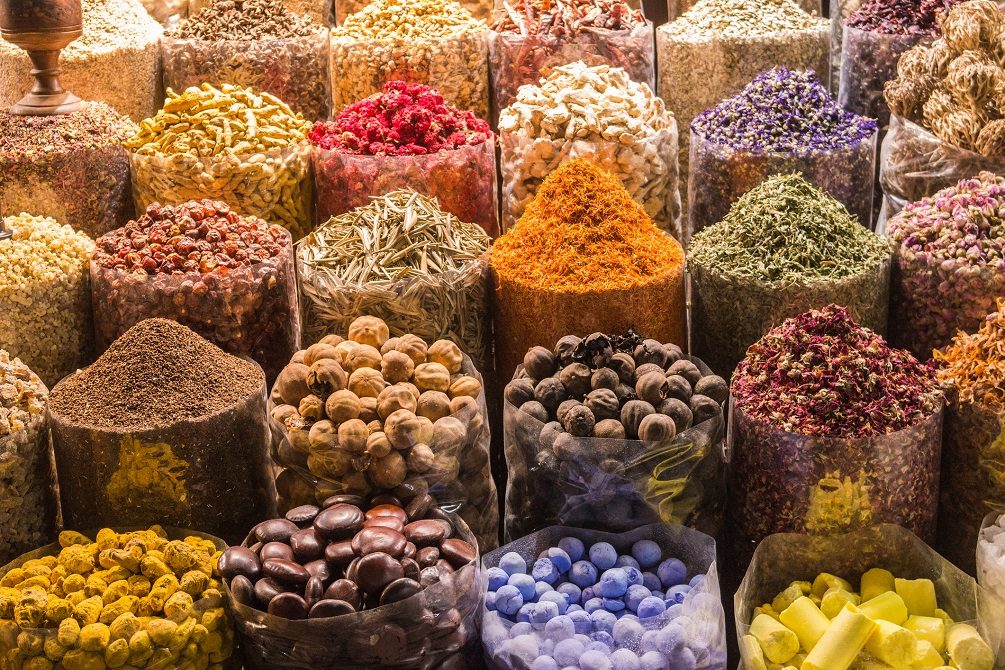

Dubai souvenirs have two price worlds. In one, you buy a gold-plated Burj Khalifa model at the airport for the price of a nice dinner. In the other — the one this guide is about — you buy better gifts for a fraction of that in the souks, supermarkets and neighbourhood shops where residents actually shop. The trick is knowing which souvenirs are genuinely good value in Dubai, and where the locals’ version of each shop is.
Everything below is chosen for three qualities: it is distinctly of this place, it travels well in a suitcase, and it can be found cheaply if you know where to look. Pair this with our broader Dubai shopping guide for malls and big purchases, and our cheap eats guide if your whole trip runs on this philosophy.
Dates: The Best Cheap Souvenir in Dubai
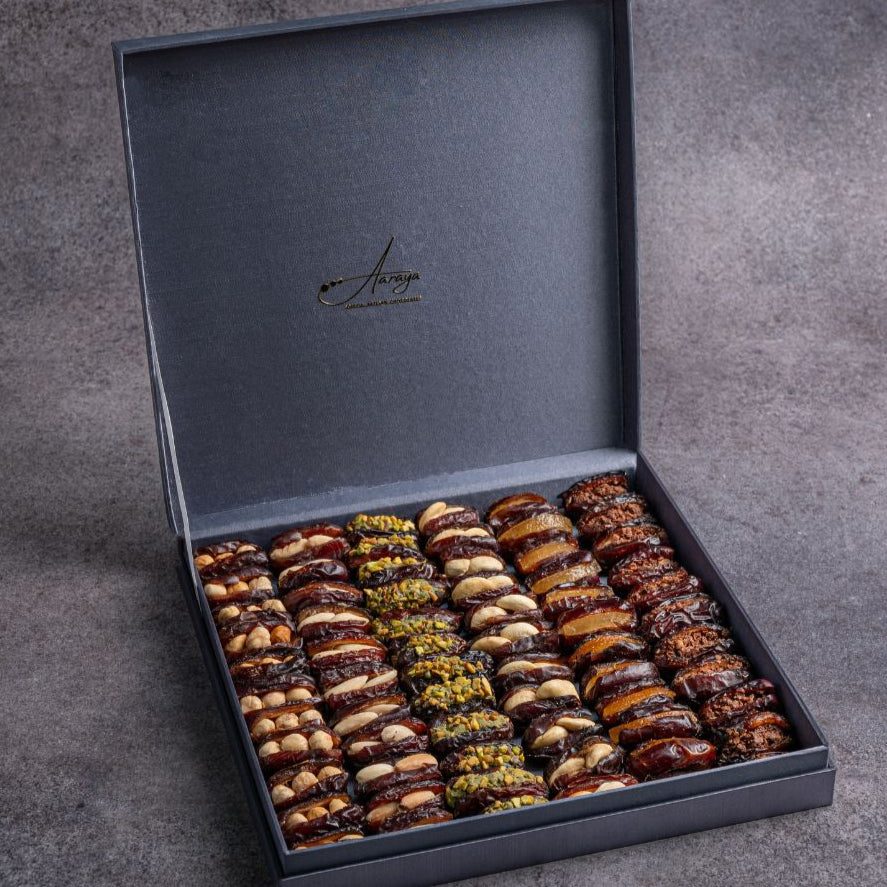
If you buy one souvenir, make it dates. The UAE grows excellent varieties, and the gift version — plump dates stuffed with candied orange peel, nuts or ginger, sold in neat boxes — reads as a luxury present while costing very little where residents buy them. Premium brands sell beautiful boxes in the malls, but supermarkets and date shops in Deira and Karama stock comparable quality for notably less, and loose dates by weight from market stalls are cheaper still.
Buy the softest, freshest stock you can find, check the packed-on date, and keep boxes in your hand luggage if you can — checked baggage heat on the tarmac does dates no favours. Plain varieties travel best for your own kitchen; the stuffed, chocolate-coated ones are the crowd-pleasing gift. A box per person covers most gift lists without denting the budget.
Spices, Tea and Camel-Milk Chocolate
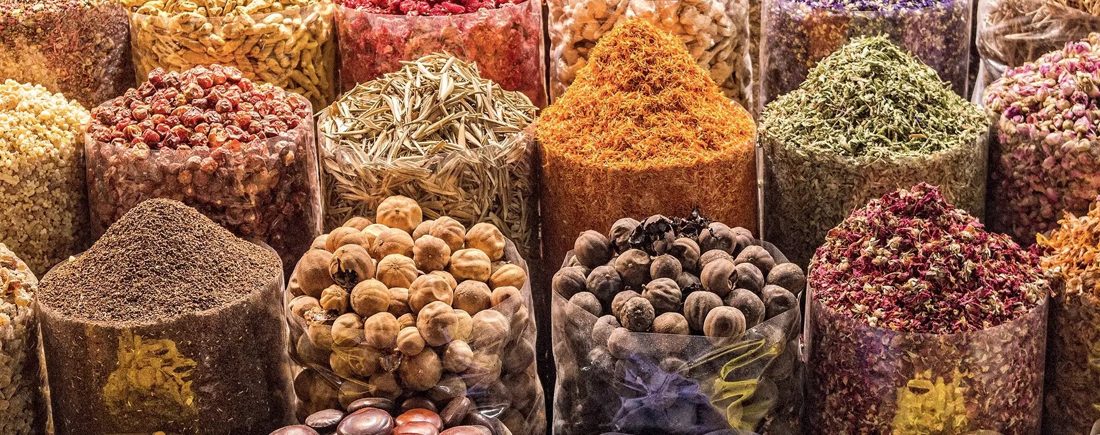
Deira’s Spice Souk is the classic budget souvenir stop: sacks of saffron, frankincense, dried lemons, spice mixes and rosebuds, sold by weight and infinitely giftable in small amounts. Two rules protect your wallet. First, haggling is expected — start well below the first price and stay cheerful. Second, agree the total price before the bag is filled and weighed, especially for saffron, where quality and price per gram vary enormously and a too-cheap price usually means a mixed or stale product.
In supermarkets, add two more easy wins: karak chai mixes and Arabic coffee, and camel-milk chocolate, the Dubai souvenir that surprises people most. The chocolate is sold in malls at gift prices and in larger supermarkets at noticeably lower ones for the identical bars. All three — spices, tea, chocolate — are light, flat-pack friendly and legal to carry almost everywhere.
Oud, Attar and Small Perfume Oils
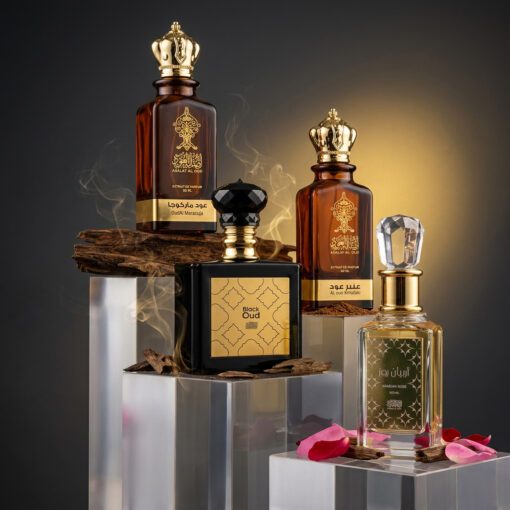
The smell of Dubai is oud and bukhoor, and small bottles of attar — concentrated perfume oil — are the budget way to take it home. Deira’s perfume souk and the shops around it sell oils by the tola and in small roll-on bottles, alongside bukhoor wood chips and electric and charcoal burners at every price. A tiny bottle costs little, weighs nothing, lasts for months and is unmistakably of this region.
Test oils on skin, not paper, and let them settle for fifteen minutes before deciding — attars change as they warm. For bukhoor, ask the shop to burn a chip so you can smell the actual product rather than the packet. Wrap bottles well for the flight home and pack them in a sealed bag inside your checked luggage to protect everything else if one leaks.
Gold Souk Windows, Realistic Budgets
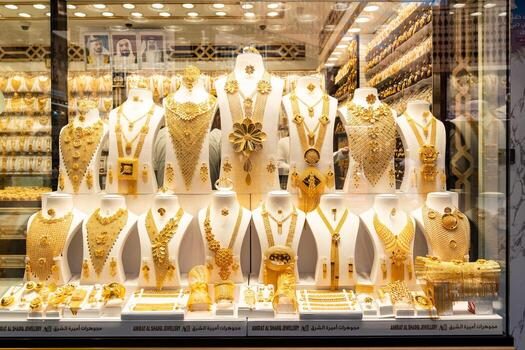
The Gold Souk belongs on every itinerary even if you buy nothing — the window displays are a sight in themselves. If you do buy, understand the pricing: gold jewellery here is priced from the day’s official gold rate by weight, plus a making charge, and gold prices are regulated and displayed, which makes Dubai one of the more transparent places in the world to buy gold. Small items — a thin chain, small earrings, a pendant — are the realistic budget souvenirs.
The making charge is the negotiable part, and comparing the same item across three shops in one row takes ten minutes and routinely saves real money. Every purchase from a proper souk shop comes with a receipt stating weight and purity; keep it. Travellers mainly window-shopping can combine the souk with the free sights nearby — see our free things to do in Dubai — and cross the Creek by abra for the cheapest scenic ride in the city.
Where Locals Buy: Karama, Satwa and Supermarkets
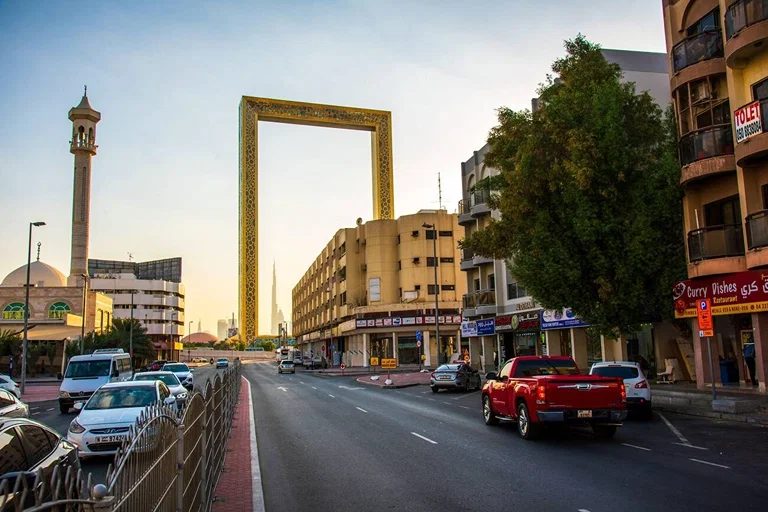
For textiles, pashminas, Arabic sandals, lanterns, cushion covers and the famous ‘I love Dubai’ everything, the local shopping districts beat the malls and the airport by a wide margin. Karama is the best-known: rows of small shops selling shawls, carved boxes, brass coffee pots (dallahs) and souvenir clothing, with bargaining expected and tailors who can adjust purchases the same day. Satwa, along Al Satwa Road, is the fabric and tailoring district — buy cloth and have a shirt or dress made for less than a mall souvenir hoodie.
Finally, do not skip the big supermarkets. Carrefour, Lulu and Union Coop stock souvenir shelves — dates, chocolates, spice sets, Dubai-branded gifts — at resident prices, often a third of the airport equivalent. The smart routine is to browse the whole trip, buy edible gifts in one supermarket run near the end, and save the souks for the one or two special pieces you will keep.
Frequently Asked Questions
How much should I budget for souvenirs in Dubai?
A thoughtful gift set — a box of stuffed dates, camel-milk chocolate and a small attar oil — can be assembled for roughly the cost of one airport souvenir if you buy in supermarkets and souks. Set a total, because souk browsing expands to fill any budget.
Is haggling acceptable in Dubai?
In souks and small independent shops, yes — it is expected and done in good humour. In malls, supermarkets and chain stores, prices are fixed.
Can I take dates and spices home in my luggage?
In most countries, commercially packed dried dates and spices are fine in checked or cabin baggage, but rules differ by destination — check your home country’s food import rules, and declare food items where the arrival form asks.
Is gold really cheaper in Dubai?
Gold is priced by weight against the daily rate, with no VAT charged to tourists on eligible purchases under the refund scheme conditions, and making charges are competitive. Compare the making charge between shops — that is where the saving is.
What souvenir should I avoid?
Anything involving ivory, certain animal products or unlabelled ‘antique’ items can breach wildlife and customs rules at home. Stick to food, textiles, perfume and metalwork from proper shops with receipts.
0 Comment