


AI now grades your driving test
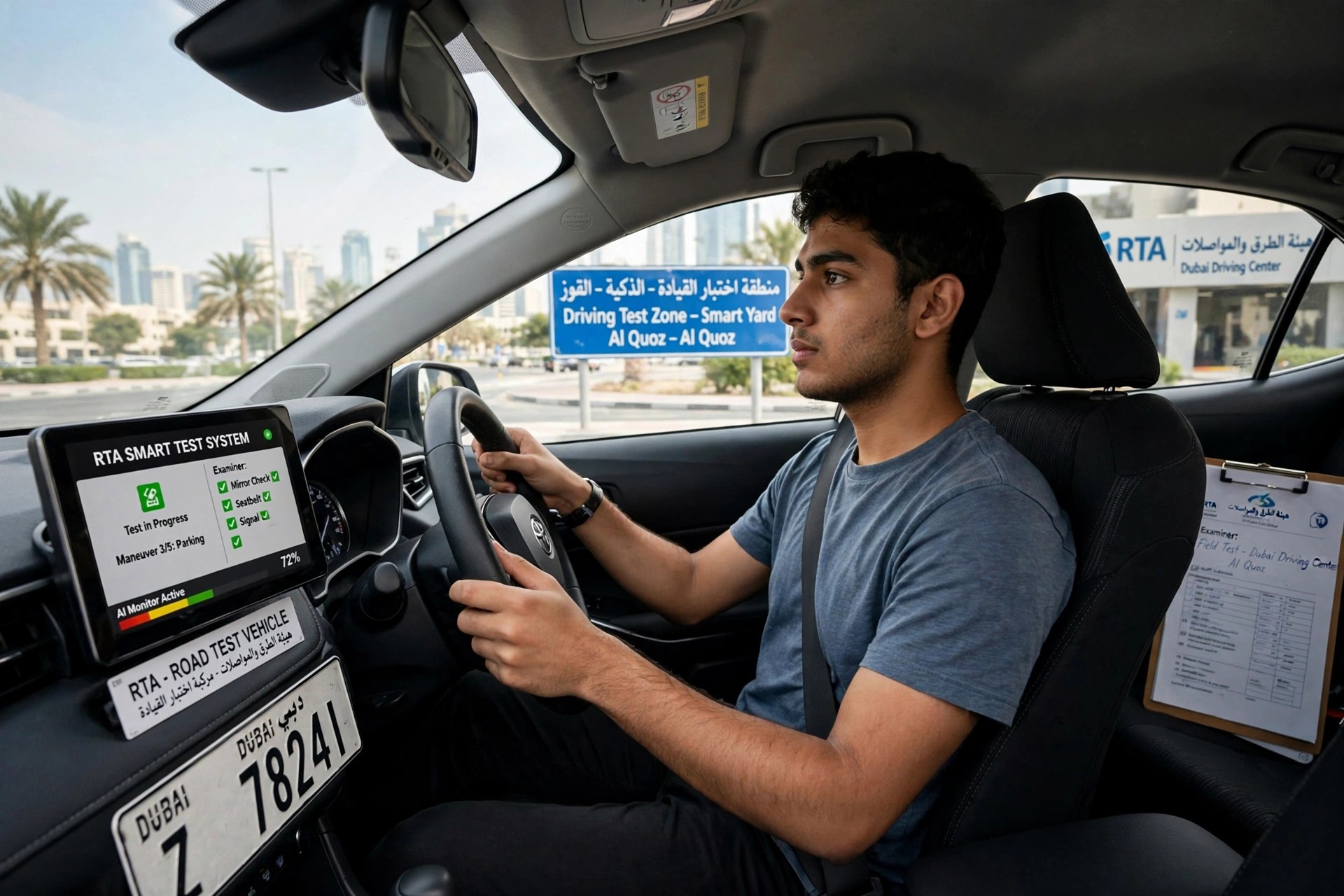
Dubai’s Roads and Transport Authority (RTA) has introduced the next generation of its Smart Test System (STS) for light-vehicle yard tests, using artificial intelligence, computer vision and data analytics to make driving assessments more accurate and consistent. The announcement was made via the Emirates News Agency (WAM) on September 29.
The system is designed to evaluate learner drivers against consistent, precise standards — reducing the variation that comes with human judgement — and to strengthen confidence in test results, according to the RTA.
How the new system works
AI technology integrated into the test vehicles monitors the learner’s performance, analyses manoeuvres in real time and assesses each component against standardised criteria, with results calculated without human intervention.
Facial recognition and safety monitoring
The system verifies the learner’s identity using facial recognition, and monitors safety requirements throughout the test — including mirror and blind-spot checks and hand positioning on the steering wheel.
Precision tracking to two centimetres
Vehicle tracking uses Real-Time Kinematic (RTK) positioning technology with accuracy of up to two centimetres, helping detect errors in vehicle paths, parking positions and other manoeuvres.
An interactive 3D map of your mistakes
Recorded errors are presented in a clear visual format. An interactive 3D map lets the learner review the route taken during the test and see exactly where major and minor errors occurred — useful feedback whether you pass or not.
Safety built in
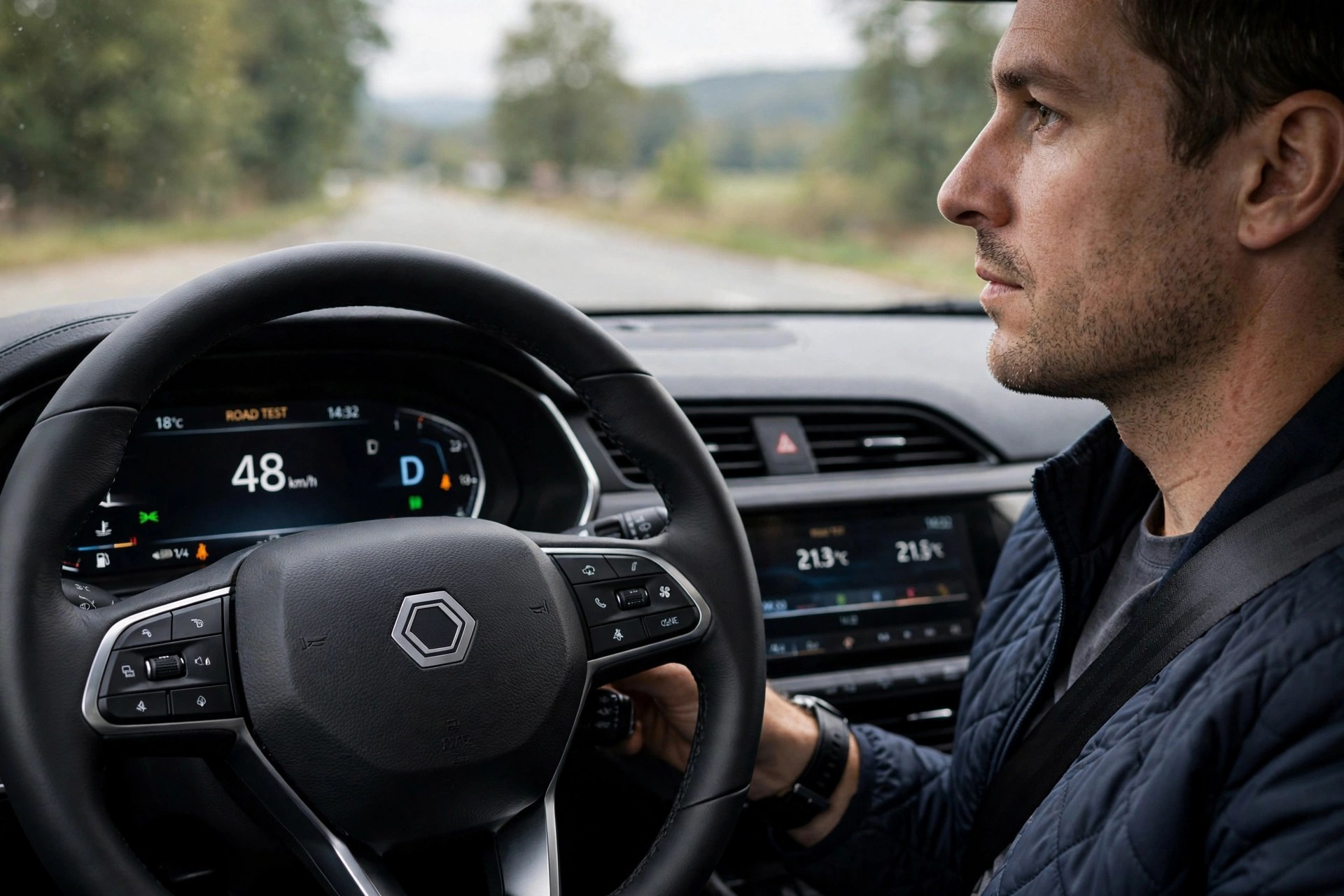
The system also includes AI-powered collision avoidance and preventive automatic emergency braking, which can intervene if a potential collision or safety risk is detected — creating a more controlled testing environment for everyone involved.
It is designed to operate consistently under different weather and lighting conditions, day and night.
Sultan Al Akraf, Director of Drivers Licensing at the RTA’s Licensing Agency, said the next-generation STS is an important step in the RTA’s smart transformation of driver licensing services, and that the technologies focus on preventing risks before they develop into accidents.
What it means for learners
Test results will be integrated with training systems, helping identify each learner’s weak points so instructors can tailor training programmes more precisely. The RTA says this should improve the fairness, efficiency and transparency of driver testing overall.
If you are an expat or visitor thinking about getting behind the wheel in the UAE, read our guide to getting a Dubai driving licence as an international visitor and our full Dubai driving licence guide for 2026. And if you would rather leave the driving to someone else, our UAE public transport guide covers the Metro, buses and the new Etihad Rail services.
FAQs
What is the RTA’s new Smart Test System?
It is the next generation of the RTA’s driving test assessment system for light-vehicle yard tests, using AI, computer vision and data analytics to evaluate learner drivers objectively.
How accurate is the new system?
It uses Real-Time Kinematic positioning accurate to two centimetres, and assesses manoeuvres against standardised criteria without human intervention in calculating results.
Does the system replace the examiner?
The AI calculates results independently, but the overall testing framework and supervision remain RTA-run. The aim is consistent, objective evaluation.
Will I see my test mistakes?
Yes. Recorded errors are shown in a visual format, including an interactive 3D map of the route with major and minor errors marked.
Does the system work at night and in bad weather?
According to the RTA, it is designed to operate consistently under different weather and lighting conditions during the day and night.
Sources: Business News MEA (via WAM).
0 Comment